Are you Keeping Your Kids Cool?
Young children are more susceptible to dehydration and becoming ill in hot weather than healthy adults. Children’s bodies don’t tend to cool down as efficiently which leaves them more at risk than during a summer heatwave. Dehydration occurs when fluids leave the body through sweating faster than they are being replaced – severe dehydration can be life-threatening! Heat cramps, heat exhaustion, or heat stroke, can happen to anyone who stays in the summer heat and sun for too long, but children are more at risk.
It is important for parents to know how to prevent heat emergencies, recognize when their child has been in the heat for too long and be able to provide help when needed.
The Signs and Symptoms of Heat-Related Emergencies:
If your child experiences any of these symptoms, seek prompt medical attention. For expert pediatric care, consult ONP Hospitals, the Best Pediatric Hospital in Pimple Saudagar, offering comprehensive diagnosis, treatment, and emergency care for children.
Cramps or muscle tightening, usually in the legs and abdomen but they can be in other parts of the body Headache Nausea
Dizziness, weakness, and feeling faint Skin that is redder or paler than usual, or moist skin .Rapid shallow breathing
Unusual irritable, bizarre, or aggressive behavior
How to Help?
- Move the child to a cooler location
- Give the child cool water to drink in sips
- Have the child loosen any tight clothing
- Fan the child
- Put cool water on the child’s skin
- If the child’s condition is severe, put covered ice packs in each armpit and on the back of the child’s neck
When you’re hot you sweat more than normal, so you need to drink more to replace the water your body is losing. Drink plenty of cool fluids, even if you do not feel thirsty, but avoid caffeine and alcohol which can cause dehydration and stop your body from controlling its temperature properly.
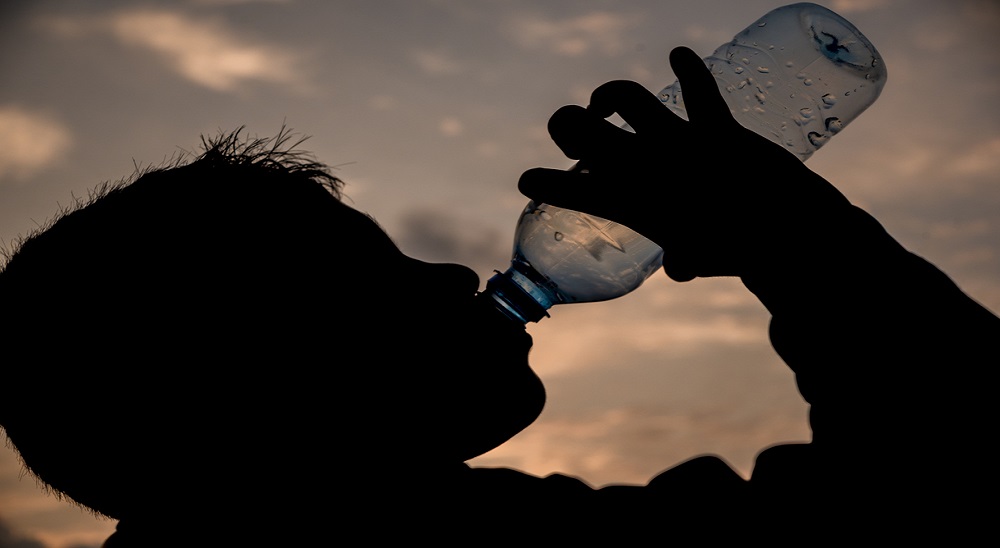
Encourage your child to have a beverage break every 20 minutes in hot weather
Preventing Heat-Related Emergencies
Be sure your child drinks plenty of cool fluids — this is the most important preventative step you can take!
Get your child into the habit of having a drink break about every 20 minutes or so in hot weather and during physical activity.
Avoid activities outside during the hottest part of the day (usually around noon).
Know the humidex rating — it combines the temperature and humidity to indicate how hot, humid weather feels to the average person.
Dress your child in light, loose clothing to let air circulate and heat escape, and always make sure they wear a hat.
Apply sunscreen (with SPF 25 or higher) as sunburned skin reduces the body’s ability to cool itself.
Slow down your child’s activities as it gets hotter and doesn’t play for too long at a time.
Take a lot of breaks in a cool or shady area to let your body cool off.
To know more, talk to our expert with 35+ years of experience Dr. Amita Phadnis, CMD, and HOD of the pediatrics and Neonatology department at Oyster and Pearl Hospitals Pune.
To book an appointment: https://www.onphospitals.com/
FAQ’s
1. How do I keep kids hydrated and safe during a heatwave?
To keep kids hydrated and safe during a heatwave, encourage them to drink water frequently, offer water-rich fruits, dress them in lightweight clothing, and limit outdoor activities during peak heat hours.
2. How much water should children drink during a heatwave?
The amount varies by age and activity level, but children should drink water regularly throughout the day, even if they do not feel thirsty. Active children may require additional fluids to replace sweat loss.
3. What are the signs of dehydration in children?
Common signs include dry mouth, thirst, reduced urination, dark-colored urine, fatigue, dizziness, headache, irritability, and lack of energy.
4. Which foods help keep kids hydrated during hot weather?
Water-rich foods such as watermelon, cucumber, oranges, strawberries, grapes, coconut water, and homemade fruit popsicles can help maintain hydration.
5. What is the best way to protect children from extreme heat?
Keep children indoors during the hottest part of the day, use fans or air conditioning, provide plenty of fluids, apply sunscreen, and ensure they wear loose-fitting, breathable clothing.
6. Can children develop heat exhaustion during a heatwave?
Yes. Prolonged exposure to high temperatures can lead to heat exhaustion, especially if children are physically active and not drinking enough fluids.
7. What are the symptoms of heat exhaustion in children?
Symptoms may include heavy sweating, muscle cramps, headache, nausea, dizziness, weakness, rapid breathing, pale or flushed skin, and unusual irritability.
8. When should I seek medical attention for heat-related illness in my child?
Seek immediate medical care if your child experiences confusion, difficulty breathing, persistent vomiting, loss of consciousness, seizures, or symptoms of severe dehydration.
9. Are sports and outdoor activities safe during a heatwave?
Outdoor activities should be limited during peak heat hours, usually between 10 a.m. and 4 p.m. If children play outside, ensure frequent hydration breaks and access to shade.
10. Can babies become dehydrated more quickly than older children?
Yes. Infants and young children are more vulnerable to dehydration and heat-related illnesses because they cannot regulate body temperature as efficiently as older children.