

Adrenal Fatigue: Prevention and Treatment

Adrenal fatigue, like other chronic diseases, necessitates a multifaceted approach to prevention and therapy. In terms of therapy, we must first determine what causes this. Intolerance of some foods? Are there nutritional deficiencies? Infection? Trauma? A weak digestive system? Apparently, narrowing down the root cause will take time. Once a source has been identified, we set out to address it. Aside from addressing the root cause, there are several strategies to strengthen your adrenal glands and alleviate the symptoms of adrenal fatigue. Manage Your Diet Food is usually the first step. A whole foods diet consists of zero processed foods, plenty of plants (vegetables, nuts/seeds, some fruit, some whole grains), lean protein, healthy fats, and plenty of water. An elimination diet is another alternative. Initially, try to eat smaller, more frequent meals to reduce blood sugar changes induced by cortisol. Lifestyle Changes The following stage focuses on changing the aspects of your life that contribute to stress. Do you seek work that is less stressful? Do you want to reduce your working hours for a while? Do you require extra assistance from your partner at home? Unfortunately, such solutions are not practical for many individuals, but it may be worthwhile to discuss your difficulties with your spouse or boss to see what improvements can be done. Stress Reduction Techniques Adopting stress-reduction practices is the next step – or, for some, the first step – especially if the concept of the abovementioned diet wears you immensely! A basic starting point could be to set aside 5 minutes each day for yourself. You can use that time to lock yourself in the bathroom and simply close your eyes and breathe. Other alternatives include using a meditation app such as headspace, a tapping app such as The Tapping Solution, journaling, praying, or going for a brief walk outside. It is vital to gradually increase the amount of time you allocate to rest and socializing. Adequate Sleep The significance of sleep in reducing and managing adrenal fatigue cannot be understated. Based on the type of adrenal fatigue, you might have difficulty staying asleep. Giving yourself a scheduled bedtime and plenty of time to sleep could be beneficial, as you may discover that your most comfortable sleep occurs after you typically wake up. Exposure to fifteen minutes of sunshine each morning (even if it’s clouded) can assist to regulate your circadian rhythms. Avoiding or limiting coffee and alcohol could also help you sleep better. Physical Exercises Exercise can be advantageous. However, excessive exercise can cause the body to become even more stressed. Initially, a brief walk in the sunshine or a mild yoga or stretching practice might be all your body can tolerate. Maintaining Social Relationships Seeking a social community is an often-overlooked aspect of treatment. Remember, this is not usually the starting point for therapy, but having a community on whom you can count can help you manage stress. Supporting others in your community could provide you with a sense of meaning and help you set your own difficulties into context. In addition to the techniques outlined above, supplements such as vitamins, botanicals, and adaptogens can be implemented to help you manage your stress response.
Signs of Vitamin D Deficiency
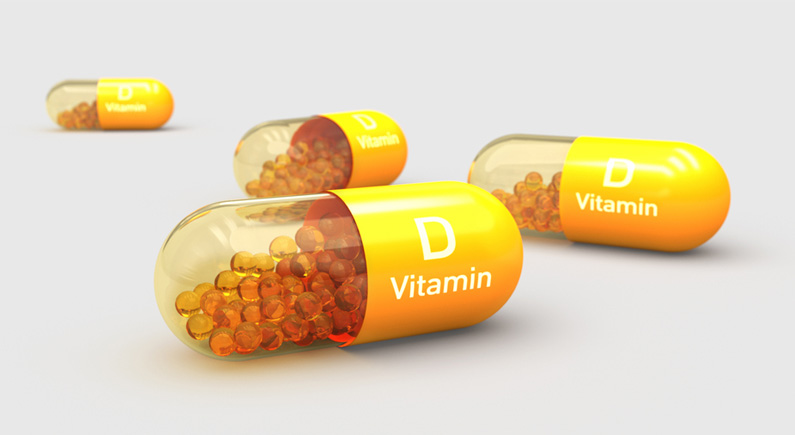
Vitamin D has long been regarded as a vital component of a healthy diet and lifestyle. It is responsible for a variety of health-related functions, including inflammation control and immune system support. It is also necessary for the maintenance of strong bones, muscles, and teeth. In fact, vitamin D is so vital to human health that every cell in our bodies contains a vitamin D receptor. The NIH (National Institute of Health) estimates that around 1 billion people globally have inadequate vitamin D levels. Vitamin D Natural Sources Enjoying some time outdoors daily is the easiest approach to absorbing vitamin D. A unique contact between cholesterol and sunlight on your skin and in your eyes absorbs around 50% to 90% of vitamin D. Merely 10 to 30 minutes of sunshine every day is plenty. That is just one of many valid reasons to get outside and exercise every day. The next best approach to receiving your daily dosage of vitamin D is to consume foods that your body can naturally absorb and digest. Higher amounts can be found in the following foods: Egg yolks Oatmeal Beef liver Fatty fish such as tuna, salmon Cheese Mushrooms Milk, orange juice, cereals, soy milk, and other fortified foods To help enhance natural levels, try integrating combos of these items into your daily snacks and meals. Signs of Vitamin D Deficiency The best way to test for deficiency is to consult your primary care physician or OB/GYN. She/he will tell you if a supplement is right for you based on your diagnosis and/or symptoms. Adult women’s normal values are around 20-49 ng/ml. The following 5 signs are most likely to indicate deficiency: Being Susceptible to Disease and Infection – You might have a weak immune system if you are easily troubled with a cold or flu, or if your scratches or cuts appear to be quickly infected. The same would be true if you heal slowly. Fatigue, Exhaustion, and Stress – Fatigue or depression might also be symptoms of insufficiency. This is especially true for women, who are more likely to experience exhaustion and fatigue when their levels reach 20 ng/ml. Many women with low-normal levels have experienced energy and mood benefits with supplementation. Back and Bone Pain – Several studies have found a connection between chronic bone and back pain (especially lower back pain) and low vitamin D levels. In one research of 9,000 women, those without vitamin D were considerably more likely to have lower back discomfort or back/bone pain that prevented them from engaging in typical everyday activities. Hair Loss – Men are often the subject of hair loss, however, women are also affected by hair loss. Hair loss and hormone abnormalities are frequently caused by stress (such as those related to PCOS). Women who are deficient in vitamin D are more prone to develop hair loss or thinning hair. Bone Deterioration – Without vitamin D, calcium could not be absorbed. That’s why it is added to most grocery store milk products. Women who do not obtain enough calcium are also deficient in vitamin D, which causes their bones to deteriorate quicker than they can regenerate, resulting in bone loss. Untreated bone deterioration leads to osteoporosis and increases the risk of fractures. Are you interested in knowing your vitamin D levels? Schedule an appointment with an ONP expert, where we work with women to promote long-term, whole-body wellbeing.