
Dr. Amita Phadnis: Constipation in children
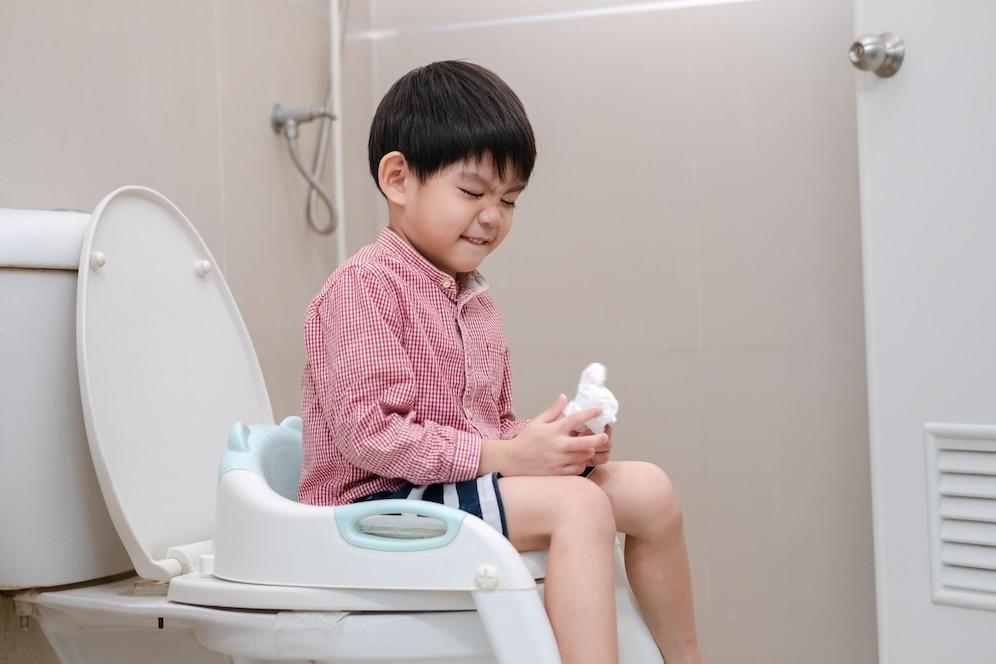
Constipation is a common issue among children that can cause significant discomfort and distress. As a parent, it’s natural to want to alleviate your child’s discomfort with safe and effective remedies. Fortunately, many home remedies can help manage and prevent constipation in children. This blog will explore these remedies and provide practical tips to help your child maintain regular bowel movements. Understanding Constipation in Children Before diving into remedies, it’s important to understand what constipation is and its common causes in children. Constipation typically involves infrequent bowel movements, hard or dry stools, and difficulty or pain when passing stools. Causes can include: Diet: Low fiber intake and insufficient fluid consumption are major contributors. Physical Activity: Lack of exercise can slow down the digestive system. Routine Changes: Changes in daily routine, such as starting school, can affect bowel habits. Holding Stool: Some children might avoid going to the toilet due to fear or discomfort, leading to constipation. Preventing Constipation Here are some tips which help alleviate constipation in children: 1. Increase Fiber IntakeFiber helps add bulk to stools and promotes regular bowel movements. Incorporate high-fiber foods into your child’s diet, such as:Fruits: Apples, pears, prunes, and berries.Vegetables: Carrots, peas, broccoli, and spinach.Whole Grains: Whole wheat bread, oatmeal, and brown rice.Legumes: Beans, lentils, and chickpeas. 2. Encourage Hydration Adequate fluid intake is essential for preventing constipation. Water is the best choice, but other fluids like milk and natural fruit juices can also be beneficial. Prune juice, in particular, is known for its natural laxative effect. 3. Promote Regular Physical Activity Exercise helps stimulate digestion. Encourage your child to engage in regular physical activities such as:Playing outsideRiding a bikeSwimmingFamily walks 4. Establish a Routine Having a regular toileting schedule can help. Encourage your child to sit on the toilet for a few minutes after meals, which is when the body is most likely to have a bowel movement. 5. Use a Footstool Sometimes, positioning can make a significant difference. Using a small footstool to elevate your child’s feet while they sit on the toilet can help align the rectum better, making it easier to pass stools. 6. Massage A gentle abdominal massage can stimulate bowel movements. Use gentle, clockwise strokes on your child’s tummy to help relieve constipation. 7. Monitor Dairy Intake For some children, excessive dairy consumption can contribute to constipation. Try reducing the amount of cheese, milk, and other dairy products to see if it helps. When to Seek Medical Help While home remedies can be very effective, there are times when you should seek medical advice. Contact your healthcare provider if your child:Has constipation for more than two weeks.Experiences severe abdominal pain.Has blood in their stools. Experiences weight loss without explanation.Shows signs of fear or avoidance of using the toilet. Conclusion Constipation in children can be distressing, but with the right suggestions and preventive measures, you can help your child achieve regular and comfortable bowel movements. By ensuring a balanced diet, promoting hydration and physical activity, and establishing good bathroom habits, you can alleviate constipation and support your child’s overall digestive health. Always remember to consult with a healthcare professional if you have any concerns or if the condition persists.
The Role of the Immune System in Recurrent Cough and Cold: Insights from Dr. Amita Phadnis

We’ve all been there—suddenly, you feel that familiar tickle in your throat, a slight shiver, or a sniffle. Before you know it, you’re in the throes of yet another cold. While occasional colds are a part of life, some people seem to catch every bug that comes their way. What’s going on with the immune system that makes some of us more susceptible to recurrent coughs and colds? Let’s delve into the fascinating world of our body’s defense mechanisms to uncover the answer. Understanding the Immune System: Our Body’s Defense Mechanism The immune system is an intricate network of cells, tissues, and organs that work in harmony to defend the body against harmful invaders like viruses, bacteria, and other pathogens. It can be divided into two main parts: the innate immune system and the adaptive immune system. Innate Immune System: This is the first line of defense. It’s like a rapid-response team that acts quickly to protect the body from infection. It includes physical barriers (like the skin and mucous membranes), as well as cells that attack invaders immediately. Adaptive Immune System: This is a more specialized and slower response. It involves lymphocytes (B cells and T cells) that recognize specific pathogens and remember them, which helps the body respond more efficiently if it encounters the same pathogen again in the future. Why Do We Catch Colds? Colds are mainly triggered by viruses, with rhinoviruses being the most frequent offenders. When a cold virus enters your body, it typically lands on the mucous membranes of your nose or throat. The immune system detects these invaders and launches an attack. Here’s where things get interesting: the symptoms of a cold (sneezing, sore throat, coughing, congestion) are not directly caused by the virus itself but by the immune system’s response to the infection. The inflammation and increased mucus production are efforts by the body to flush out and neutralize the virus. The Role of Immunity in Recurrent Colds Several factors can affect how often you catch a cold and how severe it becomes: Immune System Strength: A robust immune system is generally more effective at fending off infections. Factors like poor nutrition, lack of sleep, stress, and chronic illnesses can weaken the immune system, making you more prone to frequent colds. Exposure to Pathogens: People who are frequently in crowded places, such as schools, public transport, or offices, are more likely to be exposed to cold viruses. Immune System Memory: After fighting off a specific virus, the adaptive immune system remembers it, providing future protection. However, with over 200 different viruses capable of causing the common cold, it’s unlikely your immune system will recognize and respond to every one. Genetic Factors: Some people may have genetic variations that make their immune systems more or less effective at fighting off certain viruses. Strengthening Your Immune System While you can’t avoid every cold, there are steps you can take to bolster your immune system and reduce the frequency and severity of infections: Healthy Diet: Eating a balanced diet rich in fruits, vegetables, lean proteins, and whole grains provides the nutrients your immune system needs to function optimally. Regular Exercise: Moderate exercise can boost the immune system by promoting good circulation, which allows immune cells to move through the body more effectively. Adequate Sleep: Quality sleep is crucial for maintaining a healthy immune system. Strive to get between 7 and 9 hours of sleep each night. Stress Management: Chronic stress can suppress the immune system. Practices such as meditation, yoga, and deep-breathing exercises can effectively help in managing stress levels. Good Hygiene Practices: Regular handwashing, avoiding close contact with sick individuals, and not touching your face can reduce your risk of infection. Conclusion Recurrent coughs and colds are a common nuisance, but understanding the role of the immune system can help us appreciate the complexity of our body’s defense mechanisms. By taking proactive steps to support our immune system, we can reduce our vulnerability to these pesky infections. Remember, a strong immune system is your best ally in the fight against colds—so take care of it, and it will take care of you.
Infertility vs Sterility: What’s the Difference

While pregnancy brings about that glow on your face and makes you feel special, it also brings with it, its share of discomfort and an assortment of…
Can Jaundice Go Away on Its Own in Newborns?

While pregnancy brings about that glow on your face and makes you feel special, it also brings with it, its share of discomfort and an assortment of…