
Common Gynecological Problems Women Often Ignore

Common Gynecological Problems Women Often Ignore In day-to-day hospital practice, many women come only after symptoms have stayed for a long time. Before that, they managed quietly. Some feel the problem will settle. Some feel it is not serious. Others simply do not get time. This delay is very common. Period Issues That Get Adjusted To Many women notice changes in their periods but continue their routine by visiting Best gynecologist in Pune. Cycles may become irregular. Bleeding may increase or reduce. Sometimes periods stop for months. Stress is often blamed. While stress does affect cycles, repeated changes should not be ignored for long. Pain That Slowly Becomes Normal Pain during periods is often accepted as normal. Some women take painkillers every month and plan work around pain days. Over time, this pain feels routine. In some cases, such pain is linked to fibroids or other conditions that need evaluation. Vaginal Changes That Are Kept Quiet Discharge, itching, or smell changes are common complaints. Many women hesitate to speak about these. Some try home remedies or over the counter medicines. When treatment is delayed, infections may return again and again. Urinary Complaints That Keep Coming Back Burning sensation while passing urine or frequent urge is often treated casually. Repeated infections are common. Sometimes these are linked to pelvic health and need proper assessment. Why Early Visits Make a Difference Doctors often see that problems are simpler when women come early. ONP Hospital, have a best Gynecologist in PCMC, many patients say they waited longer than they should have. Regular checkups help address concerns before they grow. Paying Attention Matters The body usually gives early signs. Ignoring them does not solve the issue. Seeking advice early brings relief and avoids stress later. FAQ’s 1. What are the most common gynecological problems women often ignore? Some commonly ignored gynecological issues include irregular periods, abnormal vaginal discharge, pelvic pain, painful menstruation, urinary incontinence, heavy bleeding, and symptoms of hormonal imbalance. 2. When should I visit a gynecologist for irregular periods? You should consult a Gynecologist in Pune if your periods are consistently irregular, excessively heavy, unusually painful, or absent for several months without pregnancy. 3. Is pelvic pain a sign of a serious gynecological condition? Yes. Persistent pelvic pain may indicate conditions such as endometriosis, ovarian cysts, fibroids, pelvic inflammatory disease, or other reproductive health concerns that require medical evaluation. 4. Why should abnormal vaginal discharge not be ignored? Changes in color, odor, or consistency of vaginal discharge may signal infections, hormonal imbalances, or other gynecological conditions that need prompt treatment. 5. How often should women have gynecological checkups? Women should generally schedule annual gynecological examinations, even if they do not have symptoms, to support early detection and prevention of reproductive health issues. 6. How can a Gynecology clinic in Pune help maintain women’s health? A reputable Gynecology clinic in Pune provides preventive screenings, routine examinations, fertility consultations, pregnancy care, menopause management, and treatment for various gynecological conditions. 7. What are the warning signs that require immediate gynecological attention? Seek medical care if you experience severe pelvic pain, heavy bleeding, bleeding between periods, postmenopausal bleeding, unexplained weight loss, or unusual vaginal discharge. 8. Why is early diagnosis important for gynecological problems? Early diagnosis helps prevent complications, improves treatment outcomes, reduces discomfort, and supports long-term reproductive and overall health. 9. How can a Gynecologist in Pune help with reproductive health concerns? An experienced Gynecologist in Pune can diagnose and treat menstrual disorders, fertility issues, hormonal imbalances, infections, pregnancy-related concerns, and menopausal symptoms. 10. How do I choose the Best gynecologist in Pune? When selecting the Best gynecologist in Pune, consider their experience, qualifications, patient reviews, expertise in women’s health, and access to advanced diagnostic and treatment facilities. Our Gallery Visit Our Hospital Blogs Why IVF Fails? 7 Hidden You do everything right. Pick a good clinic, follow every instruction, stay hopeful and then… Read More First Trimester Care: What Every First Trimester Care: What Every Expecting Mother Should Know Pregnancy frequently feels most uncertain during… Read More Navigating the Path to Normal The process of childbirth is a transformative journey, and many expectant mothers aspire to achieve… Read More
Winter Infections in Kids. Early Signs and Prevention

Winter often brings small health troubles for children. Many parents notice that their child falls sick more often during colder months. This happens because children spend more time indoors, the air becomes dry, and germs spread easily in schools and play areas. Knowing the early signs helps parents act before the infection becomes serious. Early Signs Parents Often Miss Winter infections usually begin slowly. A child may seem tired, less playful, or complain of throat irritation. Mild fever, runny nose, watery eyes, sneezing, or a light cough are common starting signs. Some children eat less or sleep more than usual. Younger kids may become cranky or clingy without a clear reason. These small changes often appear one or two days before a full illness. Common Winter Illnesses Colds, viral fever, sore throat, ear pain, and cough are the most frequent winter problems in kids. In some cases, chest congestion or breathing discomfort can develop if care is delayed. Most infections are mild, but ignoring symptoms can lead to a longer recovery time. Why Winter Makes Kids More Vulnerable Cold air dries the nose and throat, reducing natural protection against germs. Closed rooms, shared toys, and close contact in schools allow infections to spread faster. Children also touch their face often, which increases the risk of catching viruses. Simple Prevention That Really Helps Keep children warmly dressed but comfortable. Make handwashing a daily habit, especially after school and before meals. Offer home cooked food, warm water, soups, fruits, and adequate fluids. Ensure proper sleep and avoid sending a sick child to school. Fresh air and sunlight inside the home also support immunity. Keeping Children Safe Through Winter Most winter infections can be managed easily when noticed early. With small daily precautions and timely care, parents can help their children stay active, comfortable, and healthy throughout the winter season. FAQs – Best Pediatric Hospital in PCMC 1. Which is the Best Pediatric Hospital in PCMC? ONP Leela Hospital is a trusted pediatric hospital in PCMC, offering comprehensive child healthcare with experienced pediatricians, advanced NICU facilities, modern diagnostics, and personalized treatment for newborns, infants, children, and adolescents. 2. What pediatric services are available at ONP Leela Hospital? Our pediatric department offers: Newborn and infant care Vaccination and immunization Well-child health check-ups Growth and developmental assessments Treatment for childhood illnesses Allergy and asthma management Nutrition counseling Pediatric emergency care Adolescent healthcare 3. Does ONP Leela Hospital provide NICU services? Yes. We provide advanced Neonatal Intensive Care Unit (NICU) services for premature babies, low birth weight infants, and newborns requiring specialized medical care and continuous monitoring. 4. When should I take my child to a pediatric hospital? Visit a pediatric hospital if your child has persistent fever, breathing difficulties, dehydration, repeated vomiting, seizures, injuries, developmental concerns, or requires routine vaccinations and health check-ups. 5. Does ONP Leela Hospital offer childhood vaccinations? Yes. We provide complete vaccination services following the recommended immunization schedule to protect children against preventable diseases. 6. Can pediatricians monitor my child’s growth and development? Yes. Our pediatricians regularly monitor your child’s physical growth, developmental milestones, nutrition, and overall health to ensure timely care and healthy development. 7. Why choose ONP Leela Hospital for pediatric care in PCMC? Parents choose ONP Leela Hospital because of: Experienced pediatricians and neonatologists Advanced NICU facilities Child-friendly environment Modern diagnostic technology Comprehensive vaccination services Emergency pediatric care Personalized treatment plans Family-centered healthcare 8. Does the hospital provide emergency pediatric care? Yes. Our pediatric team is available to manage a wide range of childhood emergencies, including infections, respiratory conditions, allergic reactions, dehydration, and newborn emergencies. 9. How often should my child have a pediatric health check-up? Regular health check-ups are recommended based on your child’s age and vaccination schedule. Annual wellness visits are advised for older children to monitor overall growth and development. 10. How can I book an appointment at ONP Leela Hospital? You can conveniently book an appointment online through the ONP Hospitals website or contact ONP Leela Hospital directly to schedule a consultation with our experienced pediatric specialists. Our Gallery Visit Our Hospital Blogs Fever in Children: When is Alright, let’s not make this complicated. Your child feels warm and suddenly everything in your… Read More Hand, Foot, and Mouth Disease The spreading of this disease, Hand Foot and Mouth Disease (HFMD), is a very common… Read More Safe Vaccination Practices – Preparing In today’s life, vaccination is very important for your child to protect them from different… Read More
Probiotics for Children: When and Why It Matters

Parents often hear the word probiotics but may not be sure how they help a child’s health. Probiotics are good bacteria that support the natural balance inside the gut. A healthy gut plays a big role in digestion, immunity, and overall well-being for growing children. When Probiotics Help There are certain times when probiotics become especially useful. If a child is taking antibiotics, the good bacteria in the intestines are reduced. This can cause loose stool, stomach discomfort, or weakness. Giving probiotics during and after the antibiotic course helps restore balance. Probiotics also help children who frequently face tummy issues like gas, bloating, or mild constipation. They support smoother digestion and improve nutrient absorption, which is important for growth. Some children also catch infections easily. Since a large part of immunity begins in the gut, a healthy balance of bacteria strengthens the body’s natural defense. Why They Matter Probiotics support a child’s overall health in many ways. They help build a stronger immune system, reduce stomach infections, and may even improve appetite. Children with food sensitivities or mild allergies may also benefit from improved gut function. These good bacteria also encourage the growth of a stable gut health environment. This stability helps reduce episodes of diarrhoea, especially after infection. For school going children, better gut health means fewer sick days and improved energy levels throughout the day. Choosing the Right Probiotics Parents should pick probiotics that are designed for children and contain a well-studied strain. It is always better to check with the doctor to understand the right type and dose based on age and the help needed. A Smarter Step Toward Better Gut Health Probiotics are small but powerful helpers for children’s health. They support digestion, boost immunity, and protect them during antibiotics use. Understanding when and why probiotics matter helps parents take better care of their children’s overall wellbeing. FAQs – Best Pediatrician in Pimple Saudagar 1. Who is the Best Pediatrician In Pimple Saudagar? ONP Leela Hospital has a team of experienced pediatricians who provide comprehensive medical care for newborns, infants, children, and adolescents, focusing on preventive, diagnostic, and specialized pediatric treatment. 2. What services do pediatricians at ONP Leela Hospital offer? Our pediatricians provide: Newborn and infant care Vaccination and immunization Child health check-ups Growth and developmental assessments Treatment for fever, infections, and allergies Asthma management Nutrition and feeding guidance Adolescent healthcare Pediatric emergency care 3. When should I consult a pediatrician? You should visit a pediatrician for routine check-ups, vaccinations, fever, cough, breathing difficulties, digestive issues, allergies, skin rashes, poor growth, developmental concerns, or any illness affecting your child’s health. 4. Does ONP Leela Hospital provide vaccination services? Yes. We offer complete childhood vaccination programs based on the recommended immunization schedule to protect children from preventable diseases. 5. Does ONP Leela Hospital provide newborn and NICU care? Yes. Our hospital offers specialized newborn care and advanced NICU services for premature babies, low birth weight infants, and critically ill newborns. 6. Can pediatricians monitor my child’s growth and development? Yes. Regular pediatric visits help assess your child’s physical growth, developmental milestones, nutrition, behavior, and overall well-being to ensure healthy development. 7. What symptoms require immediate pediatric care? Seek urgent medical attention if your child experiences: High fever Difficulty breathing Seizures Severe dehydration Persistent vomiting Loss of consciousness Serious injuries or accidents 8. Why choose ONP Leela Hospital for pediatric care in Pimple Saudagar? Parents trust ONP Leela Hospital because of: Experienced pediatricians Child-friendly environment Advanced NICU facilities Comprehensive vaccination services Modern diagnostic technology Personalized treatment plans Emergency pediatric support 9. How often should my child visit a pediatrician? Children should have regular wellness check-ups according to their age and vaccination schedule, along with visits whenever they are unwell or have developmental concerns. 10. How can I book an appointment with a pediatrician at ONP Leela Hospital? You can book an appointment online through the ONP Hospitals website or contact ONP Leela Hospital directly to schedule a consultation with one of our experienced pediatricians. Our Gallery Visit Our Hospital Blogs Fever in Children: When is Alright, let’s not make this complicated. Your child feels warm and suddenly everything in your… Read More Winter Infections in Kids. Early Winter often brings small health troubles for children. Many parents notice that their child falls… Read More Hand, Foot, and Mouth Disease The spreading of this disease, Hand Foot and Mouth Disease (HFMD), is a very common… Read More
What happened inside NICU: A Parents’ Guide

NICU is known as a neonatal Intensive Care unit where a newborn is admitted to give extra medical care after birth. It is not easy to see your child in the NICU, but understanding what is happening inside can help your baby to grow properly. These NICU are designed to give newborns the care that they need until they are strong enough to go home. A safe space for babies Every NICU is filled with the gentle light, warm air, and quiet surroundings. To keep babies and newborns warm, the temperature is also maintained. Their beds also look different from regular ones, they are incubators or a warmer that keeps the baby’s body temperature normal. Nurses and doctors watch each baby closely with the help of small machines that take heart rate, Oxygen, and breathing. Team that Never Stops Watching In the NICU, there is always a team working around the clock. Neonatologists, nurses, and respiratory therapists monitor every little change. They adjust my distance feeding and oxygen support as needed. Parents notice beeps and screens, but these are simple ways for the staff to make sure everything stays stable. Feeding and Growth Support In the NICU, many babies cannot feed from the breast or bottle directly. In such a case, they may feed, provide milk, or nutrition with small tubes so that they can suck or swallow properly. Every drop of milk helps them grow stronger each day. Parents Are Part of the Care Even in the NICU parents have an important role. Parents can also have permission but only when the team allows to meet and touch your baby but in the required time. Today pediatricians also appreciate kangaroo care, which allows you to hold your baby’s skin to skin because it gives comfort to both baby and parents. Hope Beyond the Machines The NICU is not just a room full of machines; it is a place of healing and hope for newborns. Every single day brings small improvements in your baby, a better heartbeat, longer feeding, and a peaceful nap. Before long, the same baby who needed extra care will be ready to go home stronger and healthier than before. FAQs – NICU For Babies in Pune 1. Which hospital offers the best NICU for babies in Pune? ONP Hospitals provides a state-of-the-art NICU for babies in Pune with experienced neonatologists, advanced life-support systems, and round-the-clock care for premature and critically ill newborns. 2. What is a NICU? A Neonatal Intensive Care Unit (NICU) is a specialized hospital unit that provides advanced medical care for premature babies, low birth weight infants, and newborns with serious medical conditions requiring continuous monitoring. 3. Which babies may need NICU care? NICU care may be required for babies who: Are born prematurely Have low birth weight Experience breathing difficulties Have neonatal infections Are born with congenital conditions Need intensive monitoring after birth 4. What services are available in the NICU at ONP Hospitals? Our NICU offers: Advanced respiratory support Neonatal ventilation Incubator care Phototherapy for jaundice Continuous monitoring Infection management Newborn screening Nutritional and lactation support 5. Are neonatologists available 24/7? Yes. Our experienced neonatologists and NICU specialists are available 24/7 to provide immediate and specialized care for newborn emergencies. 6. Can parents visit babies admitted to the NICU? Yes. Parents are encouraged to participate in their baby’s care according to hospital guidelines, with support from our neonatal care team. 7. How long does a baby stay in the NICU? The length of stay depends on the baby’s condition, gestational age, birth weight, and overall progress. Our team closely monitors each baby’s recovery before discharge. 8. Why choose ONP Hospitals for NICU care in Pune? Parents choose ONP Hospitals because of: Experienced neonatologists Advanced NICU technology 24/7 neonatal emergency care Personalized treatment plans High standards of infection control Family-centered care Comprehensive newborn support 9. Does ONP Hospitals provide follow-up care after NICU discharge? Yes. We provide developmental assessments, growth monitoring, vaccination guidance, nutritional counseling, and regular follow-up visits to support your baby’s healthy development. 10. How can I book a consultation for neonatal care at ONP Hospitals? You can book an appointment through the ONP Hospitals website or contact the hospital directly to consult with our neonatologists and neonatal care specialists. Our Gallery Visit Our Hospital Blogs Fever in Children: When is Alright, let’s not make this complicated. Your child feels warm and suddenly everything in your… Read More Winter Infections in Kids. Early Winter often brings small health troubles for children. Many parents notice that their child falls… Read More Hand, Foot, and Mouth Disease The spreading of this disease, Hand Foot and Mouth Disease (HFMD), is a very common… Read More
Dealing with Frequent Stomach Upsets in Children

The most common health problem in children is stomach upset, which happens frequently when they eat outside food. If parents notice these serious symptoms, like continuous stomach pain, loose motion, gas, or loss of appetite, they need to go to the doctor immediately to receive medication. While occasional stomach issues are normal, frequent complaints may need more attention. Common Cause There are many reasons why children can get stomach upset. The most common reasons are infection over overeating, food allergies, or eating too much junk food. Sometimes lack of sleep or irregular eating habits also cause discomfort in the stomach. In your young kids, drinking and clean water or putting toys in the mouth can lead to stomach infection. What Parents Can Do First first see the symptoms like vomiting, diarrhoea, or fever if your child is complaining of stomach pain or nausea. For mild cases, you can use some simple home remedies to cure, and they will work well. Give them plenty of fluids like water, coconut water, or clear soup to prevent your child from dehydration. Also, try to give them light food such as rice, curd, or bananas instead of any oily or spicy food. If the stomach upset is caused by any of the reasons, like constipation, adding more fiber through fruits and vegetables can also be helpful in Teaching your child good habits like washing their hands before and after using the washroom is one of the easiest ways to prevent stomach infection in your child. When to See a Doctor If a child is having a high fever, or severe vomiting or stomach pain lasting for more than a day, parents should seek urgent medical advice from their pediatrician. Frequent stomach pain may be caused by lactose intolerance, a food allergy, or other issues that need to be properly diagnosed by an expert. Healthy Habits for a Happy Stomach Most of the stomach issues are normal and children and can be certain with simple home remedies. Severe stomach pain can lead to a problem that shouldn’t be ignored and can also be cured by following a particular eating habit, maintaining good hygiene, and scheduling regular fffollow-ups with good pediatrician. It is the responsibility of parents to make sure that the child’s growth is healthy and strong. Frequently Asked Questions 1. Why is ONP Hospitals considered one of the Best Neonatal Care Hospitals In Pune? ONP Hospitals offers advanced NICU facilities, experienced neonatologists, 24/7 emergency newborn care, and comprehensive treatment for premature babies, low birth weight infants, neonatal jaundice, respiratory conditions, infections, and other critical newborn health concerns. 2. What is neonatal care? Neonatal care refers to specialized medical care provided to newborn babies during the first 28 days of life. It focuses on diagnosing, treating, and monitoring babies who require additional medical attention after birth. 3. What conditions are treated in the Neonatal Intensive Care Unit (NICU)? Our NICU provides specialized care for: Premature babies Low birth weight infants Respiratory distress Neonatal jaundice Neonatal infections Birth asphyxia Feeding difficulties Congenital conditions Hypoglycemia Other critical newborn health conditions 4. When does a newborn need NICU admission? A baby may require NICU care if they are born prematurely, have breathing difficulties, low birth weight, infections, congenital abnormalities, severe jaundice, or need continuous monitoring after delivery. 5. What NICU services are available at ONP Hospitals? Our NICU offers: Continuous vital monitoring Incubator care CPAP and ventilator support Oxygen therapy Phototherapy for jaundice Intravenous medications Feeding and nutritional support Infection management Emergency neonatal resuscitation 6. Do you provide care for premature babies? Yes. Our neonatal specialists provide comprehensive care for premature babies, including respiratory support, temperature regulation, nutritional management, infection prevention, developmental monitoring, and individualized treatment plans. 7. Can parents visit their baby in the NICU? Yes. Parents are encouraged to participate in their baby’s care whenever appropriate while following hospital visitation and infection-control protocols. Our team also provides regular updates and guidance throughout the baby’s stay. 8. What is Kangaroo Mother Care (KMC)? Kangaroo Mother Care is a method of skin-to-skin contact between the baby and parent that can help regulate body temperature, support breastfeeding, promote healthy weight gain, and strengthen parent-child bonding, when recommended by the medical team. 9. What are the warning signs that a newborn needs immediate medical attention? Seek immediate medical care if your baby has: Difficulty breathing Poor feeding Persistent vomiting Bluish lips or skin High or low body temperature Severe jaundice Excessive sleepiness Convulsions Weak cry Poor weight gain 10. How can I book a consultation with a neonatologist at ONP Hospitals? You can schedule a consultation by contacting ONP Hospitals through our website or calling our appointment desk. Our team will assist you in connecting with an experienced neonatologist and arranging timely care for your newborn. Our Gallery Visit Our Hospital Blogs Fever in Children: When is Alright, let’s not make this complicated. Your child feels warm and suddenly everything in your… Read More Winter Infections in Kids. Early Winter often brings small health troubles for children. Many parents notice that their child falls… Read More Hand, Foot, and Mouth Disease The spreading of this disease, Hand Foot and Mouth Disease (HFMD), is a very common… Read More
Hand, Foot, and Mouth Disease Symptoms and Home Care Guidance

The spreading of this disease, Hand Foot and Mouth Disease (HFMD), is a very common illness nowadays in young children, infants, and older children can also have the symptoms of this disease. As we all know, prevention is better than a cure. Take precautions before this disease affects your child; while it may sound concerning, the condition is usually mild and can also be managed at home with proper care. By knowing the symptoms, parents should know how to provide comfort can make a big difference in recovery. Take your child to good care before being affected. What causes HFMD This HFMD disease spreads easily through close contact, coughing, sneezing, or touching contaminated objects. HFMD is caused by a group of viruses, most often the Coxsackievirus. It mostly breaks out in common Day care centers and playgrounds where children are in close contact with one another. Symptoms to watch for The illness usually starts with mild symptoms before the characteristic appear. Some common signs include: Fever and sore throat Reduce appetite Fatigue or irritability Painful red spots or blisters on the hands, feet, and sometimes buttocks A mouth ulcer. Symptoms usually appear for 3 to 6 days after exposure and last about a week. Home care and comfort measures In some cases of HFMD, hospitalisation is not required or necessary; it can be treated at home. Parent and monitor symptoms and follow these steps easily. Keep your child hydrated by giving them lots of fluid and avoiding oily and spicy food, which may irritate mouth sores. Give pain relief medicines advice from a doctor, which can help reduce fever and discomfort. Soothing means like soft food, you get mashed fruit when mouth ulcers are present. Rest and comfort are very important. Give your child a good sleep and take care enough by staying at home. Preventing the spread For preventing the spread of HFMD, hygiene is very important. Parents should follow these steps to protect Make sure your child washes hands frequently with super water. Clean and disinfect every toy, surface, and shared item they use. Keep infected children away from Day Care or school until fully recovered. When to call a doctor While HFMD is usually mild, parent should seek medical advice if their child has: Persistent high fever Signs of dehydration like dry lips and less urination. Severe pain and difficulty swallowing. Symptoms elastic longer than 10 days. Managing HFMD with Confidence Hand, Foot, and Mouth Disease may cause this condition, but with proper home care and hygiene, most children recover quickly without any complications. By recognising symptoms early and offering supportive care to your child, parents can help them feel better while also preventing the spread of the illness to other children. FAQs 1. Why choose ONP Hospitals’ Pediatric Clinic in PCMC? ONP Hospitals offers comprehensive pediatric care with experienced pediatricians, advanced diagnostic facilities, vaccination services, and personalized treatment plans for newborns, infants, children, and adolescents. 2. What pediatric services are available at ONP Hospitals? We offer: General pediatric consultations Newborn and infant care Vaccination and immunization Growth and developmental assessments Nutrition counseling Preventive health check-ups Treatment for common childhood illnesses Adolescent healthcare 3. What age groups do your pediatricians treat? Our pediatricians care for newborns, infants, children, and adolescents, providing age-appropriate healthcare at every stage of development. 4. Do you provide routine childhood vaccinations? Yes. We offer vaccinations according to the recommended immunization schedule and guide parents on timely immunizations to help protect children from vaccine-preventable diseases. 5. When should I take my child to a pediatric clinic? You should consult a pediatrician if your child has: Fever Persistent cough or cold Vomiting or diarrhea Allergies or skin rashes Poor feeding Breathing difficulties Delayed growth or development Any unusual symptoms or behavioral concerns 6. Do you offer newborn care services? Yes. Our pediatricians provide newborn health assessments, feeding guidance, growth monitoring, developmental evaluations, and routine follow-up care. 7. Can I visit for regular child health check-ups? Absolutely. Regular pediatric check-ups help monitor your child’s growth, development, nutrition, and overall health while identifying potential health concerns early. 8. Do you treat common childhood illnesses? Yes. Our pediatricians diagnose and treat fever, cough, cold, flu, allergies, asthma, ear infections, stomach infections, skin conditions, and many other pediatric health concerns. 9. Do you provide nutrition and developmental guidance? Yes. We offer expert advice on child nutrition, feeding practices, developmental milestones, and healthy lifestyle habits to support your child’s overall well-being. 10. How can I book an appointment at ONP Hospitals’ pediatric clinic in PCMC? You can book an appointment through the ONP Hospitals website or contact our appointment desk to schedule a consultation with one of our experienced pediatricians. Our Gallery Visit Our Hospital Blogs Fever in Children: When is Alright, let’s not make this complicated. Your child feels warm and suddenly everything in your… Read More Winter Infections in Kids. Early Winter often brings small health troubles for children. Many parents notice that their child falls… Read More Dealing with Frequent Stomach Upsets The most common health problem in children is stomach upset, which happens frequently when they… Read More
Importance of Routine Checkups – Why preventive pediatric care is vital.
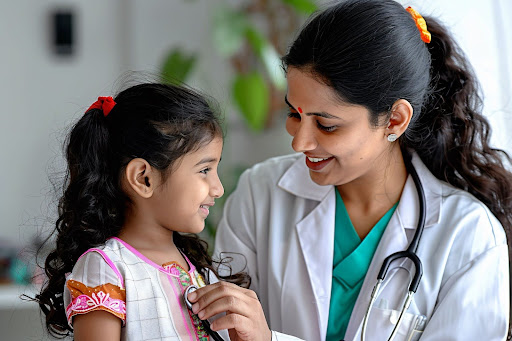
There are so many things to routine pediatric checkups than just making appointments. For tracking your child’s growth, development, and general health, it is necessary to a regular pediatric check-ups. Regular follow-ups with your pediatrician will make sure to treat issues early and keep your kid on track with health milestones. Early Detection Is Important To track whether your child’s height, weight, and development in relation to age are going properly or not, regular check-ups with your doctor allow this to be monitored easily. Early detection of any delays or odd trends improves the efficacy of treatment and gives you the right direction to move with your child’s health. Complications later in life can be avoided with early detection of conditions, including eye impairments, hearing challenges, or nutritional deficiencies. Increasing Immunity With Preventive Treatment With the help of proper preventive treatment and vaccination, children can get immunity that covers them from dangerous illnesses during examinations. Parents can also talk about behavior, mental health, sleep, and diet during these visits. Strong foundations for healthy growth are created by this regular treatment. Enhancing the Relationship Between Parents and Doctors With the regular visits, it builds trust in the relationship between the families and the healthcare professionals. Parents can freely ask any questions and problems to experts and get advice quickly. Through this collaboration, children are guaranteed to receive comprehensive care, not only medical attention when they are ill. FAQs 1. Who is the Best Pediatrician In Pimple Saudagar? ONP Leela Hospital has experienced pediatricians who provide comprehensive healthcare for newborns, infants, children, and adolescents with a focus on preventive, diagnostic, and specialized pediatric care. 2. What services do pediatricians at ONP Leela Hospital provide? Our pediatricians offer: Newborn and infant care Routine child health check-ups Vaccination and immunization Growth and developmental assessments Treatment for fever, infections, and allergies Asthma management Nutrition counseling Adolescent healthcare Pediatric emergency care 3. When should I take my child to a pediatrician? Consult a pediatrician for regular health check-ups, vaccinations, fever, cough, breathing difficulties, digestive problems, skin rashes, poor growth, developmental concerns, or any illness affecting your child’s health. 4. Does ONP Leela Hospital provide vaccination services? Yes. We offer complete childhood immunization services based on the recommended vaccination schedule to protect children from preventable diseases. 5. Can pediatricians monitor my child’s growth and development? Yes. Regular visits help monitor your child’s height, weight, nutrition, developmental milestones, behavior, and overall health, ensuring timely intervention if needed. 6. Does ONP Leela Hospital provide newborn and NICU care? Yes. We provide specialized newborn care, neonatal consultations, and advanced NICU facilities for premature and critically ill newborns. 7. What symptoms require immediate pediatric care? Seek urgent medical attention if your child has: High fever Difficulty breathing Seizures Severe dehydration Persistent vomiting Loss of consciousness Serious injury or trauma 8. Why choose ONP Leela Hospital for pediatric care in Pimple Saudagar? Parents choose ONP Leela Hospital because of: Experienced pediatricians Child-friendly environment Advanced NICU facilities Comprehensive vaccination services Modern diagnostic technology Emergency pediatric care Personalized treatment plans 9. How often should my child visit a pediatrician? Children should have regular wellness visits according to their age, scheduled vaccination appointments, and consultations whenever they are unwell or have developmental concerns. 10. How can I book an appointment with a pediatrician at ONP Leela Hospital? You can easily book an appointment through the ONP Hospitals website or contact ONP Leela Hospital directly to consult an experienced pediatrician for your child’s healthcare needs. Our Gallery Visit Our Hospital Blogs Fever in Children: When is Alright, let’s not make this complicated. Your child feels warm and suddenly everything in your… Read More Winter Infections in Kids. Early Winter often brings small health troubles for children. Many parents notice that their child falls… Read More Hand, Foot, and Mouth Disease The spreading of this disease, Hand Foot and Mouth Disease (HFMD), is a very common… Read More
Safe Vaccination Practices – Preparing your child for shots.

In today’s life, vaccination is very important for your child to protect them from different types of diseases and infections. By giving these vaccines it increases your child’s immunity and gives their body enough energy to fight with the bad bacterias. For parents, vaccination day may give them stress, but it also gives protection to their children, so help your children stay calm. Reassuring your child in a positive way that this will help boost their immunity and give them the power to fight bad bacteria. Understanding Why Vaccinations Matter Each vaccination is designed to help children’s bodies recognize and fight against the specific infection and germs in the future. By following the schedule suggested by the pediatrician, you give your child strong protection during early growth years. Skipping or delaying vaccines can expose children to unavoidable illness; sustaining consistent illness is truly a matter. Before the Appointment Before the day of vaccination, make your child comfortable before the visit to the doctor. Keep your words come and positive and make sure the child does not panic after listening about the vaccination process. Avoid using words like pain or hurt, and give them positive feedback about vaccination and its effects. A few helpful things you can do: Let them rest well and eat something before leaving home. Carry a favorite toy, blanket, or soft book for comfort. Dressing them in short sleeves makes it easy to roll up clothes. During the Vaccination On the day of vaccination, make sure your child is calm and relaxed. You can bring your child’s favourite toy, sing a song, or distract them with gentle talking. While distracting toddlers have difficulty, you can hold their hand tightly to make sure they are secure, also they are prepared to take a deep breath or count slowly until it’s done. After the Vaccination Also, after the vaccination, some children may feel the after effects like light fever or soreness. It can be cured by taking cold cloth or pain relief medicine prescribed by your doctor. Offer a lot of fluid and light food, and make your child be brave. It helps them feel confident for next time. Protecting Health with Confidence Protecting your child’s health is a very important task, and vaccination also plays a very important role in protecting them. With parents’ honesty, a gentle reassurance can give their child less stress for vaccination with a positive and empowering experience. Preparing your child before the vaccination ensures that every visit to the doctor for the vaccine is done with confidence and peace of mind that your child will not hesitate to take it. FAQs 1. Which is the Best Pediatric Hospital in Pimpri Chinchwad? ONP Leela Hospital is a trusted Pediatric Hospital In Pimpri Chinchwad, offering expert pediatricians, advanced NICU facilities, modern diagnostics, and comprehensive healthcare services for newborns, infants, children, and adolescents. 2. What pediatric services are available at ONP Leela Hospital? Our pediatric department provides: Newborn and infant care Vaccination and immunization Well-child check-ups Growth and developmental assessments Treatment for childhood illnesses Allergy and asthma management Nutrition counseling Pediatric emergency care Adolescent healthcare 3. Does ONP Leela Hospital provide NICU services? Yes. We offer advanced Neonatal Intensive Care Unit (NICU) services for premature babies, low birth weight infants, and newborns requiring specialized medical care and continuous monitoring. 4. When should I take my child to a pediatric hospital? Visit a pediatric hospital if your child has a high fever, persistent cough, breathing difficulties, repeated vomiting, dehydration, seizures, injuries, growth concerns, or requires routine vaccinations and health check-ups. 5. Does ONP Leela Hospital provide childhood vaccinations? Yes. We offer complete immunization services following the recommended vaccination schedule to help protect children against preventable diseases. 6. Can pediatricians monitor my child’s growth and development? Yes. Our pediatricians regularly assess growth, developmental milestones, nutrition, and overall health to ensure your child receives timely care and support. 7. What makes ONP Leela Hospital different from other pediatric hospitals? ONP Leela Hospital is known for: Experienced pediatricians and neonatologists Advanced NICU facilities Child-friendly environment Modern diagnostic technology Personalized treatment plans 24/7 pediatric and neonatal support Comprehensive child healthcare under one roof 8. Does the hospital provide emergency pediatric care? Yes. Our pediatric team is equipped to manage a wide range of childhood emergencies, including infections, respiratory problems, dehydration, allergic reactions, and newborn emergencies. 9. How often should my child have a pediatric health check-up? Children should have regular health check-ups based on their age, vaccination schedule, and developmental needs. Annual wellness visits are recommended for older children. 10. How can I book an appointment at ONP Leela Hospital? You can conveniently book an appointment online through the ONP Hospitals website or contact the hospital directly to schedule a consultation with our pediatric specialists. Our Gallery Visit Our Hospital Blogs Fever in Children: When is Alright, let’s not make this complicated. Your child feels warm and suddenly everything in your… Read More Winter Infections in Kids. Early Winter often brings small health troubles for children. Many parents notice that their child falls… Read More Hand, Foot, and Mouth Disease The spreading of this disease, Hand Foot and Mouth Disease (HFMD), is a very common… Read More
Recognizing Early Signs of Developmental Delays

Every child grows and develops at a unique pace, and their general milestones help track healthy progress. Development day occurs when a child takes longer than expected to reach these milestones in areas such as movement, speech, learning behaviour, or social interaction. Early recognition plays a very important role in providing timely support and improving long-term outcomes. Recognizing Developmental Milestones Development milestones include physical, cognitive, social, and language skills that most children achieve within a certain age range. These include sitting, walking, speaking first, responding to emotions, following instructions, and interacting with others. When a child consistently misses multiple milestones, it can indicate a delay that needs professional attention. Warning Indications to Look Out For Parents should watch out for these symptoms, like: No response to sound or make eye contact. Not properly walking, crawling, or sitting within the allotted time. If there is limited speech or an inability to follow basic instructions. Extreme shyness or aggression, or difficulty interacting with peers. See a good doctor for a developmental screening of your child. When to Get Medical Advice Some of the cognitive delay problems are related to thinking, understanding, and problem-solving. If a child may show difficulty in following the simple instructions, remembering things, recognising shapes and colours, or focusing on tasks, parents should seek good medical advice for their developmental delay if their child is not developing according to the milestones. Early Intervention Is Important You have to be aware of the developmental delays in children. When these symptoms are detected earlier, they have the best chance to get them develop with proper support from a pediatrician or development specialist. Don’t be afraid to ask any advice from a professional and trust your instincts as a parent. FAQs 1. Why choose ONP Hospitals’ Pediatric Clinic in Pimpri Chinchwad? ONP Hospitals offers expert pediatric care with experienced pediatricians, modern facilities, preventive healthcare services, vaccinations, and personalized treatment plans to support your child’s health and development. 2. What pediatric services are available at ONP Hospitals? Our pediatric clinic provides: General pediatric consultations Newborn and infant care Vaccination and immunization Growth and developmental assessments Nutrition counseling Treatment for common childhood illnesses Adolescent healthcare Preventive health check-ups 3. What age group do your pediatricians treat? Our pediatric specialists provide healthcare for newborns, infants, children, and adolescents, ensuring age-appropriate medical care at every stage of growth. 4. Do you provide routine childhood vaccinations? Yes. We offer routine immunizations according to the recommended vaccination schedule and guide parents on timely vaccinations to help protect children from preventable diseases. 5. When should I consult a pediatrician? You should consult a pediatrician if your child has: Fever Persistent cough or cold Vomiting or diarrhea Allergies or skin rashes Poor feeding Breathing difficulties Delayed growth or development Any unusual symptoms or behavioral concerns 6. Do you offer newborn care services? Yes. Our pediatricians provide comprehensive newborn care, including feeding guidance, routine health assessments, growth monitoring, developmental evaluations, and parental counseling. 7. Can I visit for my child’s regular health check-up? Absolutely. Regular pediatric check-ups help monitor your child’s physical growth, developmental milestones, nutrition, and overall well-being while detecting potential health concerns early. 8. Do your pediatricians treat seasonal illnesses and infections? Yes. We diagnose and manage common childhood illnesses such as viral infections, fever, flu, cough, ear infections, stomach infections, asthma, allergies, and other pediatric conditions. 9. Do you provide nutritional and developmental guidance? Yes. Our pediatric team offers expert advice on child nutrition, healthy growth, developmental milestones, feeding practices, and lifestyle habits to support your child’s overall health. 10. How can I book an appointment at the pediatric clinic in Pimpri Chinchwad? You can book an appointment with our pediatric specialists by contacting ONP Hospitals through our website or calling our appointment desk. Our team will assist you in scheduling a convenient consultation. Our Gallery Visit Our Hospital Blogs Fever in Children: When is Alright, let’s not make this complicated. Your child feels warm and suddenly everything in your… Read More Winter Infections in Kids. Early Winter often brings small health troubles for children. Many parents notice that their child falls… Read More Hand, Foot, and Mouth Disease The spreading of this disease, Hand Foot and Mouth Disease (HFMD), is a very common… Read More
Top 10 Tips to Boost Your Child’s Immunity Naturally

In the modern world, parents naturally want their child to be strong and healthy. Every child should have a strong line of defense, especially these days when germs and viruses are so common. Fortunately, there are many ways to boost children’s immunity naturally and help them. So, let’s talk about 10 easy and effective ways every parent should know to help their child stay strong. Balanced diet – Focus on a balanced diet and give your child a colorful mix of vegetables, fruits, whole grains, lean protein, and healthy fats. Also, food rich in zinc, antioxidants, and vitamin C, like carrots, spinach, berries, and nuts, helps the immune system to stay strong. Breastfeeding – Breastfeeding for infants provides them with antibodies and nutrients that are essential to support newborns in fighting infections and build a long-term immunity system. Daily physical activity – Let them run, jump, and play. Regular physical activity is important for children to boost circulation and enhance their immune system. Proper sleep – An adequate amount of sleep is essential for children to repair their immune system. Every child should get at least 9 to 12 hours of quality sleep, as per their age range. Good hygiene habits – Encouraging your child to follow good hygiene habits, such as washing their hands before a meal and after playtime, brushing their teeth, bathing daily, and keeping their nails trimmed, is the easiest way to protect themselves from everyday germs. Also, do not touch Stray animals as they carry infections. Good hygiene keeps children protected from infection and reduces the burden on the immune system. Diet with probiotics – To support your child’s health, include probiotic foods like yogurt and fermented vegetables, which promote overall wellbeing and strengthen their immunity. Keep hydrated – Encourage your child to drink plenty of water daily, which helps to flush out toxins and helps immune cells to function properly. Get plenty of sunlight for Vitamin D- Children should get 10 to 15 minutes of morning sunlight daily It’s not just a boost; immunity but also helps the body produce vitamin D. Keep your child stress-free. – Reduce your child’s stress by providing them a loving and supportive environment that helps their hormones stay balanced and healthy. Limit the use of antibiotics – Before using any antibiotic, always consult a doctor. Because unnecessary use of antibiotics can weaken your child immune system. There are 10 natural ways you can boost your child’s immunity. Making them build a consistent lifestyle lays a strong foundation for your child’s well-being and health. Prevention is always better than a cure!