
Ensuring Safety and Security: Robotic Surgery in India

When Should You Consult a Doctor for Orthopedic Pain?

As you become older, aches and pains may become more common, but that doesn’t always mean they’re normal. Athletes may sometimes ignore injuries that they ascribe to common training aches and pains when they require medical treatment. The fact is that it might be tough to discern if you’re fine or whether you need to see a doctor. Athletes and people who suffer from chronic injuries may be more experienced with determining if an injury requires a consultation with an orthopedic doctor or if your family doctor would suffice. An orthopedic specialist specializes in the health of your bones and joints, and your regular doctor may not be as equipped to diagnose your problem. There are various signs that indicate you should see an orthopedic doctor. Persistent Soft Tissue Damage Soft tissue injuries, such as a sprained ankle, twisted knee, or a painful wrist, must be treated as soon as possible with the RICE approach – rest, ice, compression, and elevation. If the pain and swelling persist following 48 hours, schedule a consultation with an orthopedic specialist. Persistent Joint Pain Persistent joint or bone pain, particularly in the neck, back, elbows, or knees, might indicate a major orthopedic condition. You might have osteoarthritis or an inflammatory condition. An orthopedic specialist will be able to comprehend your symptoms and deliver an appropriate diagnosis, setting you on the road to recovery. Reduced Joint Mobility Because your joints enable you to move your limbs freely and easily, it’s an indication that something is wrong when these motions become challenging. A reduction in range of motion can indicate arthritis, another joint illness, or joint damage. If it persists, it is probable that it will not go away by itself that you will need to contact a doctor. If left untreated, this sort of injury could worsen or develop additional complications. Everyday Activities Are Affected Common, everyday joint discomfort is normal but not so usual that it interferes with your regular activities. Walking short distances, taking the stairs, moving in and out of bed, brushing your teeth, and other daily tasks should be pain-free. The same lingering pain that persists when performing a certain action may indicate a more serious condition than you previously imagined. Tingling Sensations in the Hands or Fingers Carpal tunnel syndrome can cause numbness in your hands, thumb, pointer, or middle fingers, as well as a tingling feeling. Dropping objects often might also be a warning indicator. Carpal tunnel syndrome damages the nerve that passes through your wrist to your forearm and enables your four fingers to sense, with the exception of your pinky. This condition can be caused by a variety of reasons, the most common of which is frequently flexing the wrist over extended periods of time. Your Orthopedic Specialist Visit Your orthopedic specialist will listen to your concerns before examining whatever is wrong with you. They will examine your range of motion, strength, and whether or not everything is operating properly. If further information is required, the doctor may request other tests, such as an x-ray or an MRI, to better identify your condition or damage. Your specialist will collaborate with you to decide the right plan of action for a treatment plan after learning further about your injury or condition and evaluating the results of any diagnostics. Nonsurgical techniques such as rest, medication, injections, physical therapy, and rehabilitation programs can often be used to treat your injury. Your doctor will work with you to improve your strength and flexibility and will devise a plan that may include a combination of therapy options to get you back to normal. FAQs 1. Which is the Best Orthopedic Hospital in Pune? The Best Orthopedic Hospital in Pune offers experienced orthopedic surgeons, advanced diagnostics, minimally invasive surgical techniques, and comprehensive rehabilitation. ONP Hospitals provides specialized care for bone, joint, muscle, and spine disorders with a patient-centered approach. 2. What orthopedic conditions are treated at ONP Hospitals? Our orthopedic specialists diagnose and treat: Knee pain and arthritis Hip disorders Fractures and trauma Sports injuries Spine disorders Shoulder injuries Ligament and tendon injuries Osteoporosis Joint deformities Bone and joint infections 3. What orthopedic surgeries are available at ONP Hospitals? We offer advanced orthopedic procedures including: Knee replacement surgery Hip replacement surgery Arthroscopic (keyhole) surgery Spine surgery Fracture fixation Shoulder surgery Trauma surgery Minimally invasive orthopedic procedures Revision joint replacement surgery 4. When should I consult an orthopedic specialist? You should see an orthopedic doctor if you experience: Persistent joint pain Back or neck pain Difficulty walking Sports injuries Bone fractures Joint stiffness Swelling in joints Limited movement Chronic muscle or ligament pain 5. Does ONP Hospitals offer joint replacement surgery? Yes. ONP Hospitals performs advanced knee and hip replacement surgeries using modern surgical techniques designed to improve mobility, reduce pain, and support faster recovery. 6. Can sports injuries be treated without surgery? Yes. Many sports injuries, including sprains, ligament injuries, tendon problems, and muscle strains, can be effectively treated with medications, physiotherapy, rehabilitation, and other non-surgical treatments. Surgery is recommended only when necessary. 7. What diagnostic services are available for orthopedic conditions? Depending on your condition, the orthopedic team may recommend: Digital X-ray MRI Scan CT Scan Bone density test Ultrasound Blood investigations Joint function assessment 8. Does ONP Hospitals provide physiotherapy and rehabilitation? Yes. ONP Hospitals offers comprehensive physiotherapy and rehabilitation programs after orthopedic injuries and surgeries to restore strength, flexibility, mobility, and overall function. 9. Why choose ONP Hospitals as the Best Orthopedic Hospital in Pune? Patients choose ONP Hospitals because of: Experienced orthopedic surgeons Comprehensive bone, joint, and spine care Advanced surgical technology Joint replacement expertise Sports injury management Fracture and trauma care Physiotherapy and rehabilitation Personalized treatment plans Over 60 years of trusted healthcare excellence 10. How can I book an appointment with an orthopedic specialist at ONP Hospitals? You can book an appointment through the ONP Hospitals website or contact the hospital directly to consult an orthopedic specialist for diagnosis, treatment, or a second opinion. Our Gallery Visit
Why Do Hip Fractures Necessitate Immediate Treatment?
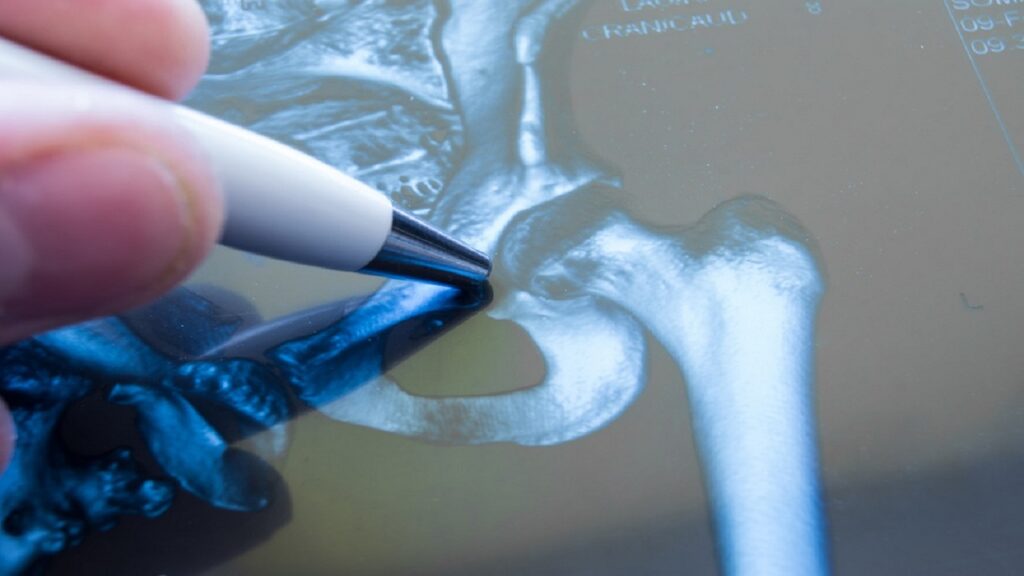
We exist in an aging world. Even so, many individuals are unwilling to discuss aging. Members of this elderly patient demographic, however, confront unique – and frequently preventable – health concerns, such as falls that result in hip fractures. Adequate understanding and discussions on healthy living are critical for preventing these unpleasant, potentially lethal injuries. Hip fractures among individuals over the age of 60 are frequently related to weakened bone due to osteoporosis, smoking, or continuous use of steroid drugs or alcohol. Most fractures are induced by a ground-level fall, which means the individual was standing with both feet on the ground when they fell.In cases of severe fractures, consulting an experienced Hip Replacement Surgeon In Pune is essential for timely diagnosis. Typically, the major factors are: Pets: Patients could trip over the household cat, which they were unaware of, or they might stumble while walking their dog. Moving in darkness or when sleepy: To avoid disturbing their partner, some individuals attempt to walk to the bathroom in the dark of night without a light, tripping over things on the floor. Curbs, stairs, and carpets: As we age, our stride shortens, making it possible to trip over minor, stationary impediments easily. Smartphones have not yet helped the situation either, as more individuals fall while walking while staring at their phones. Most hip fractures develop in the upper thigh, or femur bone, and necessitate surgery. Sometimes, patients attempt to endure the pain rather than seek urgent medical care – even if they are unable to bear weight. Delays in treatment might result insignificant, even dangerous, consequences. Every patient who has suffered a hip fracture as a result of a fall should have it repaired within 24-48 hours. Any individuals 60 and older with ground-level fall fractures are immediately treated in our orthopedic department at ONP Hospital. Based on the area of the fracture, our orthopedic surgeons can replace the entire hip, a portion of the hip, or put a permanent rod inside the bone. While recovery is not without pain, the degree of pain and difficulties is significantly reduced following rapid treatment. FAQ’s 1. Why do hip fractures require immediate treatment? Hip fractures require immediate treatment because delays can lead to serious complications such as blood clots, infections, loss of mobility, and increased mortality risk, especially in older adults. 2. What are the common causes of hip fractures? The most common causes include falls, osteoporosis, weakened bones, aging, certain medications, and underlying health conditions that affect bone strength. 3. What are the symptoms of a hip fracture? Symptoms may include severe hip or groin pain, inability to bear weight, difficulty walking, swelling, bruising, and shortening or outward turning of the affected leg. 4. When is hip replacement surgery needed for a hip fracture? Hip replacement surgery in Pune may be recommended when the fracture severely damages the hip joint or when repairing the bone alone is unlikely to provide optimal function and mobility. 5. How can a Hip replacement surgeon in Pune help? A skilled Hip replacement surgeon in Pune can assess the severity of the fracture, recommend the most suitable treatment approach, perform surgery when required, and guide patients through rehabilitation. 6. What is the recovery time after hip replacement surgery? Recovery varies by patient, but most individuals can begin walking with assistance within a few days and continue improving over several weeks to months with physical therapy. 7. Who is the right Hip Replacement Doctor in Pune for treatment? The ideal Hip Replacement Doctor in Pune should have extensive experience in joint replacement procedures, access to advanced surgical techniques, and a strong track record of successful patient outcomes. 8. Can hip fractures be prevented? Yes. Maintaining bone health through adequate calcium and vitamin D intake, regular exercise, fall prevention measures, and osteoporosis management can significantly reduce the risk of hip fractures. 9. What happens if a hip fracture is left untreated? Untreated hip fractures can lead to chronic pain, permanent disability, complications from prolonged immobility, and a higher risk of life-threatening health issues. 10. Are older adults more likely to experience hip fractures? Yes. Older adults are at a greater risk due to age-related bone loss, reduced balance, muscle weakness, and a higher likelihood of falls. Our Gallery Visit Our Hospital Related Blogs Ensuring Safety and Security: Robotic The field of medicine has been witnessing remarkable advancements over the years, and one of… Read More When Should You Consult a As you become older, aches and pains may become more common, but that doesn’t always… Read More Why Do Hip Fractures Necessitate We exist in an aging world. Even so, many individuals are unwilling to discuss aging…. Read More