
Importance of Regular Health Checkups for Every Age Group

Importance of Regular Health Checkups for Every Age Group Imagine your body is like a car. If you never check it, never clean it, and never fix small problems, one day it can suddenly stop working. That is why we go for servicing, right? In the same way, our body also needs regular checkups. These are called health checkups. They help doctors see if everything inside our body is working properly. Let’s understand this in a very simple and easy way. What is a Health Checkup? A health checkup is when you go to a doctor even if you are not sick. The doctor checks your body using simple tests like: Blood test Blood pressure check Heart check Weight and height It is like a full body report card. Why Are Regular Health Checkups Important? 1. Find Problems Early Sometimes diseases grow slowly and silently. You may not feel anything at first. For example: Sugar (diabetes) BP (blood pressure) Heart problems Regular checkups help doctors find these early. Early detection = easy treatment 2. Save Money If you catch a disease early, treatment is cheaper. If you ignore it: More tests More medicines Bigger hospital bills So yes, checkups actually save money 3. Stay Healthy and Active When you know your health is good, you feel happy and confident. You can: Play Work Travel Enjoy life 4. Build Good Habits Doctors also guide you about: Healthy food Exercise Sleep So you don’t just treat illness—you prevent it! Importance for Different Age Groups Let’s break it down by age For Children (0–15 years) Kids grow very fast. Their body needs regular checking. Why checkups are important: To track growth (height, weight) To check nutrition To give vaccines To detect early health issues If a child is weak or not growing properly, early checkups help fix it quickly. For Teenagers (16–25 years) Teenagers feel they are always strong, but this is also a risky time. Why checkups are important: Hormone changes Stress and anxiety Poor eating habits Screen time problems Doctors can guide them to stay fit and mentally strong. For Adults (26–45 years) This is the busy life stage: Job Family Stress People often ignore their health here. Common problems: BP Diabetes Weight gain Regular checkups help manage these before they become serious. Choosing the Best Multispeciality hospital in Pune ensures all tests and specialists are available in one place. For Older Adults (45+ years) As age increases, the body becomes weaker. Common risks: Heart disease Joint pain Eye problems Bone weakness Regular checkups help: Monitor health Adjust medicines Improve quality of life What Happens During a Checkup? Don’t worry, it’s not scary Usually includes: Talking to doctor Basic tests Sometimes scans Doctors may also give advice like: Eat less sugar Walk daily Sleep better How Often Should You Go? Simple rule: Kids → Once a year Adults → Once a year 40+ → Every 6 months If you already have a problem, the doctor may ask for more frequent visits. Why Choose a Good Hospital? Not all hospitals are the same. A good hospital: Has experienced doctors Has modern machines Gives quick reports Provides proper guidance That’s why many people prefer theONP hospital for regular health checkups. Role of Multispeciality Hospitals A multispeciality hospital means: Many doctors under one roof Example: Heart doctor Bone doctor Child doctor Skin doctor So if one issue is found, you don’t have to go anywhere else. This is why choosing the best Multispeciality hospital such as ONP Hospital is very helpful. Real-Life Example (Simple Story) Let’s say Ravi felt completely fine. He never went for checkups. One day, he suddenly felt dizzy. When he went to the doctor, they found: High BP High sugar If he had done regular checkups, he could have controlled it early. Now he needs more medicine and care. Moral of the story: Don’t wait for symptoms. Go early! Common Mistakes People Make I feel fine, so I don’t need a checkup . I am too busy.It’s expensive But the truth is: Prevention is better than cure Health is more important than anything Simple Tips to Stay Healthy Along with checkups: Drink more water Eat fruits and vegetables Exercise daily Sleep well Avoid junk food Final Thoughts Your body is your best friend Take care of it before it gives you problems. Regular health checkups: Keep you safe Save money Help you live longer Whether you are a child, adult, or elderly person, health checkups are important for everyone. So next time, don’t delay. Visit a trusted place like the ONP hospital in Pune and take that small step towards a healthier life.
First Trimester Care: What Every Expecting Mother Should Know

First Trimester Care: What Every Expecting Mother Should Know Pregnancy frequently feels most uncertain during the first trimester. All the tests are positive, and the body’s appearance remains unchanged. Many women choose ONP for their prenatal, postnatal, and delivery services, because the doctors and staff help them to address any problems and pregnancy symptoms during that period. Some women have discomfort one day and comfort the next day. There are always questions, but the answers are not always obvious. First-trimester care is really very important for your pregnancy. That is why mothers have to focus on their health and bodies. What Many Women Experience Early In the first few weeks, tiredness is very common. Even simple tasks feel heavy. There are types of symptoms that some women feel nausea only in the morning or only in the evening, and some feel it all day. There are also other types of symptoms. such as a smell that suddenly feels unpleasant. Food choices change without warning. These symptoms differ from person to person and usually settle with time. Why Seeing a Doctor Early Helps Some women wait before visiting a hospital because there is no pain or bleeding. Early visits help confirm pregnancy properly and rule out basic concerns. At ONP Hospital, Best Maternity Hospital for Normal Delivery in Pune, many expecting mothers come mainly to ask questions they feel unsure about. Early guidance often brings reassurance and clarity. Eating Becomes Different In early pregnancy, appetite is unpredictable. Large meals may not feel comfortable. Small meals spaced throughout the day are often easier. Home cooked food suits the stomach better than spicy or outside food. Doctors usually advise folic acid at this stage because it supports early development. Rest Is Not Optional Feeling tired does not mean weakness. The body is adjusting internally. Rest helps, Sleep when possible. Avoid alcohol, smoking, and medicines unless advised. Light walking is usually fine. Heavy workouts are better avoided unless recommended. Basic Tests and Checks Doctors at the maternity hospital in PCMC may suggest blood tests and an early scan. These checks help understand pregnancy progress and calculate dates. They also help plan future care calmly, without hurry. When Not to Wait If you are feeling severe abdominal pain, and there is little spotting or heavy bleeding, and if you are suffering from fever or sudden weakness, it should not be ignored. You must go to your gynecologist. Medical advice should have been taken immediately in these types of conditions. Starting Slowly Is Enough The first trimester is not about doing everything right. The first trimester is all about resting a lot, eating simple food, staying in shape, and asking questions. With the help of proper support and haaregular follow up with your gynec most pregnancy is moving forward smoothly.
What Should I Do If I Have a High-Risk Pregnancy?
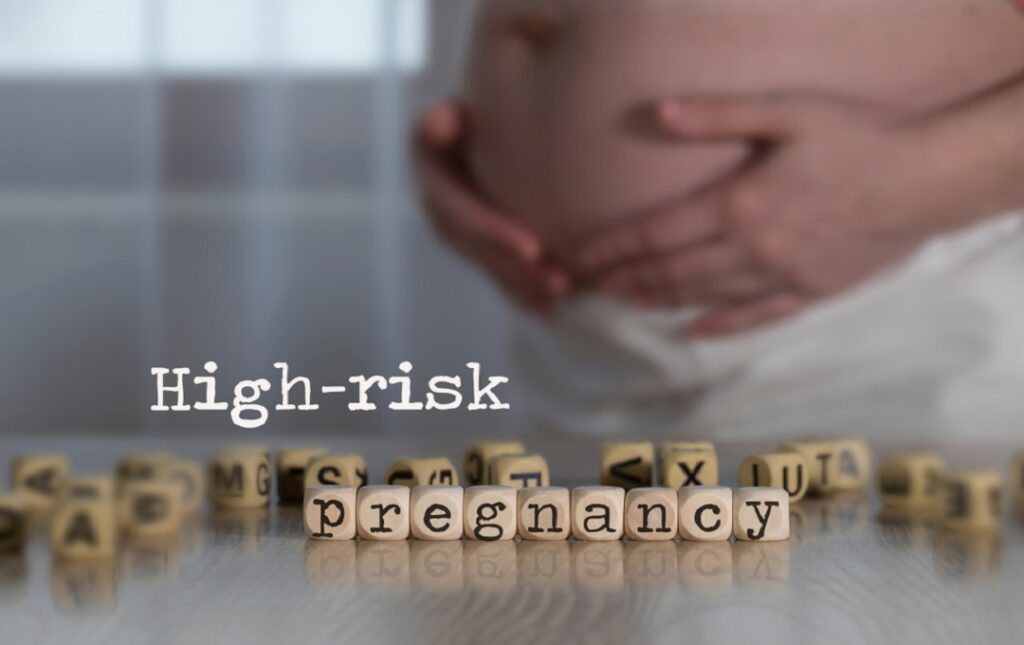
Once your doctor has informed you that your pregnancy is a high risk, you’re certainly worried and have a lot of questions. Your initial step must be to compile a list of questions and schedule a consultation with your doctor to address your concerns. In the event of a high-risk pregnancy, consider asking your doctor the following questions : What Factors Contribute to The High Risk of My Pregnancy ? Pregnancy can be classified as high-risk due to a variety of causes. Being under the age of 17 or over the age of 35; having a severe health condition such as diabetes, high blood pressure, epilepsy, kidney disease, or an autoimmune disorder such as lupus; being pregnant with more than one baby; issues with a previous pregnancy or having three or more miscarriages; carrying a baby with a genetic disorder such as Down syndrome; certain infectious diseases; and taking certain prescription drugs are among these factors. Will, I Require the Assistance of Any Specialists ? Your doctor may refer you to a perinatologist or maternal-fetal medicine expert depending on the reasons that make your pregnancy high-risk. Such obstetricians offer expertise in caring for high-risk moms and fetuses, and they receive three years of advanced training in managing pregnancy issues. According to studies, when women with pregnancy disorders are treated by these experts, the results are better both for the baby and the mother. A geneticist may also be referred to you. Is There Anything I Can Do To Reduce The Dangers of My Pregnancy? Your doctor might suggest you make modifications to your diet and/or activity level, as well as make efforts to manage any chronic diseases. Are There Any Tests I’ll Need To do Besides The Regular Prenatal Screenings? Your doctor might suggest further lab, imaging, and genetic testing to monitor your health and the health of your baby, depending on what circumstances make your pregnancy high-risk. You would also visit your doctor for prenatal checks more regularly than in a typical pregnancy. What Symptoms Can Point To an Issue With My Pregnancy, and Which Signs Should Prompt Me to Seek Immediate Care? Discuss with your doctor what symptoms to look out for, when to contact your doctor, and then when to go to the urgent care. How Can I Cope With My Stress and Anxiety? While discovering that your pregnancy is high-risk is going to make you nervous, do everything you can to reduce your stress. Your doctor might propose a high-risk pregnancy support group or link you with a mental health professional. Consider adopting anxiety-reduction approaches such as meditation and breathing exercises.