
Finding the Best Knee Surgeon in Pune: What Actually Matters Before You Decide on Surgery
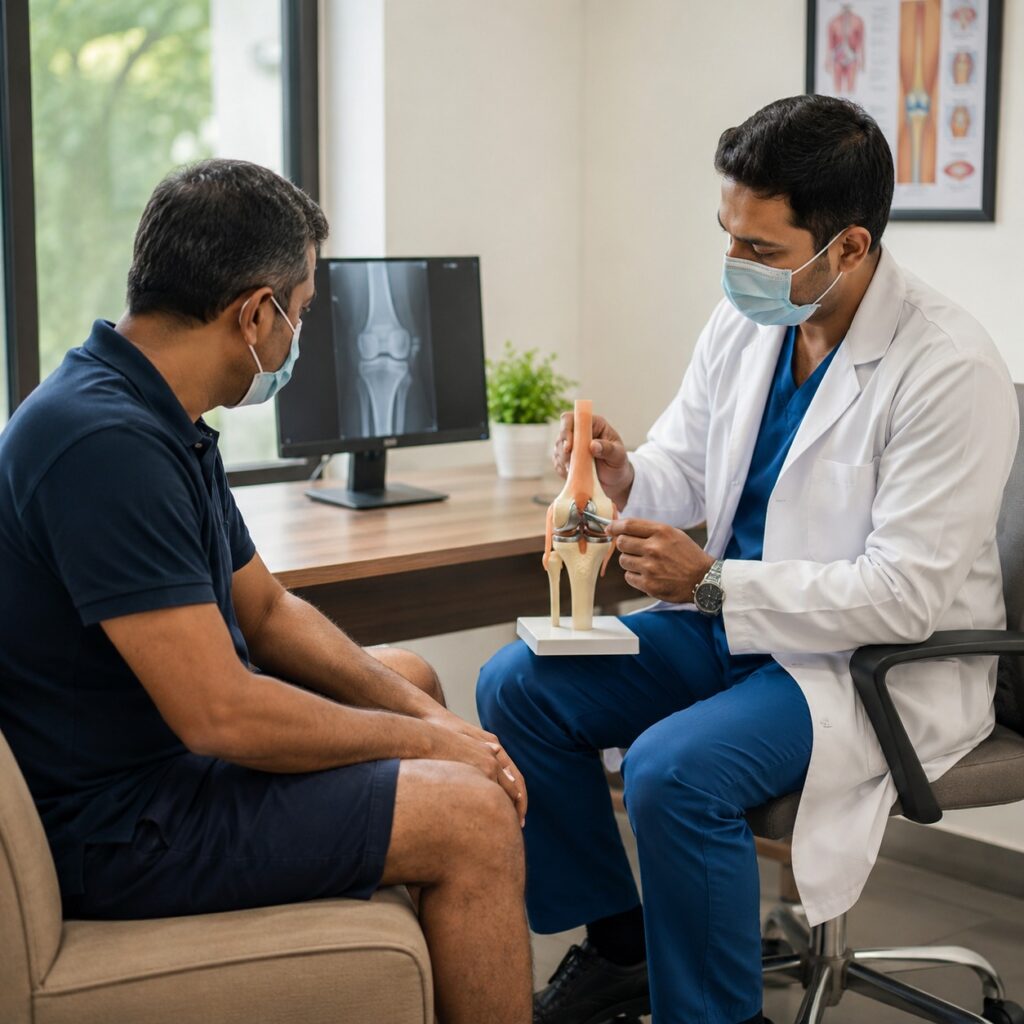
Nobody wakes up one day and decides to look for a knee surgeon. It builds slowly. First it’s just a bit of stiffness getting out of bed. Then stairs start to feel like a small event instead of something you climb without thinking. Somewhere along the way, you try the usual things: a hot compress, a painkiller from the chemist, maybe a physiotherapist your neighbour recommended. It helps, for a while. Then one morning it doesn’t, and that’s usually when people finally start typing Best Knee surgeon in Pune into Google not because they’ve decided on surgery, but because they want someone to tell them what’s actually going on. That’s the honest starting point for most patients. And it’s also where things get confusing, because Pune has no shortage of hospitals claiming the city’s finest orthopedic team. Every website sounds confident, every doctor’s profile reads well. So how do you actually separate a doctor who’s right for you from one who just has a better marketing budget? It’s the Doctor, Not the Building People sometimes forget that a hospital’s lobby or its fancy website doesn’t operate on your knee. A person does. And that person’s judgment, more than anything else, decides whether you walk out six months later feeling like yourself again, or still limping and wondering what went wrong. So when someone’s really searching for the Best Knee Replacement Doctor In Pune, they’re rarely asking “who’s the most famous name in town.” What they actually mean is closer to: will this person examine me properly, listen when I describe what hurts, and be honest even if the honest answer is “you don’t need surgery yet”? You Can Tell a Lot in the First Fifteen Minutes Some consultations feel rushed, a quick look at your X-ray, a nod, a recommendation before you’ve even finished describing your symptoms. Others feel different. The doctor actually checks how your knee bends, asks where exactly it hurts and when, and takes the time to go through your scans instead of glancing at them. And a good surgeon will usually bring up alternatives before jumping straight to surgery. Not every painful knee needs a replacement. Plenty of people manage well for years with physiotherapy and a few lifestyle changes. Others have reached a point where the joint is genuinely too worn out and surgery is the more sensible path forward. A doctor worth trusting tells you, plainly, which one applies to you instead of steering you toward whichever option sounds more advanced. Knee Replacement Isn’t Just One Kind of Surgery This surprises a lot of patients when they first hear it. If the damage has spread across the whole joint, a total knee replacement usually makes sense. If it’s limited to just one side, often the inner or outer part of the knee, a partial replacement can leave the healthy portion untouched. And in some cases, robotic-assisted surgery helps place the implant with a bit more precision than the human eye alone can manage. None of these is “better” in some universal sense. It genuinely depends on your knee. This is where an experienced Best Knee Replacement Doctor in Pune actually earns that reputation not by recommending the newest technology to every single patient, but by matching the right procedure to the right person. If a doctor suggests one approach over another, it’s completely fair to just ask why. A good one won’t mind explaining. What Happens After Surgery Matters Just as Much Here’s something people don’t always think about beforehand: a surgery can go perfectly well technically and the patient can still end up disappointed, simply because the weeks after weren’t managed properly. Pain control, physiotherapy, guidance on movement, regular follow-ups all of it matters as much as what happens on the operating table. The patients who bounce back well are usually the ones who knew, right from day one, what their first six weeks would actually look like. Not vague reassurance, an actual plan. So before choosing where to go, it’s worth simply asking: what does recovery look like here? A confident, specific answer tells you more than any brochure ever will. A Few Practical Things Worth Checking If you’re trying to narrow down the Best Knee surgeon in Pune for your own situation, here’s what’s actually worth checking, beyond star ratings online has the doctor handled cases like yours before, are they honest about when robotic assistance genuinely helps versus when it’s just an upgrade being offered, is there a real recovery plan laid out, and does the consultation feel like an actual conversation rather than a script. At ONP Hospitals in Pune, this is more or less how the process works: a proper physical exam, careful review of your scans, and a straightforward conversation about whether you need replacement, partial replacement, or simply better non-surgical care, before any decision gets made. Frequently Asked Questions 1. How do I know if I need surgery or just physiotherapy? You can’t really tell from symptoms alone it depends on how far the joint damage has progressed. That needs a proper exam and a look at your scans, which is exactly what the first consultation is for. 2. Is robotic knee replacement necessary for everyone? Not at all. It helps with precision, especially in more complicated cases, but plenty of patients don’t need it. A good surgeon will tell you honestly whether it makes a real difference for you. 3. How long does recovery usually take? Most people start physiotherapy within days of the surgery and keep improving steadily over the following weeks. Getting back real strength and confidence in the knee usually takes a few months, depending on age, general health, and how consistently physiotherapy is followed. 4. What should I bring to my first consultation? Old X-rays or MRI reports if you have them, a list of whatever medicines you’re currently on, and a clear sense of when the pain started and what makes it worse. It genuinely helps the doctor understand