
Fever in Children: When is it Serious?

Alright, let’s not make this complicated. Your child feels warm and suddenly everything in your head goes into overdrive. You check once then again then you’re staring at the thermometer like it’s going to give you life advice. Should you wait? Call someone? Run to the best pediatrician in Pune? Yeah, we’ve all been there. The thing is fever in kids is very common. What messes with your head is not knowing whether it’s something small or something you shouldn’t ignore. What is a Fever, Really? Let’s strip it down.Fever just means the body is reacting to something usually an infection. It heats up to fight it. That’s it. So technically, it’s not the villain here. It’s more like the body’s defense mode. Normal is around 98.6°F. Once it goes above 100.4°F, it’s called a fever. But honestly, don’t obsess over the number. I know it’s hard but the way your child is acting tells you way more. Common Reasons Children Get Fever Kids pick up things easily. That’s just how it goes. Most fevers are because of simple stuff viral infections, cold, flu. Sometimes it’s throat or ear infections. Sometimes even vaccines can cause a slight fever. And then there’s Pune weather which can’t seem to make up its mind. That alone is enough to trigger half these fevers. So yeah, it’s normal. When Fever is Usually Not Serious Here’s the part most parents need to hear. If your child is still a little active, responding to you, drinking fluids, maybe eating less but not completely refusing chances are, it’s okay. A mild fever for a day or two usually settles.Try not to keep checking the temperature every hour. It’ll only stress you out more. Just keep an eye on your child. And if you’re still unsure, no harm in checking with the Best Pediatrician in Pune. Sometimes you just want someone to say, “It’s fine.” Signs That You Should Not Ignore Now, this is where you stop waiting. If the fever is very high, doesn’t go away after a few days, or your child feels off like really off, too sleepy, not responding, not drinking anything that’s your signal. Add things like breathing trouble, repeated vomiting, rashes, or a seizur don’t think twice. Just go to the Best pediatrics hospital in Pune and get it checked. Age Matters: Fever in Different Age Groups With newborns, even a small fever is taken seriously. No waiting around.With older babies, you still need to watch closely especially feeding and alertness. Older kids handle it better, but still if they don’t seem like themselves, trust that. Febrile Seizures: What Parents Should Know This one can really scare you. Sometimes fever shoots up quickly and kids can have a seizure. It looks bad no way around that.But most of the time, it doesn’t cause long-term problems. Still, don’t sit at home trying to figure it out. If it happens, go straight to the Best pediatrics hospital in Pune. How to Manage Fever at Home Keep it simple. Light clothes Fluids Rest That’s most of it.If needed, you can give paracetamol but don’t guess the dose. If you’re unsure, just check with the best pediatrician in Pune.Lukewarm sponging helps too. Not cold water. Sounds basic, but people still get this wrong. Things Parents Should Avoid When panic hits, people try everything.Ice water, layering clothes, random medicines or worse, ignoring it thinking it’s “just fever.”None of that helps.Simple care works better than overdoing things. Seasonal Fevers in Pune If you’ve lived here long enough, you’ll notice the pattern.Monsoon = viral + mosquito stuff.Winter = flu.Random weather change = someone gets sick.So if fever comes with body pain, rash, or weakness during these times, don’t brush it off. Why Choosing the Right Doctor Matters Most fevers are harmless. But a few aren’t and those are the ones you don’t want to miss.Sometimes it starts off like a regular fever and turns into dengue or typhoid.That’s why having access to the best pediatrician in Pune matters. You get clarity early. And if things get serious, the best pediatrician gives you proper care without delay. FAQs 1) Is it okay to wait before giving medicine? Yeah, you can. You don’t have to react the second you see a fever. If your child is still a bit active, maybe slightly cranky but sipping water or milk, just give it some time and see how it goes. Sometimes that’s all you need to do. 2) How do I know if it’s serious? It’s not always about the number on the thermometer. It’s more about how your child looks overall. If they’re very dull, not eating, not really responding, or just feel “off” to you, that’s worth paying attention to. Most parents can sense when something isn’t right. 3) Can teething cause fever?Teething can make them feel a little warm, sure. But a proper fever? Not really. If it’s clearly high, it’s probably not just teething. 4)Should I wake my child for medicine?If they’re sleeping peacefully, I’d just let them be. Sleep helps more than we think. You can always check on them in between, but waking them up just for medicine isn’t usually needed.When should I go to the hospital? 5)When should I go to the hospital?If the fever isn’t settling, starts getting quite high, or you notice things like vomiting, breathing trouble, or your child just not acting like themselves at all don’t keep waiting. That’s a good time to get them checked at the best pediatrics hospital in Pune. Final Thoughts Fever feels bigger than it actually is.Most of the time, it passes. Kids bounce back faster than we expect. The hard part is staying calm and not overthinking every small change. Trust your gut. You’ll know when something’s not right. If your child has a fever and you’re stuck in that loop of “wait or go?”, don’t sit there stressing.A quick visit to the best pediatrician in Pune can clear things up. And if something
Why IVF Fails? 7 Hidden Reasons You Must Know

You do everything right. Pick a good clinic, follow every instruction, stay hopeful and then IVF still doesn’t work. That moment hits differently. It’s frustrating, confusing, and honestly a bit exhausting too. But here’s something people don’t say enough IVF failure is more common than most think. And in a lot of cases, there are actual reasons behind it. Once you understand those, the next attempt isn’t just “trying again” it’s trying smarter in our ivf specialist in Pune. IVF is usually the step couples take when nothing else seems to be working. It comes with a lot of hope attached to it. That’s why people look for an ivf centre in Pune they just want to give it the best possible shot.But sometimes, even after doing everything right, it doesn’t work. And the first question that comes up is always the same Why? On paper, IVF sounds simple. Combine egg and sperm, form embryo, place it back. Done. But in real life, it’s a chain of small, sensitive steps where everything has to line up. And if even one thing is off, it can affect the result. Let’s break down what usually goes on behind the scenes. 1. Poor egg qualityIt’s not just about having eggs. It’s about how good they are.With age, egg quality naturally goes down. That affects how strongly the embryo develops later. So even if fertilization happens, things may not move forward the way they should. 2. Sperm issuesA lot of people still think IVF is mostly about the woman’s side. It really isn’t.Sperm plays an equal role. If the sperm is weak, slow, or not shaped properly, it can affect fertilization and embryo quality. Both partners matter here, not just one side. 3. Embryo not developing wellEven when fertilization happens, the story doesn’t always continue smoothly.Some embryos just stop growing after a few days. It can be due to genetic reasons or underlying egg and sperm quality. And without a strong embryo, implantation becomes difficult. 4. Uterus-related issuesThe uterus is where everything needs to settle and grow, so even small issues here matter.Things like fibroids, polyps, or a thin lining can make it harder for the embryo to implant properly. That’s why doctors usually check the uterus carefully before transfer. 5. Hormone imbalanceHormones quietly control the whole IVF process—from egg development to implantation.If even one hormone is off, it can disturb the timing or response of the body. It’s subtle, but it matters a lot more than people realize. 6. Lifestyle habitsThis is where a lot of people unintentionally slip.Smoking, alcohol, poor sleep, junk food, constant stress—it all adds up. Not overnight, but gradually. And during IVF, the body needs to be in its best possible condition. 7. Stress and emotional pressureIVF is not just a medical process. It’s an emotional rollercoaster.The waiting, the hope, the overthinking it all builds up. And while stress alone may not cause failure, it definitely doesn’t help the body stay balanced during such a sensitive process. What actually helps going forward Nothing complicated, honestly. Just getting the basics right. Eating better, sleeping properly, cutting down on smoking or alcohol if applicable, staying a bit active, and trying not to let stress take over everything. And most importantly, actually following your doctor’s plan step by step instead of guessing or changing things on your own.Small things, but they do matter. FAQs 1) Is IVF failure common?Yes, it is. Many couples don’t succeed in the first attempt, and that’s more normal than people expect. 2) Can IVF work after failure?Yes. A lot of times it does, especially once the previous cycle is properly reviewed and adjusted. 3) Does age affect IVF success?Yes, especially because egg quality changes with age, and that plays a big role. 4)How can I improve my chances next time?Fix lifestyle basics, reduce stress, and most importantly, work with a doctor who reviews your previous cycle in detail. 5)Should I change my doctor after a failed IVF?Not always. But if something feels unclear or not properly explained, getting a second opinion helps. Conclusion A failed IVF cycle feels like everything has stopped for a moment. But most of the time, it hasn’t with the ivf specialist in Pune There’s usually a reason behind it, and once you understand that reason, the next step becomes clearer. Many couples do go on to have successful pregnancies after earlier failures. One failed cycle doesn’t mean it’s over .If IVF didn’t work, it doesn’t automatically mean it won’t ever work.What matters now is figuring out why it didn’t. That’s where real progress happens. Talk to your doctor again. Ask questions. Get things reviewed properly instead of just repeating the same process blindly. Connect with an experienced and visit to the best ivf centre in Pune and plan the next step with a clearer approach. Because this isn’t the end of the journey you just need a better understanding before the next attempt.
Benefits of Robotic Knee Replacement: Why Patients Prefer It
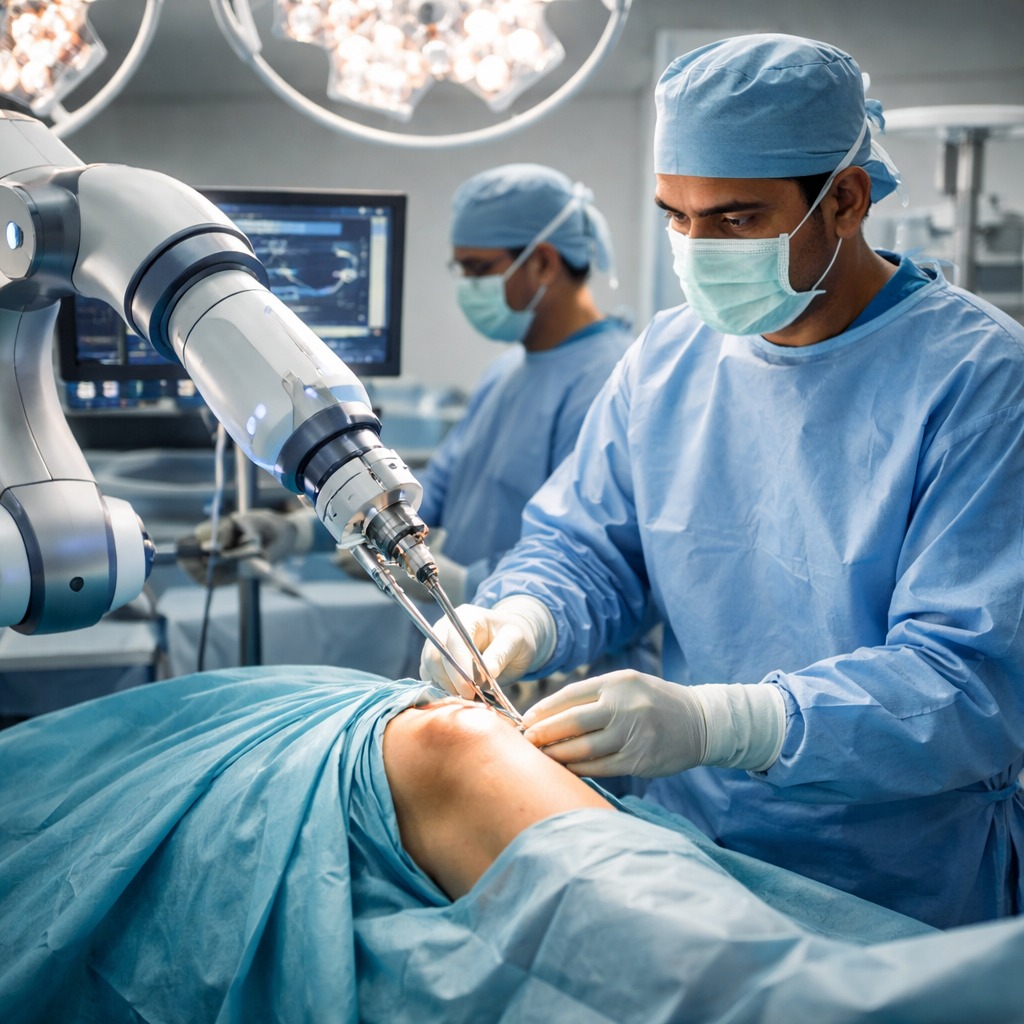
What if a machine could help doctors perform knee surgery with perfect accuracy? Sounds interesting, right? That’s exactly what robotic knee replacement does. It combines the skill of a surgeon with the precision of technology to give patients better results and a quicker return to normal life. What is Robotic Knee Replacement? Robotic knee replacement is a surgery where the doctor uses a special robotic system to help replace the damaged knee joint.Don’t worry—the robot does NOT work on its own. The surgeon is always in full control. The robot only helps the doctor perform the surgery with more accuracy. Why is Knee Replacement Needed? Our knee joint works like a hinge. Over time, the joint can wear out due to: Osteoarthritis (most common reason) Injury or accident Old age Excess weight When the knee is badly damaged, the doctor replaces it with an artificial joint so you can move without pain. Benefits of Robotic Knee Replacement Let’s look at why this modern surgery is becoming so popular. 1. More Accuracy One of the biggest benefits is high accuracy.In traditional surgery, doctors use their experience and manual tools. But with robotic technology, the system gives a 3D view of your knee. This helps the doctor: Plan the surgery better Place the implant in the exact position Avoid mistakes 2. Less Pain After SurgeryPatients often worry about pain after surgery. But with robotic knee replacement: The cuts are more precise Less damage to surrounding tissues Reduced pain after surgery 3. Faster RecoveryBecause the surgery is precise and less invasive: Patients can walk sooner Hospital stay is shorter Daily activities can start earlier 4. Better Joint FunctionRobotic surgery helps in perfect alignment of the knee joint. This means: Natural movement of the knee Better bending and flexibility Feels more like your real knee 5. Long-Lasting ResultsSince the implant is placed very accurately: Less wear and tear Better balance in the joint Longer life of the implant 6. Lower Risk of ComplicationsWith improved precision: Less blood loss Lower risk of infection Fewer chances of errors 7. Customized Surgery for Every PatientEvery person’s knee is different. Robotic technology allows doctors to: Study your knee before surgery Create a personalized plan Adjust the procedure according to your body Why Patients Prefer Robotic Knee Replacement Now let’s understand why more and more patients are choosing this modern method. 1. Trust in Advanced TechnologyPeople feel more confident when advanced machines are used. Robotic systems provide: Detailed planning Real-time feedback during surgery High precision 2. Better Results Compared to Traditional SurgeryMany patients who compare both options choose robotic surgery because: Recovery is faster Pain is less Movement is smoother 3. Short Hospital StayNobody likes staying in the hospital for long. With robotic knee replacement: Hospital stay is usually shorter Patients can go home early Less stress for family 4. Quick Return to Normal LifePatients want to get back to their routine as soon as possible. Robotic surgery helps in: Faster walking Early return to work Better quality of life 5. Recommended by ExpertsMany experienced doctors now suggest robotic surgery because of its benefits.If you are looking for the best Robotic knee replacement surgeon in Pune, make sure the doctor has good experience with robotic systems. Choosing the Right Doctor and Hospital Getting the surgery is important, but choosing the right place is even more important. 1. Experienced SurgeonAlways look for a skilled and experienced doctor. A good robotic knee replacement doctor in Pune will: Explain everything clearly Have experience with robotic surgeries Provide proper care before and after surgery 2. Advanced Hospital FacilitiesChoose a hospital that has: Latest robotic technology Good operation theatre setup Proper post-surgery care You can search for the Best Robotic Knee Hospital in Pune to get the best treatment. 3. Patient ReviewsCheck what other patients are saying. Positive reviews can help you trust the doctor and hospital. Is Robotic Knee Replacement Right for Everyone? Robotic knee replacement is helpful for many people, but not everyone needs it. Your doctor will decide based on: Your age Condition of your knee Overall health Simple Example to Understand Think of your knee like a door hinge. In traditional surgery, it’s like fixing the hinge by hand. In robotic surgery, it’s like using a precise machine to fix it perfectly. Final Thoughts Robotic knee replacement is a big step forward in medical science. It offers: Better accuracy Less pain Faster recovery Long-lasting results That’s why many patients today are choosing this modern method over traditional surgery.If you or your loved one is suffering from severe knee pain, it’s a good idea to explore this option. Just make sure you choose the Robotic knee replacement surgeon in Pune, consult a trusted doctor in Pune, and select the best Robotic knee hospital in Pune for safe and effective treatment.Your knees carry you every day—take care of them with the best options available.
Importance of Regular Health Checkups for Every Age Group

Imagine your body is like a car. If you never check it, never clean it, and never fix small problems, one day it can suddenly stop working. That is why we go for servicing, right? In the same way, our body also needs regular checkups. These are called health checkups. They help doctors see if everything inside our body is working properly. Let’s understand this in a very simple and easy way. What is a Health Checkup? A health checkup is when you go to a doctor even if you are not sick. The doctor checks your body using simple tests like: Blood test Blood pressure check Heart check Weight and height It is like a full body report card. Why Are Regular Health Checkups Important? 1. Find Problems Early Sometimes diseases grow slowly and silently. You may not feel anything at first. For example: Sugar (diabetes) BP (blood pressure) Heart problems Regular checkups help doctors find these early. Early detection = easy treatment 2. Save Money If you catch a disease early, treatment is cheaper. If you ignore it: More tests More medicines Bigger hospital bills So yes, checkups actually save money 3. Stay Healthy and Active When you know your health is good, you feel happy and confident. You can: Play Work Travel Enjoy life 4. Build Good Habits Doctors also guide you about: Healthy food Exercise Sleep So you don’t just treat illness—you prevent it! Importance for Different Age Groups Let’s break it down by age For Children (0–15 years) Kids grow very fast. Their body needs regular checking. Why checkups are important: To track growth (height, weight) To check nutrition To give vaccines To detect early health issues If a child is weak or not growing properly, early checkups help fix it quickly. For Teenagers (16–25 years) Teenagers feel they are always strong, but this is also a risky time. Why checkups are important: Hormone changes Stress and anxiety Poor eating habits Screen time problems Doctors can guide them to stay fit and mentally strong. For Adults (26–45 years) This is the busy life stage: Job Family Stress People often ignore their health here. Common problems: BP Diabetes Weight gain Regular checkups help manage these before they become serious. Choosing the Best Multispeciality hospital in Pune ensures all tests and specialists are available in one place. For Older Adults (45+ years) As age increases, the body becomes weaker. Common risks: Heart disease Joint pain Eye problems Bone weakness Regular checkups help: Monitor health Adjust medicines Improve quality of life What Happens During a Checkup? Don’t worry, it’s not scary Usually includes: Talking to doctor Basic tests Sometimes scans Doctors may also give advice like: Eat less sugar Walk daily Sleep better How Often Should You Go? Simple rule: Kids → Once a year Adults → Once a year 40+ → Every 6 months If you already have a problem, the doctor may ask for more frequent visits. Why Choose a Good Hospital? Not all hospitals are the same. A good hospital: Has experienced doctors Has modern machines Gives quick reports Provides proper guidance That’s why many people prefer the ONP hospital for regular health checkups. Role of Multispeciality Hospitals A multispeciality hospital means: Many doctors under one roof Example: Heart doctor Bone doctor Child doctor Skin doctor So if one issue is found, you don’t have to go anywhere else. This is why choosing the Best Multispeciality hospital such as ONP Hospital is very helpful. Real-Life Example (Simple Story) Let’s say Ravi felt completely fine. He never went for checkups. One day, he suddenly felt dizzy. When he went to the doctor, they found: High BP High sugar If he had done regular checkups, he could have controlled it early. Now he needs more medicine and care. Moral of the story: Don’t wait for symptoms. Go early! Common Mistakes People Make I feel fine, so I don’t need a checkup .I am too busy.It’s expensive But the truth is: Prevention is better than cure Health is more important than anything Simple Tips to Stay Healthy Along with checkups: Drink more water Eat fruits and vegetables Exercise daily Sleep well Avoid junk food Final Thoughts Your body is your best friend Take care of it before it gives you problems. Regular health checkups: Keep you safe Save money Help you live longer Whether you are a child, adult, or elderly person, health checkups are important for everyone.So next time, don’t delay. Visit a trusted place like the ONP hospital in Pune and take that small step towards a healthier life.
First Trimester Care: What Every Expecting Mother Should Know

First Trimester Care: What Every Expecting Mother Should Know Pregnancy frequently feels most uncertain during the first trimester. All the tests are positive, and the body’s appearance remains unchanged. Many women choose ONP for their prenatal, postnatal, and delivery services, because the doctors and staff help them to address any problems and pregnancy symptoms during that period. Some women have discomfort one day and comfort the next day. There are always questions, but the answers are not always obvious. First-trimester care is really very important for your pregnancy. That is why mothers have to focus on their health and bodies. What Many Women Experience Early In the first few weeks, tiredness is very common. Even simple tasks feel heavy. There are types of symptoms that some women feel nausea only in the morning or only in the evening, and some feel it all day. There are also other types of symptoms. such as a smell that suddenly feels unpleasant. Food choices change without warning. These symptoms differ from person to person and usually settle with time. Why Seeing a Doctor Early Helps Some women wait before visiting a hospital because there is no pain or bleeding. Early visits help confirm pregnancy properly and rule out basic concerns. At ONP Hospital, Best Maternity Hospital for Normal Delivery in Pune, many expecting mothers come mainly to ask questions they feel unsure about. Early guidance often brings reassurance and clarity. Eating Becomes Different In early pregnancy, appetite is unpredictable. Large meals may not feel comfortable. Small meals spaced throughout the day are often easier. Home cooked food suits the stomach better than spicy or outside food. Doctors usually advise folic acid at this stage because it supports early development. Rest Is Not Optional Feeling tired does not mean weakness. The body is adjusting internally. Rest helps, Sleep when possible. Avoid alcohol, smoking, and medicines unless advised. Light walking is usually fine. Heavy workouts are better avoided unless recommended. Basic Tests and Checks Doctors at the maternity hospital in PCMC may suggest blood tests and an early scan. These checks help understand pregnancy progress and calculate dates. They also help plan future care calmly, without hurry. When Not to Wait If you are feeling severe abdominal pain, and there is little spotting or heavy bleeding, and if you are suffering from fever or sudden weakness, it should not be ignored. You must go to your gynecologist. Medical advice should have been taken immediately in these types of conditions. Starting Slowly Is Enough The first trimester is not about doing everything right. The first trimester is all about resting a lot, eating simple food, staying in shape, and asking questions. With the help of proper support and haaregular follow up with your gynec most pregnancy is moving forward smoothly.
Early Signs of Joint Problems You Should Not Ignore

Early Signs of Joint Problems You Should Not Ignore Joint problems usually do not announce themselves loudly. They start quietly. A little discomfort here. A little stiffness there. Most people continue their routine and adjust without realizing something is changing inside the joint. That is why it is necessary to see a medical solution. At ONP Hospital, the best orthopaedic Hospital in Pune, provides the best treatment for your joint pain and also assures to help you to regain your mobility easily. Pain That Appears Only Sometimes One early sign is pain that comes only after activity—walking longer than usual. Standing for too long, using stairs. The pain settles with rest, so it feels harmless. This on-and-off pain is often the first signal that a joint is under pressure. Morning Feels Different Than Before Some people notice their body feels stiff after waking up. Knees feel tight. Back feels heavy. It takes time to move comfortably. This stiffness is often blamed on age or sleep position. When it starts happening regularly, it should be taken seriously. Swelling Is Not Always Obvious Joint swelling does not always look dramatic. Sometimes it feels like tight skin or heaviness around the joint. Clothes or footwear may feel uncomfortable. Swelling usually means inflammation and should not be ignored, even if the pain is mild. Movements Slowly Reduce Flexibility reduces slowly. Squatting feels difficult. Sitting cross-legged becomes uncomfortable. Reaching overhead feels restricted. People change how they move instead of noticing the loss. This adjustment hides the real problem. Sounds and Weakness Clicking or cracking sounds during movement are common. When these sounds come with discomfort or weakness, they matter. Some people feel their knee may not support them properly, or their shoulder feels unstable. Why Early Medical Advice Helps Doctors at ONP Hospital often meet patients who waited years before seeking help for the best robotic joint replacement surgery in Pune. Early assessment helps slow joint damage. Simple steps taken early protect movement for the future. Do Not Wait for Severe Pain Joint problems rarely improve by waiting. Early signs are warnings. Paying attention early helps preserve comfort, strength, and mobility.
Common Gynecological Problems Women Often Ignore

Common Gynecological Problems Women Often Ignore In day-to-day hospital practice, many women come only after symptoms have stayed for a long time. Before that, they managed quietly. Some feel the problem will settle. Some feel it is not serious. Others simply do not get time. This delay is very common. Period Issues That Get Adjusted To Many women notice changes in their periods but continue their routine by visiting Best gynecologist in Pune. Cycles may become irregular. Bleeding may increase or reduce. Sometimes periods stop for months. Stress is often blamed. While stress does affect cycles, repeated changes should not be ignored for long. Pain That Slowly Becomes Normal Pain during periods is often accepted as normal. Some women take painkillers every month and plan work around pain days. Over time, this pain feels routine. In some cases, such pain is linked to fibroids or other conditions that need evaluation. Vaginal Changes That Are Kept Quiet Discharge, itching, or smell changes are common complaints. Many women hesitate to speak about these. Some try home remedies or over the counter medicines. When treatment is delayed, infections may return again and again. Urinary Complaints That Keep Coming Back Burning sensation while passing urine or frequent urge is often treated casually. Repeated infections are common. Sometimes these are linked to pelvic health and need proper assessment. Why Early Visits Make a Difference Doctors often see that problems are simpler when women come early. ONP Hospital, have a best Gynecologist in PCMC, many patients say they waited longer than they should have. Regular checkups help address concerns before they grow. Paying Attention Matters The body usually gives early signs. Ignoring them does not solve the issue. Seeking advice early brings relief and avoids stress later. Recent Posts First Trimester Care: What Every Expecting Mother Should Know First Trimester Care: What Every Expecting Mother Should Know Pregnancy … Early Signs of Joint Problems You Should Not Ignore Early Signs of Joint Problems You Should Not Ignore Joint … Understanding Recurrent Cough and Cold in Children: Causes, Prevention, and Treatment with Insights from Dr. Amita Phadnis Recurrent respiratory illnesses in children are a major source of … Winter Infections in Kids. Early Signs and Prevention Winter often brings small health troubles for children. Many parents … Probiotics for Children: When and Why It Matters Parents often hear the word probiotics but may not be … What happened inside NICU: A Parents’ Guide NICU is known as a neonatal Intensive Care unit where … Dealing with Frequent Stomach Upsets in Children The most common health problem in children is stomach upset, …
Understanding Recurrent Cough and Cold in Children: Causes, Prevention, and Treatment with Insights from Dr. Amita Phadnis

Recurrent respiratory illnesses in children are a major source of concern. Lost sleep for parents is also a significant issue. To better understand these persistent problems we turn to Dr. Amita Phadnis. She is renowned pediatrician. Dr. Phadnis offers expertise on the causes. She provides insights. These insights focus on prevention. Treatment of recurrent cough and cold in children. Causes of Recurrent Cough and Cold: Weak Immune SystemA weakened immune system often stems from poor nutrition or underlying health conditions. This can make children more vulnerable. They are prone to infections. Ensuring a balanced diet rich in vitamins. Minerals is crucial.Allergies and AsthmaAllergic reactions to dust pollen, or pet dander can cause recurrent respiratory symptoms. Asthma is chronic condition. It frequently presents with a persistent cough and wheezing. Also this exacerbates the problem.Common Viral InfectionsChildren are highly susceptible to viral infections. Examples include Rhinovirus and Respiratory Syncytial Virus (RSV). These viruses are leading causes of cough and colds. Exposure in schools is frequent. Daycares also see high incidence rates. This increases likelihood of repeated infections. Underlying Health Conditions: Chronic conditions such as sinusitis or enlarged adenoids can contribute to frequent cough. Cold episodes exacerbate the issues. Dr. Phadnis recommends regular check-ups. This helps diagnose and manage these conditions effectively. Environmental Factors: Exposure to secondhand smoke air pollution and drastic weather changes can trigger recurrent respiratory issues in children. Dr Phadnis emphasizes the importance. Maintaining a clean and smoke-free environment is crucial. Symptoms and Diagnosis Common Symptoms:Recurrent cough. Runny nose. Nasal congestion sore throat. Fever. These are typical symptoms. Parents should monitor the duration. They should also observe the frequency. Parents should be attentive. Constant vigilance is necessary.When to See a Doctor:If symptoms persist for more than ten days or if child experiences difficulty breathing high fever, or wheezing. Medical attention is necessary. Dr. Phadnis advises prompt consultation. This helps prevent complications.Diagnostic Tests:A thorough medical history and physical examination are essential. In some cases chest X-rays are required. Allergy tests may also be necessary. Blood tests can be required too. These tests help identify underlying issues.Good Hygiene Practices:Teaching children proper handwashing techniques. Encourage the use of tissues. Use elbows when coughing or sneezing. This can reduce the spread of infections.Vaccinations:Staying up-to-date with vaccinations including annual flu shot, is vital. Vaccines help build immunity. They protect against common pathogens.Nutritional Support:A diet rich in fruits vegetables and whole grains strengthens the immune system. Dr. Phadnis highlights the role of vitamins C and D. These vitamins, along with zinc are essential in boosting immunity.Environmental Controls:Using air purifiers reducing exposure to allergens and maintaining a clean home environment can help prevent respiratory issues. Avoiding known irritants. Smoke and strong chemicals is also beneficial Home Remedies and Management Hydration and RestEncouraging adequate fluid intake is crucial. Ensuring a child gets plenty of rest is key. It is essential to recovery. Warm fluids can soothe the throat. They also help alleviate congestion.Steam Inhalation:Inhaling steam from a bowl of hot water can help open up nasal passages. This can ease breathing. This is simple home remedy. It can provide quick relief. It also eases congestion.Humidifiers:Using humidifier in a child’s room adds moisture to the air. This helps to relieve nasal congestion. It also aids in coughingOver-the-Counter Medications:Age-appropriate medications such as saline nasal drops and fever reducers can provide symptom relief. Dr. Phadnis advises you should consult a pediatrician. Consult before administering any medication.Natural Remedies:Honey for children over one-year-old can be effective in soothing cough. Saline nasal drops can help clear nasal passages. This makes breathing easier. Medical Treatments and Interventions Antibiotics:Antibiotics are only necessary for bacterial infections. Overuse can lead to antibiotic resistance. Dr. Phadnis stresses the importance. Following medical advice is essential. Completing prescribed treatments is crucialTreating Underlying Conditions:Managing allergies with antihistamines or asthma with inhalers can significantly reduce the frequency of cough. Episodes of colds decrease. Regular follow-ups with healthcare provider are essential. Chronic conditions need continuous monitoring Long-term Health Implications Potential ImpactFrequent respiratory infections can impact a child’s growth development. They affect overall well-being. It is essential to monitor. Managing these recurrent issues is paramount.Managing Chronic Conditions:Long-term management strategies include medication lifestyle changes and regular medical consultations. These are necessary for children with chronic conditions. Dr. Phadnis underscores the importance of a proactive approach. Proactive approaches to health. They can significantly improve outcomes. Parental Support and Resources Support Groups:Joining support groups and online communities can provide valuable information. There can be emotional support. Sharing experiences with other parents can be reassuring.Consulting Specialists:Seeking advice from pediatricians allergists or nutritionists can provide comprehensive care. Dr. Phadnis encourages parents to seek professional guidance. Whenever in doubt.Educational Resources:Reliable sources like books and websites doctors equip parents. They enable them. They help make informed decisions. This ensures about child’s health. Conclusion Understanding the causes prevention and treatment of recurrent cough and cold in children is essential for maintaining their health and well-being. By following preventive measures, parents can help their children overcome these common issues. Utilizing effective home remedies is also beneficial. Seeking timely medical intervention is crucial.Dr. Amita Phadnis’s insights highlight the importance of a balanced approach to care. Emphasizing both preventive strategies. Proactive treatment ensures children lead healthy active lives.
Winter Infections in Kids. Early Signs and Prevention

Winter often brings small health troubles for children. Many parents notice that their child falls sick more often during colder months. This happens because children spend more time indoors, the air becomes dry, and germs spread easily in schools and play areas. Knowing the early signs helps parents act before the infection becomes serious. Early Signs Parents Often Miss Winter infections usually begin slowly. A child may seem tired, less playful, or complain of throat irritation. Mild fever, runny nose, watery eyes, sneezing, or a light cough are common starting signs. Some children eat less or sleep more than usual. Younger kids may become cranky or clingy without a clear reason. These small changes often appear one or two days before a full illness. Common Winter Illnesses Colds, viral fever, sore throat, ear pain, and cough are the most frequent winter problems in kids. In some cases, chest congestion or breathing discomfort can develop if care is delayed. Most infections are mild, but ignoring symptoms can lead to a longer recovery time. Why Winter Makes Kids More Vulnerable Cold air dries the nose and throat, reducing natural protection against germs. Closed rooms, shared toys, and close contact in schools allow infections to spread faster. Children also touch their face often, which increases the risk of catching viruses. Simple Prevention That Really Helps Keep children warmly dressed but comfortable. Make handwashing a daily habit, especially after school and before meals. Offer home cooked food, warm water, soups, fruits, and adequate fluids. Ensure proper sleep and avoid sending a sick child to school. Fresh air and sunlight inside the home also support immunity. Keeping Children Safe Through Winter Most winter infections can be managed easily when noticed early. With small daily precautions and timely care, parents can help their children stay active, comfortable, and healthy throughout the winter season.
Probiotics for Children: When and Why It Matters

Parents often hear the word probiotics but may not be sure how they help a child’s health. Probiotics are good bacteria that support the natural balance inside the gut. A healthy gut plays a big role in digestion, immunity, and overall well-being for growing children. When Probiotics Help There are certain times when probiotics become especially useful. If a child is taking antibiotics, the good bacteria in the intestines are reduced. This can cause loose stool, stomach discomfort, or weakness. Giving probiotics during and after the antibiotic course helps restore balance. Probiotics also help children who frequently face tummy issues like gas, bloating, or mild constipation. They support smoother digestion and improve nutrient absorption, which is important for growth. Some children also catch infections easily. Since a large part of immunity begins in the gut, a healthy balance of bacteria strengthens the body’s natural defense. Why They Matter Probiotics support a child’s overall health in many ways. They help build a stronger immune system, reduce stomach infections, and may even improve appetite. Children with food sensitivities or mild allergies may also benefit from improved gut function. These good bacteria also encourage the growth of a stable gut health environment. This stability helps reduce episodes of diarrhoea, especially after infection. For school going children, better gut health means fewer sick days and improved energy levels throughout the day. Choosing the Right Probiotics Parents should pick probiotics that are designed for children and contain a well-studied strain. It is always better to check with the doctor to understand the right type and dose based on age and the help needed. A Smarter Step Toward Better Gut Health Probiotics are small but powerful helpers for children’s health. They support digestion, boost immunity, and protect them during antibiotics use. Understanding when and why probiotics matter helps parents take better care of their children’s overall wellbeing.