
What happened inside NICU: A Parents’ Guide

NICU is known as a neonatal Intensive Care unit where a newborn is admitted to give extra medical care after birth. It is not easy to see your child in the NICU, but understanding what is happening inside can help your baby to grow properly. These NICU are designed to give newborns the care that they need until they are strong enough to go home. A safe space for babies Every NICU is filled with the gentle light, warm air, and quiet surroundings. To keep babies and newborns warm, the temperature is also maintained. Their beds also look different from regular ones, they are incubators or a warmer that keeps the baby’s body temperature normal. Nurses and doctors watch each baby closely with the help of small machines that take heart rate, Oxygen, and breathing. Team that Never Stops Watching In the NICU, there is always a team working around the clock. Neonatologists, nurses, and respiratory therapists monitor every little change. They adjust my distance feeding and oxygen support as needed. Parents notice beeps and screens, but these are simple ways for the staff to make sure everything stays stable. Feeding and Growth Support In the NICU, many babies cannot feed from the breast or bottle directly. In such a case, they may feed, provide milk, or nutrition with small tubes so that they can suck or swallow properly. Every drop of milk helps them grow stronger each day. Parents Are Part of the Care Even in the NICU parents have an important role. Parents can also have permission but only when the team allows to meet and touch your baby but in the required time. Today pediatricians also appreciate kangaroo care, which allows you to hold your baby’s skin to skin because it gives comfort to both baby and parents. Hope Beyond the Machines The NICU is not just a room full of machines; it is a place of healing and hope for newborns. Every single day brings small improvements in your baby, a better heartbeat, longer feeding, and a peaceful nap. Before long, the same baby who needed extra care will be ready to go home stronger and healthier than before.
Dealing with Frequent Stomach Upsets in Children

The most common health problem in children is stomach upset, which happens frequently when they eat outside food. If parents notice these serious symptoms, like continuous stomach pain, loose motion, gas, or loss of appetite, they need to go to the doctor immediately to receive medication. While occasional stomach issues are normal, frequent complaints may need more attention. Common Cause There are many reasons why children can get stomach upset. The most common reasons are infection over overeating, food allergies, or eating too much junk food. Sometimes lack of sleep or irregular eating habits also cause discomfort in the stomach. In your young kids, drinking and clean water or putting toys in the mouth can lead to stomach infection. What Parents Can Do First first see the symptoms like vomiting, diarrhoea, or fever if your child is complaining of stomach pain or nausea. For mild cases, you can use some simple home remedies to cure, and they will work well. Give them plenty of fluids like water, coconut water, or clear soup to prevent your child from dehydration. Also, try to give them light food such as rice, curd, or bananas instead of any oily or spicy food. If the stomach upset is caused by any of the reasons, like constipation, adding more fiber through fruits and vegetables can also be helpful in Teaching your child good habits like washing their hands before and after using the washroom is one of the easiest ways to prevent stomach infection in your child. When to See a Doctor If a child is having a high fever, or severe vomiting or stomach pain lasting for more than a day, parents should seek urgent medical advice from their pediatrician. Frequent stomach pain may be caused by lactose intolerance, a food allergy, or other issues that need to be properly diagnosed by an expert. Healthy Habits for a Happy Stomach Most of the stomach issues are normal and children and can be certain with simple home remedies. Severe stomach pain can lead to a problem that shouldn’t be ignored and can also be cured by following a particular eating habit, maintaining good hygiene, and scheduling regular fffollow-ups with good pediatrician. It is the responsibility of parents to make sure that the child’s growth is healthy and strong.
Hand, Foot, and Mouth Disease Symptoms and Home Care Guidance
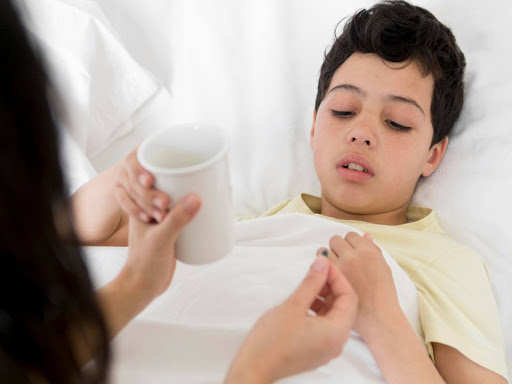
The spreading of this disease, Hand Foot and Mouth Disease (HFMD), is a very common illness nowadays in young children, infants, and older children can also have the symptoms of this disease. As we all know, prevention is better than a cure. Take precautions before this disease affects your child; while it may sound concerning, the condition is usually mild and can also be managed at home with proper care. By knowing the symptoms, parents should know how to provide comfort can make a big difference in recovery. Take your child to good care before being affected. What causes HFMD This HFMD disease spreads easily through close contact, coughing, sneezing, or touching contaminated objects. HFMD is caused by a group of viruses, most often the Coxsackievirus. It mostly breaks out in common Day care centers and playgrounds where children are in close contact with one another. Symptoms to watch for The illness usually starts with mild symptoms before the characteristic appear. Some common signs include: Fever and sore throat Reduce appetite Fatigue or irritability Painful red spots or blisters on the hands, feet, and sometimes buttocks A mouth ulcer. Symptoms usually appear for 3 to 6 days after exposure and last about a week. Home care and comfort measures In some cases of HFMD, hospitalisation is not required or necessary; it can be treated at home. Parent and monitor symptoms and follow these steps easily. Keep your child hydrated by giving them lots of fluid and avoiding oily and spicy food, which may irritate mouth sores. Give pain relief medicines advice from a doctor, which can help reduce fever and discomfort. Soothing means like soft food, you get mashed fruit when mouth ulcers are present. Rest and comfort are very important. Give your child a good sleep and take care enough by staying at home. Preventing the spread For preventing the spread of HFMD, hygiene is very important. Parents should follow these steps to protect Make sure your child washes hands frequently with super water. Clean and disinfect every toy, surface, and shared item they use. Keep infected children away from Day Care or school until fully recovered. When to call a doctor While HFMD is usually mild, parent should seek medical advice if their child has: Persistent high fever Signs of dehydration like dry lips and less urination. Severe pain and difficulty swallowing. Symptoms elastic longer than 10 days. Managing HFMD with Confidence Hand, Foot, and Mouth Disease may cause this condition, but with proper home care and hygiene, most children recover quickly without any complications. By recognising symptoms early and offering supportive care to your child, parents can help them feel better while also preventing the spread of the illness to other children.
Importance of Routine Checkups – Why preventive pediatric care is vital.

There are so many things to routine pediatric checkups than just making appointments. For tracking your child’s growth, development, and general health, it is necessary to a regular pediatric check-ups. Regular follow-ups with your pediatrician will make sure to treat issues early and keep your kid on track with health milestones. Early Detection Is Important To track whether your child’s height, weight, and development in relation to age are going properly or not, regular check-ups with your doctor allow this to be monitored easily. Early detection of any delays or odd trends improves the efficacy of treatment and gives you the right direction to move with your child’s health. Complications later in life can be avoided with early detection of conditions, including eye impairments, hearing challenges, or nutritional deficiencies. Increasing Immunity With Preventive Treatment With the help of proper preventive treatment and vaccination, children can get immunity that covers them from dangerous illnesses during examinations. Parents can also talk about behavior, mental health, sleep, and diet during these visits. Strong foundations for healthy growth are created by this regular treatment. Enhancing the Relationship Between Parents and Doctors With the regular visits, it builds trust in the relationship between the families and the healthcare professionals. Parents can freely ask any questions and problems to experts and get advice quickly. Through this collaboration, children are guaranteed to receive comprehensive care, not only medical attention when they are ill.
Safe Vaccination Practices – Preparing your child for shots.

In today’s life, vaccination is very important for your child to protect them from different types of diseases and infections. By giving these vaccines it increases your child’s immunity and gives their body enough energy to fight with the bad bacterias. For parents, vaccination day may give them stress, but it also gives protection to their children, so help your children stay calm. Reassuring your child in a positive way that this will help boost their immunity and give them the power to fight bad bacteria. Understanding Why Vaccinations Matter Each vaccination is designed to help children’s bodies recognize and fight against the specific infection and germs in the future. By following the schedule suggested by the pediatrician, you give your child strong protection during early growth years. Skipping or delaying vaccines can expose children to unavoidable illness; sustaining consistent illness is truly a matter. Before the Appointment Before the day of vaccination, make your child comfortable before the visit to the doctor. Keep your words come and positive and make sure the child does not panic after listening about the vaccination process. Avoid using words like pain or hurt, and give them positive feedback about vaccination and its effects. A few helpful things you can do: Let them rest well and eat something before leaving home. Carry a favorite toy, blanket, or soft book for comfort. Dressing them in short sleeves makes it easy to roll up clothes. During the Vaccination On the day of vaccination, make sure your child is calm and relaxed. You can bring your child’s favourite toy, sing a song, or distract them with gentle talking. While distracting toddlers have difficulty, you can hold their hand tightly to make sure they are secure, also they are prepared to take a deep breath or count slowly until it’s done. After the Vaccination Also, after the vaccination, some children may feel the after effects like light fever or soreness. It can be cured by taking cold cloth or pain relief medicine prescribed by your doctor. Offer a lot of fluid and light food, and make your child be brave. It helps them feel confident for next time. Protecting Health with Confidence Protecting your child’s health is a very important task, and vaccination also plays a very important role in protecting them. With parents’ honesty, a gentle reassurance can give their child less stress for vaccination with a positive and empowering experience. Preparing your child before the vaccination ensures that every visit to the doctor for the vaccine is done with confidence and peace of mind that your child will not hesitate to take it.
Recognizing Early Signs of Developmental Delays

Every child grows and develops at a unique pace, and their general milestones help track healthy progress. Development day occurs when a child takes longer than expected to reach these milestones in areas such as movement, speech, learning behaviour, or social interaction. Early recognition plays a very important role in providing timely support and improving long-term outcomes. Recognizing Developmental Milestones Development milestones include physical, cognitive, social, and language skills that most children achieve within a certain age range. These include sitting, walking, speaking first, responding to emotions, following instructions, and interacting with others. When a child consistently misses multiple milestones, it can indicate a delay that needs professional attention. Warning Indications to Look Out For Parents should watch out for these symptoms, like: No response to sound or make eye contact. Not properly walking, crawling, or sitting within the allotted time. If there is limited speech or an inability to follow basic instructions. Extreme shyness or aggression, or difficulty interacting with peers. See a good doctor for a developmental screening of your child. When to Get Medical Advice Some of the cognitive delay problems are related to thinking, understanding, and problem-solving. If a child may show difficulty in following the simple instructions, remembering things, recognising shapes and colours, or focusing on tasks, parents should seek good medical advice for their developmental delay if their child is not developing according to the milestones. Early Intervention Is Important You have to be aware of the developmental delays in children. When these symptoms are detected earlier, they have the best chance to get them develop with proper support from a pediatrician or development specialist. Don’t be afraid to ask any advice from a professional and trust your instincts as a parent.
Top 10 Tips to Boost Your Child’s Immunity Naturally

In the modern world, parents naturally want their child to be strong and healthy. Every child should have a strong line of defense, especially these days when germs and viruses are so common. Fortunately, there are many ways to boost children’s immunity naturally and help them. So, let’s talk about 10 easy and effective ways every parent should know to help their child stay strong. Balanced diet – Focus on a balanced diet and give your child a colorful mix of vegetables, fruits, whole grains, lean protein, and healthy fats. Also, food rich in zinc, antioxidants, and vitamin C, like carrots, spinach, berries, and nuts, helps the immune system to stay strong. Breastfeeding – Breastfeeding for infants provides them with antibodies and nutrients that are essential to support newborns in fighting infections and build a long-term immunity system. Daily physical activity – Let them run, jump, and play. Regular physical activity is important for children to boost circulation and enhance their immune system. Proper sleep – An adequate amount of sleep is essential for children to repair their immune system. Every child should get at least 9 to 12 hours of quality sleep, as per their age range. Good hygiene habits – Encouraging your child to follow good hygiene habits, such as washing their hands before a meal and after playtime, brushing their teeth, bathing daily, and keeping their nails trimmed, is the easiest way to protect themselves from everyday germs. Also, do not touch Stray animals as they carry infections. Good hygiene keeps children protected from infection and reduces the burden on the immune system. Diet with probiotics – To support your child’s health, include probiotic foods like yogurt and fermented vegetables, which promote overall wellbeing and strengthen their immunity. Keep hydrated – Encourage your child to drink plenty of water daily, which helps to flush out toxins and helps immune cells to function properly. Get plenty of sunlight for Vitamin D- Children should get 10 to 15 minutes of morning sunlight daily It’s not just a boost; immunity but also helps the body produce vitamin D. Keep your child stress-free. – Reduce your child’s stress by providing them a loving and supportive environment that helps their hormones stay balanced and healthy. Limit the use of antibiotics – Before using any antibiotic, always consult a doctor. Because unnecessary use of antibiotics can weaken your child immune system. There are 10 natural ways you can boost your child’s immunity. Making them build a consistent lifestyle lays a strong foundation for your child’s well-being and health. Prevention is always better than a cure!
India’s Growing Obesity Crisis: 1 in 5 Households Affected

India’s Growing Obesity Crisis: 1 in 5 Households Affected A recent ICMR study has shed light on a growing public health concern in India—20% of Indian households now have all adult members classified as overweight, while 10% have all adults considered obese. This trend is most prevalent in urban regions and southern states like Tamil Nadu, Kerala, and Puducherry, where lifestyle changes and dietary habits are rapidly evolving. Obesity is commonly assessed through Body Mass Index (BMI). An adult is considered overweight if their BMI lies between 25 and 29.9, and obese if it exceeds 30. The issue is no longer individual but household-wide. In states like Manipur, Kerala, and Sikkim, over 30% of families fall into this category. The study reveals a direct correlation between affluence and obesity. Alarmingly, 17.3% of wealthy households had all adults overweight, while Scheduled Tribes showed the lowest clustering at just 4.2%. This emphasizes how urbanization, sedentary jobs, and processed diets are influencing family-wide health. The data points to an urgent need for community-level awareness, preventive strategies, and lifestyle interventions. This trend is particularly concerning given the known link between obesity and 13 different cancers, along with lifestyle disorders such as diabetes, hypertension, and heart disease. Experts stress the importance of early detection and family-based health counseling. As India faces this mounting health challenge, it’s time for individuals and families to embrace active living, balanced nutrition, and routine health checkups. Promoting awareness and healthy habits at the household level is the first step in reversing this growing epidemic.
COVID-19: A Recurring Threat – How to Protect Your Kids

COVID-19: A Recurring Threat – How to Protect Your Kids It has been more than five years since humanity first came face toface with COVID-19 a global health pandemic that transformed how we live, work, and look after our health. Though the worst waves are behind us, COVID-19 did not vanish. It keeps changing, and periodic outbreaks still remind us that a constant watch is required. At ONP Hospital we keep on offering evidence based care, educating patients, and keeping the community informed and safe. The Current Status of COVID-19 (2025) New Variants:COVID-19 keeps evolving. Newer variants (such as Omicron sublineages) have a tendency to cause less severe disease, but they are more contagious., Hybrid Immunity: Everyone is now to some extent immunized by vaccines, previous infections, or both. This has greatly minimized hospitalizations and fatalities. COVID is endemic today, similar to the flu, with seasonal cycles and minor flare ups. Vaccination: Still Essential Even today, in 2025, COVID-19 vaccination continues to be important, particularly for:Older adults (age > 60), Individuals with diabetes, heart disease or lung disease – Immunocompromised patient, Healthcare workers Booster doses (updated yearly, like flu shots) are recommended for high-risk groups. Consult your doctor to know if you’re due for a booster. Symptoms to Watch COVID-19 symptoms now often resemble the common cold or flu: Fever, body aches • Sore throat, cough Runny nose, headache , Fatigue Loss of smell/taste (less common in newer variants) If symptoms do not go away or get worse, particularly in seniors or comorbid patients, see a doctor early. When to Test You may want to get a COVID test if:You’re experiencing flu-like symptoms You’ve been exposed to someone who has tested positiveYou’re going to travel or have surgery You live with someone who’s at risk (elderly or immunocompromised)Rapid Antigen Tests (RATs) are general usage, but RT-PCR is still the gold standard when accuracy is required. Long COVID: A New Frontier Certain patients experience symptoms weeks to months post-recovery, such as: Fatigue, Brain fog Breathlessness, Sleep disturbances This condition, termed Long COVID, demands organized medical follow-up and rehabilitation. We at ONP Hospital offer comprehensive care for these patients. Prevention: Old Habits Still Matter COVID-19 retaught us the importance of simple hygiene: Frequently wash hands , Use a mask in congested or enclosed spacesDon’t touch your face unnecessarily, Keep spaces inside well-ventilatedPractice distance when illThese easy habits not only avoid COVID-19 but also help decrease flu, colds, and other infections. Last WordsCOVID-19 taught us to be resilient, compassionate, and health preparedness professionals. The virus may remain with us, but panic is not needed—preparedness is.Stay in the know. Stay guarded. Stay fit.
Childhood Immunization: Importance, Myths & Facts

Childhood immunization is one of the most effective ways to protect children from life-threatening diseases. Vaccines help strengthen a child’s immune system, preventing illnesses such as measles, polio, diphtheria, and whooping cough. Despite their proven benefits, misconceptions about vaccines still cause hesitation among parents. Understanding the importance of immunization and debunking common myths is crucial for ensuring a healthier future for children. Importance of Childhood Immunization Vaccines protect not just individual children but also communities by reducing the spread of infectious diseases. Immunization has successfully eradicated diseases like smallpox and significantly reduced cases of polio worldwide. By ensuring children receive vaccines on time, parents contribute to herd immunity, which protects those who cannot be vaccinated due to medical conditions. Vaccines also reduce healthcare costs by preventing hospitalizations and long-term complications from preventable diseases. Common Myths and Facts 🔹 Myth: Natural immunity is better than vaccines.✅ Fact: While natural immunity occurs after recovering from an illness, the risks of severe complications are much higher. Vaccines provide immunity safely without exposing children to life-threatening diseases. 🔹 Myth: Too many vaccines can weaken a child’s immune system.✅ Fact: A child’s immune system can handle multiple vaccines at once. The recommended schedule is designed to protect them at the most vulnerable ages. 🔹 Myth: Vaccines cause autism.✅ Fact: Extensive research has shown no link between vaccines and autism. This myth originated from a now-debunked study and continues to cause unnecessary fear. Childhood immunization is a safe and essential step in protecting children from deadly diseases. Understanding the facts and trusting scientific evidence ensures that every child receives the best possible start in life. Parents should consult healthcare professionals and follow the recommended vaccine schedule to safeguard their child’s health.