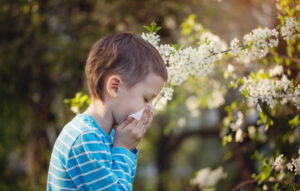
Understanding Recurrent Cough and Cold in Children: Causes, Prevention, and Treatment with Insights from Dr....
Read MoreUnderstanding Recurrent Cough and Cold in Children: Causes, Prevention, and Treatment with Insights from Dr. Amita Phadnis
January 16, 2026

Recurrent respiratory illnesses in children are a major source of concern. Lost sleep for parents is also a significant issue. To better understand these persistent problems we turn to Dr. Amita Phadnis. She is renowned pediatrician. Dr. Phadnis offers expertise on the causes. She provides insights. These insights focus on prevention. Treatment of recurrent cough and cold in children.
Causes of Recurrent Cough and Cold:
Weak Immune System
A weakened immune system often stems from poor nutrition or underlying health conditions. This can make children more vulnerable. They are prone to infections. Ensuring a balanced diet rich in vitamins. Minerals is crucial.
Allergies and Asthma
Allergic reactions to dust pollen, or pet dander can cause recurrent respiratory symptoms. Asthma is chronic condition. It frequently presents with a persistent cough and wheezing. Also this exacerbates the problem.
Common Viral Infections
Children are highly susceptible to viral infections. Examples include Rhinovirus and Respiratory Syncytial Virus (RSV). These viruses are leading causes of cough and colds. Exposure in schools is frequent. Daycares also see high incidence rates. This increases likelihood of repeated infections.
Underlying Health Conditions:
Chronic conditions such as sinusitis or enlarged adenoids can contribute to frequent cough. Cold episodes exacerbate the issues. Dr. Phadnis recommends regular check-ups. This helps diagnose and manage these conditions effectively.
Environmental Factors:
Exposure to secondhand smoke air pollution and drastic weather changes can trigger recurrent respiratory issues in children. Dr Phadnis emphasizes the importance. Maintaining a clean and smoke-free environment is crucial.
Symptoms and Diagnosis
Common Symptoms:
Recurrent cough. Runny nose. Nasal congestion sore throat. Fever. These are typical symptoms. Parents should monitor the duration. They should also observe the frequency. Parents should be attentive. Constant vigilance is necessary.
When to See a Doctor:
If symptoms persist for more than ten days or if child experiences difficulty breathing high fever, or wheezing. Medical attention is necessary. Dr. Phadnis advises prompt consultation. This helps prevent complications.
Diagnostic Tests:
A thorough medical history and physical examination are essential. In some cases chest X-rays are required. Allergy tests may also be necessary. Blood tests can be required too. These tests help identify underlying issues.
Good Hygiene Practices:
Teaching children proper handwashing techniques. Encourage the use of tissues. Use elbows when coughing or sneezing. This can reduce the spread of infections.
Vaccinations:
Staying up-to-date with vaccinations including annual flu shot, is vital. Vaccines help build immunity. They protect against common pathogens.
Nutritional Support:
A diet rich in fruits vegetables and whole grains strengthens the immune system. Dr. Phadnis highlights the role of vitamins C and D. These vitamins, along with zinc are essential in boosting immunity.
Environmental Controls:
Using air purifiers reducing exposure to allergens and maintaining a clean home environment can help prevent respiratory issues. Avoiding known irritants. Smoke and strong chemicals is also beneficial
Home Remedies and Management
Hydration and Rest
Encouraging adequate fluid intake is crucial. Ensuring a child gets plenty of rest is key. It is essential to recovery. Warm fluids can soothe the throat. They also help alleviate congestion.
Steam Inhalation:
Inhaling steam from a bowl of hot water can help open up nasal passages. This can ease breathing. This is simple home remedy. It can provide quick relief. It also eases congestion.
Humidifiers:
Using humidifier in a child’s room adds moisture to the air. This helps to relieve nasal congestion. It also aids in coughing
Over-the-Counter Medications:
Age-appropriate medications such as saline nasal drops and fever reducers can provide symptom relief. Dr. Phadnis advises you should consult a pediatrician. Consult before administering any medication.
Natural Remedies:
Honey for children over one-year-old can be effective in soothing cough. Saline nasal drops can help clear nasal passages. This makes breathing easier.
Medical Treatments and Interventions
Antibiotics:
Antibiotics are only necessary for bacterial infections. Overuse can lead to antibiotic resistance. Dr. Phadnis stresses the importance. Following medical advice is essential. Completing prescribed treatments is crucial
Treating Underlying Conditions:
Managing allergies with antihistamines or asthma with inhalers can significantly reduce the frequency of cough. Episodes of colds decrease. Regular follow-ups with healthcare provider are essential. Chronic conditions need continuous monitoring
Long-term Health Implications
Potential Impact
Frequent respiratory infections can impact a child’s growth development. They affect overall well-being. It is essential to monitor. Managing these recurrent issues is paramount.
Managing Chronic Conditions:
Long-term management strategies include medication lifestyle changes and regular medical consultations. These are necessary for children with chronic conditions. Dr. Phadnis underscores the importance of a proactive approach. Proactive approaches to health. They can significantly improve outcomes.
Parental Support and Resources
Support Groups:
Joining support groups and online communities can provide valuable information. There can be emotional support. Sharing experiences with other parents can be reassuring.
Consulting Specialists:
Seeking advice from pediatricians allergists or nutritionists can provide comprehensive care. Dr. Phadnis encourages parents to seek professional guidance. Whenever in doubt.
Educational Resources:
Reliable sources like books and websites doctors equip parents. They enable them. They help make informed decisions. This ensures about child’s health.
Conclusion
Understanding the causes prevention and treatment of recurrent cough and cold in children is essential for maintaining their health and well-being. By following preventive measures, parents can help their children overcome these common issues. Utilizing effective home remedies is also beneficial. Seeking timely medical intervention is crucial.
Dr. Amita Phadnis’s insights highlight the importance of a balanced approach to care. Emphasizing both preventive strategies. Proactive treatment ensures children lead healthy active lives.
FAQ’s
1. Why does my child get frequent coughs and colds?
Children commonly experience recurrent coughs and colds because their immune systems are still developing. Exposure to viruses at school, daycare, or crowded places also increases the likelihood of frequent infections.
2. How many colds are normal for a child each year?
Most children may have 6 to 8 colds annually, while those attending daycare or school may experience even more due to increased exposure to respiratory viruses.
3. What are the common causes of recurrent cough and cold in children?
Common causes include viral infections, allergies, asthma, sinus infections, environmental pollution, passive smoking, and weakened immunity. In some cases, recurrent infections may indicate an underlying medical condition.
4. When should parents consult a pediatrician for recurrent cough and cold?
Seek medical advice if your child’s cough lasts more than 2–4 weeks, is accompanied by breathing difficulty, high fever, wheezing, poor weight gain, or keeps returning frequently despite treatment.
5. Can allergies cause recurring cough and cold symptoms?
Yes. Allergies to dust, pollen, pet dander, or mold can trigger chronic cough, sneezing, nasal congestion, and symptoms that resemble repeated colds.
6. How can I prevent recurrent cough and cold in my child?
Encourage regular handwashing, ensure your child receives recommended vaccinations, provide a nutritious diet, promote adequate sleep, maintain good hydration, and minimize exposure to smoke and polluted environments.
7. Are antibiotics necessary for every cough and cold?
No. Most coughs and colds in children are caused by viruses, so antibiotics are usually not effective. They should only be prescribed when a bacterial infection is confirmed by a doctor.
8. Can asthma be mistaken for recurrent cough and cold?
Yes. A persistent cough, especially at night or after physical activity, may be an early sign of asthma rather than repeated viral infections. A pediatric evaluation can help determine the underlying cause.
9. What home care measures help children recover from cough and cold?
Keeping your child well-hydrated, ensuring plenty of rest, using saline nasal drops, maintaining good indoor humidity, and following your pediatrician’s advice can help relieve symptoms and support recovery.
10. Can recurrent cough and cold affect my child’s overall health?
Frequent respiratory infections can disrupt sleep, school attendance, appetite, and daily activities. If episodes are persistent or severe, a pediatrician should evaluate your child to rule out underlying conditions and recommend appropriate treatment.
FAQs –Best Pediatrician in Pimple Saudagar
1. Who is the best pediatrician in Pimple Saudagar?
ONP Leela Hospital is home to experienced pediatricians who provide comprehensive medical care for newborns, infants, children, and adolescents, with a focus on preventive, diagnostic, and specialized pediatric treatment.
2. What services do pediatricians at ONP Leela Hospital provide?
Our pediatricians offer:
- Newborn and infant care
- Vaccination and immunization
- Child health check-ups
- Growth and developmental assessments
- Treatment for fever, cough, infections, and allergies
- Asthma management
- Nutrition and feeding guidance
- Adolescent healthcare
- Pediatric emergency care
3. When should I take my child to a pediatrician?
You should consult a pediatrician for routine health check-ups, vaccinations, fever, cough, breathing difficulties, digestive issues, poor growth, developmental delays, allergies, or any health concerns affecting your child.
4. Does ONP Leela Hospital provide vaccination services?
Yes. We provide comprehensive childhood vaccination services based on the recommended immunization schedule to help protect children against preventable diseases.
5. Does ONP Leela Hospital offer newborn and NICU care?
Yes. Our hospital provides specialized newborn care and advanced NICU services for premature babies, low birth weight infants, and newborns requiring intensive medical care.
6. Can pediatricians monitor my child’s growth and development?
Yes. Regular pediatric check-ups help monitor your child’s physical growth, developmental milestones, nutrition, and overall health to ensure timely intervention when needed.
7. What symptoms require immediate pediatric care?
Seek immediate medical attention if your child has:
- High fever
- Difficulty breathing
- Seizures
- Severe dehydration
- Persistent vomiting
- Loss of consciousness
- Serious injuries or trauma
8. Why choose ONP Leela Hospital for pediatric care in Pimple Saudagar?
Parents trust ONP Leela Hospital because of:
- Experienced pediatricians
- Child-friendly environment
- Advanced NICU facilities
- Modern diagnostic technology
- Comprehensive vaccination services
- Personalized treatment plans
- Emergency pediatric support
9. How often should my child visit a pediatrician?
Children should have regular wellness visits according to their age, vaccination schedule, and developmental needs. Additional visits are recommended whenever they are ill or have health concerns.
10. How can I book an appointment with a pediatrician at ONP Leela Hospital?
You can easily book an appointment through the ONP Hospitals website or contact ONP Leela Hospital directly to schedule a consultation with an experienced pediatrician.
Our Gallery







Visit Our Hospital
Releted Blogs

Keeping Kids Safe from Heatwaves
Understanding Recurrent Cough and Cold in Children: Causes, Prevention, and Treatment with Insights from Dr....
Read More
Managing Seasonal Allergies in Kids
Understanding Recurrent Cough and Cold in Children: Causes, Prevention, and Treatment with Insights from Dr....
Read More