
Importance of Regular Health Checkups for Every Age Group

Imagine your body is like a car. If you never check it, never clean it, and never fix small problems, one day it can suddenly stop working. That is why we go for servicing, right? In the same way, our body also needs regular checkups. These are called health checkups. They help doctors see if everything inside our body is working properly. Let’s understand this in a very simple and easy way. What is a Health Checkup? A health checkup is when you go to a doctor even if you are not sick. The doctor checks your body using simple tests like: Blood test Blood pressure check Heart check Weight and height It is like a full body report card. Why Are Regular Health Checkups Important? 1. Find Problems Early Sometimes diseases grow slowly and silently. You may not feel anything at first. For example: Sugar (diabetes) BP (blood pressure) Heart problems Regular checkups help doctors find these early. Early detection = easy treatment 2. Save Money If you catch a disease early, treatment is cheaper. If you ignore it: More tests More medicines Bigger hospital bills So yes, checkups actually save money 3. Stay Healthy and Active When you know your health is good, you feel happy and confident. You can: Play Work Travel Enjoy life 4. Build Good Habits Doctors also guide you about: Healthy food Exercise Sleep So you don’t just treat illness—you prevent it! Importance for Different Age Groups Let’s break it down by age For Children (0–15 years) Kids grow very fast. Their body needs regular checking. Why checkups are important: To track growth (height, weight) To check nutrition To give vaccines To detect early health issues If a child is weak or not growing properly, early checkups help fix it quickly. For Teenagers (16–25 years) Teenagers feel they are always strong, but this is also a risky time. Why checkups are important: Hormone changes Stress and anxiety Poor eating habits Screen time problems Doctors can guide them to stay fit and mentally strong. For Adults (26–45 years) This is the busy life stage: Job Family Stress People often ignore their health here. Common problems: BP Diabetes Weight gain Regular checkups help manage these before they become serious. Choosing the Best Multispeciality Hospital In Pune ensures all tests and specialists are available in one place. For Older Adults (45+ years) As age increases, the body becomes weaker. Common risks: Heart disease Joint pain Eye problems Bone weakness Regular checkups help: Monitor health Adjust medicines Improve quality of life What Happens During a Checkup? Don’t worry, it’s not scary Usually includes: Talking to doctor Basic tests Sometimes scans Doctors may also give advice like: Eat less sugar Walk daily Sleep better How Often Should You Go? Simple rule: Kids → Once a year Adults → Once a year 40+ → Every 6 months If you already have a problem, the doctor may ask for more frequent visits. Why Choose a Good Hospital? Not all hospitals are the same. A good hospital: Has experienced doctors Has modern machines Gives quick reports Provides proper guidance That’s why many people prefer the ONP hospital for regular health checkups. Role of Multispeciality Hospitals A multispeciality hospital means: Many doctors under one roof Example: Heart doctor Bone doctor Child doctor Skin doctor So if one issue is found, you don’t have to go anywhere else. This is why choosing the Best Multispeciality hospital such as ONP Hospital is very helpful. Real-Life Example (Simple Story) Let’s say Ravi felt completely fine. He never went for checkups. One day, he suddenly felt dizzy. When he went to the doctor, they found: High BP High sugar If he had done regular checkups, he could have controlled it early. Now he needs more medicine and care. Moral of the story: Don’t wait for symptoms. Go early! Common Mistakes People Make I feel fine, so I don’t need a checkup .I am too busy.It’s expensive But the truth is: Prevention is better than cure Health is more important than anything Simple Tips to Stay Healthy Along with checkups: Drink more water Eat fruits and vegetables Exercise daily Sleep well Avoid junk food Final Thoughts Your body is your best friend Take care of it before it gives you problems. Regular health checkups: Keep you safe Save money Help you live longer Whether you are a child, adult, or elderly person, health checkups are important for everyone.So next time, don’t delay. Visit a trusted place like the ONP hospital in Pune and take that small step towards a healthier life. Our Gallery Visit Our Hospital Releted Blogs Fever in Children: When is Alright, let’s not make this complicated. Your child feels warm and suddenly everything in your… Read More Winter Infections in Kids. Early Winter often brings small health troubles for children. Many parents notice that their child falls… Read More Hand, Foot, and Mouth Disease The spreading of this disease, Hand Foot and Mouth Disease (HFMD), is a very common… Read More
First Trimester Care: What Every Expecting Mother Should Know

First Trimester Care: What Every Expecting Mother Should Know Pregnancy frequently feels most uncertain during the first trimester. All the tests are positive, and the body’s appearance remains unchanged. Many women choose ONP for their prenatal, postnatal, and delivery services, because the doctors and staff help them to address any problems and pregnancy symptoms during that period. Some women have discomfort one day and comfort the next day. There are always questions, but the answers are not always obvious. First-trimester care is really very important for your pregnancy. That is why mothers have to focus on their health and bodies. What Many Women Experience Early In the first few weeks, tiredness is very common. Even simple tasks feel heavy. There are types of symptoms that some women feel nausea only in the morning or only in the evening, and some feel it all day. There are also other types of symptoms. such as a smell that suddenly feels unpleasant. Food choices change without warning. These symptoms differ from person to person and usually settle with time. Why Seeing a Doctor Early Helps Some women wait before visiting a hospital because there is no pain or bleeding. Early visits help confirm pregnancy properly and rule out basic concerns. At ONP Hospital, Best Maternity Hospital For Normal Delivery In Pune, many expecting mothers come mainly to ask questions they feel unsure about. Early guidance often brings reassurance and clarity. Eating Becomes Different In early pregnancy, appetite is unpredictable. Large meals may not feel comfortable. Small meals spaced throughout the day are often easier. Home cooked food suits the stomach better than spicy or outside food. Doctors usually advise folic acid at this stage because it supports early development. Rest Is Not Optional Feeling tired does not mean weakness. The body is adjusting internally. Rest helps, Sleep when possible. Avoid alcohol, smoking, and medicines unless advised. Light walking is usually fine. Heavy workouts are better avoided unless recommended. Basic Tests and Checks Doctors at the maternity hospital in PCMC may suggest blood tests and an early scan. These checks help understand pregnancy progress and calculate dates. They also help plan future care calmly, without hurry. When Not to Wait If you are feeling severe abdominal pain, and there is little spotting or heavy bleeding, and if you are suffering from fever or sudden weakness, it should not be ignored. You must go to your gynecologist. Medical advice should have been taken immediately in these types of conditions. Starting Slowly Is Enough The first trimester is not about doing everything right. The first trimester is all about resting a lot, eating simple food, staying in shape, and asking questions. With the help of proper support and haaregular follow up with your gynec most pregnancy is moving forward smoothly. FAQ’s 1. What is the first trimester of pregnancy? The first trimester is the initial stage of pregnancy, spanning from week 1 to week 12. During this period, the baby’s major organs begin to develop, making proper prenatal care essential. 2. Why is first-trimester care important? First-trimester care helps monitor the health of both mother and baby, identify potential risks early, ensure proper fetal development, and provide guidance on nutrition and lifestyle changes. 3. What should I eat during the first trimester? Expecting mothers should consume a balanced diet rich in folic acid, iron, calcium, protein, fruits, vegetables, and whole grains to support healthy fetal growth and maternal well-being. 4. When should I schedule my first prenatal visit? It is recommended to schedule your first prenatal appointment as soon as you confirm your pregnancy. Early prenatal care helps ensure a healthy pregnancy journey. 5. What tests are performed during the first trimester? Common first-trimester tests include blood tests, urine tests, ultrasound scans, blood pressure monitoring, and screening for genetic or chromosomal conditions. 6. Why choose a Maternity hospital in Pune for prenatal care? A trusted Maternity hospital in Pune offers experienced obstetricians, advanced diagnostic facilities, personalized pregnancy care, and comprehensive support throughout your pregnancy journey. 7. What are the common symptoms during the first trimester? Common symptoms include nausea, vomiting, fatigue, breast tenderness, mood swings, frequent urination, food cravings, and mild abdominal discomfort. 8. How can I manage morning sickness during early pregnancy? Eating small frequent meals, staying hydrated, avoiding trigger foods, and getting adequate rest can help reduce morning sickness symptoms. 9. Is exercise safe during the first trimester? In most cases, light to moderate exercise such as walking, prenatal yoga, and stretching is safe. However, consult your healthcare provider before starting any exercise routine. 10. How do I prepare for a normal delivery? Regular prenatal checkups, a healthy lifestyle, proper nutrition, childbirth education, and guidance from specialists at the Best Maternity Hospital for Normal Delivery in Pune can help prepare you for a normal delivery. Our Gallery Visit Our Hospital Related Blogs Why IVF Fails? 7 Hidden You do everything right. Pick a good clinic, follow every instruction, stay hopeful and then… Read More First Trimester Care: What Every First Trimester Care: What Every Expecting Mother Should Know Pregnancy frequently feels most uncertain during… Read More Navigating the Path to Normal The process of childbirth is a transformative journey, and many expectant mothers aspire to achieve… Read More
Common Gynecological Problems Women Often Ignore

Common Gynecological Problems Women Often Ignore In day-to-day hospital practice, many women come only after symptoms have stayed for a long time. Before that, they managed quietly. Some feel the problem will settle. Some feel it is not serious. Others simply do not get time. This delay is very common. Period Issues That Get Adjusted To Many women notice changes in their periods but continue their routine by visiting Best gynecologist in Pune. Cycles may become irregular. Bleeding may increase or reduce. Sometimes periods stop for months. Stress is often blamed. While stress does affect cycles, repeated changes should not be ignored for long. Pain That Slowly Becomes Normal Pain during periods is often accepted as normal. Some women take painkillers every month and plan work around pain days. Over time, this pain feels routine. In some cases, such pain is linked to fibroids or other conditions that need evaluation. Vaginal Changes That Are Kept Quiet Discharge, itching, or smell changes are common complaints. Many women hesitate to speak about these. Some try home remedies or over the counter medicines. When treatment is delayed, infections may return again and again. Urinary Complaints That Keep Coming Back Burning sensation while passing urine or frequent urge is often treated casually. Repeated infections are common. Sometimes these are linked to pelvic health and need proper assessment. Why Early Visits Make a Difference Doctors often see that problems are simpler when women come early. ONP Hospital, have a best Gynecologist in PCMC, many patients say they waited longer than they should have. Regular checkups help address concerns before they grow. Paying Attention Matters The body usually gives early signs. Ignoring them does not solve the issue. Seeking advice early brings relief and avoids stress later. FAQ’s 1. What are the most common gynecological problems women often ignore? Some commonly ignored gynecological issues include irregular periods, abnormal vaginal discharge, pelvic pain, painful menstruation, urinary incontinence, heavy bleeding, and symptoms of hormonal imbalance. 2. When should I visit a gynecologist for irregular periods? You should consult a Gynecologist in Pune if your periods are consistently irregular, excessively heavy, unusually painful, or absent for several months without pregnancy. 3. Is pelvic pain a sign of a serious gynecological condition? Yes. Persistent pelvic pain may indicate conditions such as endometriosis, ovarian cysts, fibroids, pelvic inflammatory disease, or other reproductive health concerns that require medical evaluation. 4. Why should abnormal vaginal discharge not be ignored? Changes in color, odor, or consistency of vaginal discharge may signal infections, hormonal imbalances, or other gynecological conditions that need prompt treatment. 5. How often should women have gynecological checkups? Women should generally schedule annual gynecological examinations, even if they do not have symptoms, to support early detection and prevention of reproductive health issues. 6. How can a Gynecology clinic in Pune help maintain women’s health? A reputable Gynecology clinic in Pune provides preventive screenings, routine examinations, fertility consultations, pregnancy care, menopause management, and treatment for various gynecological conditions. 7. What are the warning signs that require immediate gynecological attention? Seek medical care if you experience severe pelvic pain, heavy bleeding, bleeding between periods, postmenopausal bleeding, unexplained weight loss, or unusual vaginal discharge. 8. Why is early diagnosis important for gynecological problems? Early diagnosis helps prevent complications, improves treatment outcomes, reduces discomfort, and supports long-term reproductive and overall health. 9. How can a Gynecologist in Pune help with reproductive health concerns? An experienced Gynecologist in Pune can diagnose and treat menstrual disorders, fertility issues, hormonal imbalances, infections, pregnancy-related concerns, and menopausal symptoms. 10. How do I choose the Best gynecologist in Pune? When selecting the Best gynecologist in Pune, consider their experience, qualifications, patient reviews, expertise in women’s health, and access to advanced diagnostic and treatment facilities. Our Gallery Visit Our Hospital Blogs Why IVF Fails? 7 Hidden You do everything right. Pick a good clinic, follow every instruction, stay hopeful and then… Read More First Trimester Care: What Every First Trimester Care: What Every Expecting Mother Should Know Pregnancy frequently feels most uncertain during… Read More Navigating the Path to Normal The process of childbirth is a transformative journey, and many expectant mothers aspire to achieve… Read More
Understanding Recurrent Cough and Cold in Children: Causes, Prevention, and Treatment with Insights from Dr. Amita Phadnis

Recurrent respiratory illnesses in children are a major source of concern. Lost sleep for parents is also a significant issue. To better understand these persistent problems we turn to Dr. Amita Phadnis. She is renowned pediatrician. Dr. Phadnis offers expertise on the causes. She provides insights. These insights focus on prevention. Treatment of recurrent cough and cold in children. Causes of Recurrent Cough and Cold: Weak Immune SystemA weakened immune system often stems from poor nutrition or underlying health conditions. This can make children more vulnerable. They are prone to infections. Ensuring a balanced diet rich in vitamins. Minerals is crucial.Allergies and AsthmaAllergic reactions to dust pollen, or pet dander can cause recurrent respiratory symptoms. Asthma is chronic condition. It frequently presents with a persistent cough and wheezing. Also this exacerbates the problem.Common Viral InfectionsChildren are highly susceptible to viral infections. Examples include Rhinovirus and Respiratory Syncytial Virus (RSV). These viruses are leading causes of cough and colds. Exposure in schools is frequent. Daycares also see high incidence rates. This increases likelihood of repeated infections. Underlying Health Conditions: Chronic conditions such as sinusitis or enlarged adenoids can contribute to frequent cough. Cold episodes exacerbate the issues. Dr. Phadnis recommends regular check-ups. This helps diagnose and manage these conditions effectively. Environmental Factors: Exposure to secondhand smoke air pollution and drastic weather changes can trigger recurrent respiratory issues in children. Dr Phadnis emphasizes the importance. Maintaining a clean and smoke-free environment is crucial. Symptoms and Diagnosis Common Symptoms:Recurrent cough. Runny nose. Nasal congestion sore throat. Fever. These are typical symptoms. Parents should monitor the duration. They should also observe the frequency. Parents should be attentive. Constant vigilance is necessary.When to See a Doctor:If symptoms persist for more than ten days or if child experiences difficulty breathing high fever, or wheezing. Medical attention is necessary. Dr. Phadnis advises prompt consultation. This helps prevent complications.Diagnostic Tests:A thorough medical history and physical examination are essential. In some cases chest X-rays are required. Allergy tests may also be necessary. Blood tests can be required too. These tests help identify underlying issues.Good Hygiene Practices:Teaching children proper handwashing techniques. Encourage the use of tissues. Use elbows when coughing or sneezing. This can reduce the spread of infections.Vaccinations:Staying up-to-date with vaccinations including annual flu shot, is vital. Vaccines help build immunity. They protect against common pathogens.Nutritional Support:A diet rich in fruits vegetables and whole grains strengthens the immune system. Dr. Phadnis highlights the role of vitamins C and D. These vitamins, along with zinc are essential in boosting immunity.Environmental Controls:Using air purifiers reducing exposure to allergens and maintaining a clean home environment can help prevent respiratory issues. Avoiding known irritants. Smoke and strong chemicals is also beneficial Home Remedies and Management Hydration and RestEncouraging adequate fluid intake is crucial. Ensuring a child gets plenty of rest is key. It is essential to recovery. Warm fluids can soothe the throat. They also help alleviate congestion.Steam Inhalation:Inhaling steam from a bowl of hot water can help open up nasal passages. This can ease breathing. This is simple home remedy. It can provide quick relief. It also eases congestion.Humidifiers:Using humidifier in a child’s room adds moisture to the air. This helps to relieve nasal congestion. It also aids in coughingOver-the-Counter Medications:Age-appropriate medications such as saline nasal drops and fever reducers can provide symptom relief. Dr. Phadnis advises you should consult a pediatrician. Consult before administering any medication.Natural Remedies:Honey for children over one-year-old can be effective in soothing cough. Saline nasal drops can help clear nasal passages. This makes breathing easier. Medical Treatments and Interventions Antibiotics:Antibiotics are only necessary for bacterial infections. Overuse can lead to antibiotic resistance. Dr. Phadnis stresses the importance. Following medical advice is essential. Completing prescribed treatments is crucialTreating Underlying Conditions:Managing allergies with antihistamines or asthma with inhalers can significantly reduce the frequency of cough. Episodes of colds decrease. Regular follow-ups with healthcare provider are essential. Chronic conditions need continuous monitoring Long-term Health Implications Potential ImpactFrequent respiratory infections can impact a child’s growth development. They affect overall well-being. It is essential to monitor. Managing these recurrent issues is paramount.Managing Chronic Conditions:Long-term management strategies include medication lifestyle changes and regular medical consultations. These are necessary for children with chronic conditions. Dr. Phadnis underscores the importance of a proactive approach. Proactive approaches to health. They can significantly improve outcomes. Parental Support and Resources Support Groups:Joining support groups and online communities can provide valuable information. There can be emotional support. Sharing experiences with other parents can be reassuring.Consulting Specialists:Seeking advice from pediatricians allergists or nutritionists can provide comprehensive care. Dr. Phadnis encourages parents to seek professional guidance. Whenever in doubt.Educational Resources:Reliable sources like books and websites doctors equip parents. They enable them. They help make informed decisions. This ensures about child’s health. Conclusion Understanding the causes prevention and treatment of recurrent cough and cold in children is essential for maintaining their health and well-being. By following preventive measures, parents can help their children overcome these common issues. Utilizing effective home remedies is also beneficial. Seeking timely medical intervention is crucial.Dr. Amita Phadnis’s insights highlight the importance of a balanced approach to care. Emphasizing both preventive strategies. Proactive treatment ensures children lead healthy active lives. FAQ’s 1. Why does my child get frequent coughs and colds? Children commonly experience recurrent coughs and colds because their immune systems are still developing. Exposure to viruses at school, daycare, or crowded places also increases the likelihood of frequent infections. 2. How many colds are normal for a child each year? Most children may have 6 to 8 colds annually, while those attending daycare or school may experience even more due to increased exposure to respiratory viruses. 3. What are the common causes of recurrent cough and cold in children? Common causes include viral infections, allergies, asthma, sinus infections, environmental pollution, passive smoking, and weakened immunity. In some cases, recurrent infections may indicate an underlying medical condition. 4. When should parents consult a pediatrician for recurrent cough and cold? Seek medical advice if your child’s cough
Winter Infections in Kids. Early Signs and Prevention

Winter often brings small health troubles for children. Many parents notice that their child falls sick more often during colder months. This happens because children spend more time indoors, the air becomes dry, and germs spread easily in schools and play areas. Knowing the early signs helps parents act before the infection becomes serious. Early Signs Parents Often Miss Winter infections usually begin slowly. A child may seem tired, less playful, or complain of throat irritation. Mild fever, runny nose, watery eyes, sneezing, or a light cough are common starting signs. Some children eat less or sleep more than usual. Younger kids may become cranky or clingy without a clear reason. These small changes often appear one or two days before a full illness. Common Winter Illnesses Colds, viral fever, sore throat, ear pain, and cough are the most frequent winter problems in kids. In some cases, chest congestion or breathing discomfort can develop if care is delayed. Most infections are mild, but ignoring symptoms can lead to a longer recovery time. Why Winter Makes Kids More Vulnerable Cold air dries the nose and throat, reducing natural protection against germs. Closed rooms, shared toys, and close contact in schools allow infections to spread faster. Children also touch their face often, which increases the risk of catching viruses. Simple Prevention That Really Helps Keep children warmly dressed but comfortable. Make handwashing a daily habit, especially after school and before meals. Offer home cooked food, warm water, soups, fruits, and adequate fluids. Ensure proper sleep and avoid sending a sick child to school. Fresh air and sunlight inside the home also support immunity. Keeping Children Safe Through Winter Most winter infections can be managed easily when noticed early. With small daily precautions and timely care, parents can help their children stay active, comfortable, and healthy throughout the winter season. FAQs – Best Pediatric Hospital in PCMC 1. Which is the Best Pediatric Hospital in PCMC? ONP Leela Hospital is a trusted pediatric hospital in PCMC, offering comprehensive child healthcare with experienced pediatricians, advanced NICU facilities, modern diagnostics, and personalized treatment for newborns, infants, children, and adolescents. 2. What pediatric services are available at ONP Leela Hospital? Our pediatric department offers: Newborn and infant care Vaccination and immunization Well-child health check-ups Growth and developmental assessments Treatment for childhood illnesses Allergy and asthma management Nutrition counseling Pediatric emergency care Adolescent healthcare 3. Does ONP Leela Hospital provide NICU services? Yes. We provide advanced Neonatal Intensive Care Unit (NICU) services for premature babies, low birth weight infants, and newborns requiring specialized medical care and continuous monitoring. 4. When should I take my child to a pediatric hospital? Visit a pediatric hospital if your child has persistent fever, breathing difficulties, dehydration, repeated vomiting, seizures, injuries, developmental concerns, or requires routine vaccinations and health check-ups. 5. Does ONP Leela Hospital offer childhood vaccinations? Yes. We provide complete vaccination services following the recommended immunization schedule to protect children against preventable diseases. 6. Can pediatricians monitor my child’s growth and development? Yes. Our pediatricians regularly monitor your child’s physical growth, developmental milestones, nutrition, and overall health to ensure timely care and healthy development. 7. Why choose ONP Leela Hospital for pediatric care in PCMC? Parents choose ONP Leela Hospital because of: Experienced pediatricians and neonatologists Advanced NICU facilities Child-friendly environment Modern diagnostic technology Comprehensive vaccination services Emergency pediatric care Personalized treatment plans Family-centered healthcare 8. Does the hospital provide emergency pediatric care? Yes. Our pediatric team is available to manage a wide range of childhood emergencies, including infections, respiratory conditions, allergic reactions, dehydration, and newborn emergencies. 9. How often should my child have a pediatric health check-up? Regular health check-ups are recommended based on your child’s age and vaccination schedule. Annual wellness visits are advised for older children to monitor overall growth and development. 10. How can I book an appointment at ONP Leela Hospital? You can conveniently book an appointment online through the ONP Hospitals website or contact ONP Leela Hospital directly to schedule a consultation with our experienced pediatric specialists. Our Gallery Visit Our Hospital Blogs Fever in Children: When is Alright, let’s not make this complicated. Your child feels warm and suddenly everything in your… Read More Hand, Foot, and Mouth Disease The spreading of this disease, Hand Foot and Mouth Disease (HFMD), is a very common… Read More Safe Vaccination Practices – Preparing In today’s life, vaccination is very important for your child to protect them from different… Read More
Probiotics for Children: When and Why It Matters

Parents often hear the word probiotics but may not be sure how they help a child’s health. Probiotics are good bacteria that support the natural balance inside the gut. A healthy gut plays a big role in digestion, immunity, and overall well-being for growing children. When Probiotics Help There are certain times when probiotics become especially useful. If a child is taking antibiotics, the good bacteria in the intestines are reduced. This can cause loose stool, stomach discomfort, or weakness. Giving probiotics during and after the antibiotic course helps restore balance. Probiotics also help children who frequently face tummy issues like gas, bloating, or mild constipation. They support smoother digestion and improve nutrient absorption, which is important for growth. Some children also catch infections easily. Since a large part of immunity begins in the gut, a healthy balance of bacteria strengthens the body’s natural defense. Why They Matter Probiotics support a child’s overall health in many ways. They help build a stronger immune system, reduce stomach infections, and may even improve appetite. Children with food sensitivities or mild allergies may also benefit from improved gut function. These good bacteria also encourage the growth of a stable gut health environment. This stability helps reduce episodes of diarrhoea, especially after infection. For school going children, better gut health means fewer sick days and improved energy levels throughout the day. Choosing the Right Probiotics Parents should pick probiotics that are designed for children and contain a well-studied strain. It is always better to check with the doctor to understand the right type and dose based on age and the help needed. A Smarter Step Toward Better Gut Health Probiotics are small but powerful helpers for children’s health. They support digestion, boost immunity, and protect them during antibiotics use. Understanding when and why probiotics matter helps parents take better care of their children’s overall wellbeing. FAQs – Best Pediatrician in Pimple Saudagar 1. Who is the Best Pediatrician In Pimple Saudagar? ONP Leela Hospital has a team of experienced pediatricians who provide comprehensive medical care for newborns, infants, children, and adolescents, focusing on preventive, diagnostic, and specialized pediatric treatment. 2. What services do pediatricians at ONP Leela Hospital offer? Our pediatricians provide: Newborn and infant care Vaccination and immunization Child health check-ups Growth and developmental assessments Treatment for fever, infections, and allergies Asthma management Nutrition and feeding guidance Adolescent healthcare Pediatric emergency care 3. When should I consult a pediatrician? You should visit a pediatrician for routine check-ups, vaccinations, fever, cough, breathing difficulties, digestive issues, allergies, skin rashes, poor growth, developmental concerns, or any illness affecting your child’s health. 4. Does ONP Leela Hospital provide vaccination services? Yes. We offer complete childhood vaccination programs based on the recommended immunization schedule to protect children from preventable diseases. 5. Does ONP Leela Hospital provide newborn and NICU care? Yes. Our hospital offers specialized newborn care and advanced NICU services for premature babies, low birth weight infants, and critically ill newborns. 6. Can pediatricians monitor my child’s growth and development? Yes. Regular pediatric visits help assess your child’s physical growth, developmental milestones, nutrition, behavior, and overall well-being to ensure healthy development. 7. What symptoms require immediate pediatric care? Seek urgent medical attention if your child experiences: High fever Difficulty breathing Seizures Severe dehydration Persistent vomiting Loss of consciousness Serious injuries or accidents 8. Why choose ONP Leela Hospital for pediatric care in Pimple Saudagar? Parents trust ONP Leela Hospital because of: Experienced pediatricians Child-friendly environment Advanced NICU facilities Comprehensive vaccination services Modern diagnostic technology Personalized treatment plans Emergency pediatric support 9. How often should my child visit a pediatrician? Children should have regular wellness check-ups according to their age and vaccination schedule, along with visits whenever they are unwell or have developmental concerns. 10. How can I book an appointment with a pediatrician at ONP Leela Hospital? You can book an appointment online through the ONP Hospitals website or contact ONP Leela Hospital directly to schedule a consultation with one of our experienced pediatricians. Our Gallery Visit Our Hospital Blogs Fever in Children: When is Alright, let’s not make this complicated. Your child feels warm and suddenly everything in your… Read More Winter Infections in Kids. Early Winter often brings small health troubles for children. Many parents notice that their child falls… Read More Hand, Foot, and Mouth Disease The spreading of this disease, Hand Foot and Mouth Disease (HFMD), is a very common… Read More
What happened inside NICU: A Parents’ Guide

NICU is known as a neonatal Intensive Care unit where a newborn is admitted to give extra medical care after birth. It is not easy to see your child in the NICU, but understanding what is happening inside can help your baby to grow properly. These NICU are designed to give newborns the care that they need until they are strong enough to go home. A safe space for babies Every NICU is filled with the gentle light, warm air, and quiet surroundings. To keep babies and newborns warm, the temperature is also maintained. Their beds also look different from regular ones, they are incubators or a warmer that keeps the baby’s body temperature normal. Nurses and doctors watch each baby closely with the help of small machines that take heart rate, Oxygen, and breathing. Team that Never Stops Watching In the NICU, there is always a team working around the clock. Neonatologists, nurses, and respiratory therapists monitor every little change. They adjust my distance feeding and oxygen support as needed. Parents notice beeps and screens, but these are simple ways for the staff to make sure everything stays stable. Feeding and Growth Support In the NICU, many babies cannot feed from the breast or bottle directly. In such a case, they may feed, provide milk, or nutrition with small tubes so that they can suck or swallow properly. Every drop of milk helps them grow stronger each day. Parents Are Part of the Care Even in the NICU parents have an important role. Parents can also have permission but only when the team allows to meet and touch your baby but in the required time. Today pediatricians also appreciate kangaroo care, which allows you to hold your baby’s skin to skin because it gives comfort to both baby and parents. Hope Beyond the Machines The NICU is not just a room full of machines; it is a place of healing and hope for newborns. Every single day brings small improvements in your baby, a better heartbeat, longer feeding, and a peaceful nap. Before long, the same baby who needed extra care will be ready to go home stronger and healthier than before. FAQs – NICU For Babies in Pune 1. Which hospital offers the best NICU for babies in Pune? ONP Hospitals provides a state-of-the-art NICU for babies in Pune with experienced neonatologists, advanced life-support systems, and round-the-clock care for premature and critically ill newborns. 2. What is a NICU? A Neonatal Intensive Care Unit (NICU) is a specialized hospital unit that provides advanced medical care for premature babies, low birth weight infants, and newborns with serious medical conditions requiring continuous monitoring. 3. Which babies may need NICU care? NICU care may be required for babies who: Are born prematurely Have low birth weight Experience breathing difficulties Have neonatal infections Are born with congenital conditions Need intensive monitoring after birth 4. What services are available in the NICU at ONP Hospitals? Our NICU offers: Advanced respiratory support Neonatal ventilation Incubator care Phototherapy for jaundice Continuous monitoring Infection management Newborn screening Nutritional and lactation support 5. Are neonatologists available 24/7? Yes. Our experienced neonatologists and NICU specialists are available 24/7 to provide immediate and specialized care for newborn emergencies. 6. Can parents visit babies admitted to the NICU? Yes. Parents are encouraged to participate in their baby’s care according to hospital guidelines, with support from our neonatal care team. 7. How long does a baby stay in the NICU? The length of stay depends on the baby’s condition, gestational age, birth weight, and overall progress. Our team closely monitors each baby’s recovery before discharge. 8. Why choose ONP Hospitals for NICU care in Pune? Parents choose ONP Hospitals because of: Experienced neonatologists Advanced NICU technology 24/7 neonatal emergency care Personalized treatment plans High standards of infection control Family-centered care Comprehensive newborn support 9. Does ONP Hospitals provide follow-up care after NICU discharge? Yes. We provide developmental assessments, growth monitoring, vaccination guidance, nutritional counseling, and regular follow-up visits to support your baby’s healthy development. 10. How can I book a consultation for neonatal care at ONP Hospitals? You can book an appointment through the ONP Hospitals website or contact the hospital directly to consult with our neonatologists and neonatal care specialists. Our Gallery Visit Our Hospital Blogs Fever in Children: When is Alright, let’s not make this complicated. Your child feels warm and suddenly everything in your… Read More Winter Infections in Kids. Early Winter often brings small health troubles for children. Many parents notice that their child falls… Read More Hand, Foot, and Mouth Disease The spreading of this disease, Hand Foot and Mouth Disease (HFMD), is a very common… Read More
Dealing with Frequent Stomach Upsets in Children

The most common health problem in children is stomach upset, which happens frequently when they eat outside food. If parents notice these serious symptoms, like continuous stomach pain, loose motion, gas, or loss of appetite, they need to go to the doctor immediately to receive medication. While occasional stomach issues are normal, frequent complaints may need more attention. Common Cause There are many reasons why children can get stomach upset. The most common reasons are infection over overeating, food allergies, or eating too much junk food. Sometimes lack of sleep or irregular eating habits also cause discomfort in the stomach. In your young kids, drinking and clean water or putting toys in the mouth can lead to stomach infection. What Parents Can Do First first see the symptoms like vomiting, diarrhoea, or fever if your child is complaining of stomach pain or nausea. For mild cases, you can use some simple home remedies to cure, and they will work well. Give them plenty of fluids like water, coconut water, or clear soup to prevent your child from dehydration. Also, try to give them light food such as rice, curd, or bananas instead of any oily or spicy food. If the stomach upset is caused by any of the reasons, like constipation, adding more fiber through fruits and vegetables can also be helpful in Teaching your child good habits like washing their hands before and after using the washroom is one of the easiest ways to prevent stomach infection in your child. When to See a Doctor If a child is having a high fever, or severe vomiting or stomach pain lasting for more than a day, parents should seek urgent medical advice from their pediatrician. Frequent stomach pain may be caused by lactose intolerance, a food allergy, or other issues that need to be properly diagnosed by an expert. Healthy Habits for a Happy Stomach Most of the stomach issues are normal and children and can be certain with simple home remedies. Severe stomach pain can lead to a problem that shouldn’t be ignored and can also be cured by following a particular eating habit, maintaining good hygiene, and scheduling regular fffollow-ups with good pediatrician. It is the responsibility of parents to make sure that the child’s growth is healthy and strong. Frequently Asked Questions 1. Why is ONP Hospitals considered one of the Best Neonatal Care Hospitals In Pune? ONP Hospitals offers advanced NICU facilities, experienced neonatologists, 24/7 emergency newborn care, and comprehensive treatment for premature babies, low birth weight infants, neonatal jaundice, respiratory conditions, infections, and other critical newborn health concerns. 2. What is neonatal care? Neonatal care refers to specialized medical care provided to newborn babies during the first 28 days of life. It focuses on diagnosing, treating, and monitoring babies who require additional medical attention after birth. 3. What conditions are treated in the Neonatal Intensive Care Unit (NICU)? Our NICU provides specialized care for: Premature babies Low birth weight infants Respiratory distress Neonatal jaundice Neonatal infections Birth asphyxia Feeding difficulties Congenital conditions Hypoglycemia Other critical newborn health conditions 4. When does a newborn need NICU admission? A baby may require NICU care if they are born prematurely, have breathing difficulties, low birth weight, infections, congenital abnormalities, severe jaundice, or need continuous monitoring after delivery. 5. What NICU services are available at ONP Hospitals? Our NICU offers: Continuous vital monitoring Incubator care CPAP and ventilator support Oxygen therapy Phototherapy for jaundice Intravenous medications Feeding and nutritional support Infection management Emergency neonatal resuscitation 6. Do you provide care for premature babies? Yes. Our neonatal specialists provide comprehensive care for premature babies, including respiratory support, temperature regulation, nutritional management, infection prevention, developmental monitoring, and individualized treatment plans. 7. Can parents visit their baby in the NICU? Yes. Parents are encouraged to participate in their baby’s care whenever appropriate while following hospital visitation and infection-control protocols. Our team also provides regular updates and guidance throughout the baby’s stay. 8. What is Kangaroo Mother Care (KMC)? Kangaroo Mother Care is a method of skin-to-skin contact between the baby and parent that can help regulate body temperature, support breastfeeding, promote healthy weight gain, and strengthen parent-child bonding, when recommended by the medical team. 9. What are the warning signs that a newborn needs immediate medical attention? Seek immediate medical care if your baby has: Difficulty breathing Poor feeding Persistent vomiting Bluish lips or skin High or low body temperature Severe jaundice Excessive sleepiness Convulsions Weak cry Poor weight gain 10. How can I book a consultation with a neonatologist at ONP Hospitals? You can schedule a consultation by contacting ONP Hospitals through our website or calling our appointment desk. Our team will assist you in connecting with an experienced neonatologist and arranging timely care for your newborn. Our Gallery Visit Our Hospital Blogs Fever in Children: When is Alright, let’s not make this complicated. Your child feels warm and suddenly everything in your… Read More Winter Infections in Kids. Early Winter often brings small health troubles for children. Many parents notice that their child falls… Read More Hand, Foot, and Mouth Disease The spreading of this disease, Hand Foot and Mouth Disease (HFMD), is a very common… Read More
Hand, Foot, and Mouth Disease Symptoms and Home Care Guidance

The spreading of this disease, Hand Foot and Mouth Disease (HFMD), is a very common illness nowadays in young children, infants, and older children can also have the symptoms of this disease. As we all know, prevention is better than a cure. Take precautions before this disease affects your child; while it may sound concerning, the condition is usually mild and can also be managed at home with proper care. By knowing the symptoms, parents should know how to provide comfort can make a big difference in recovery. Take your child to good care before being affected. What causes HFMD This HFMD disease spreads easily through close contact, coughing, sneezing, or touching contaminated objects. HFMD is caused by a group of viruses, most often the Coxsackievirus. It mostly breaks out in common Day care centers and playgrounds where children are in close contact with one another. Symptoms to watch for The illness usually starts with mild symptoms before the characteristic appear. Some common signs include: Fever and sore throat Reduce appetite Fatigue or irritability Painful red spots or blisters on the hands, feet, and sometimes buttocks A mouth ulcer. Symptoms usually appear for 3 to 6 days after exposure and last about a week. Home care and comfort measures In some cases of HFMD, hospitalisation is not required or necessary; it can be treated at home. Parent and monitor symptoms and follow these steps easily. Keep your child hydrated by giving them lots of fluid and avoiding oily and spicy food, which may irritate mouth sores. Give pain relief medicines advice from a doctor, which can help reduce fever and discomfort. Soothing means like soft food, you get mashed fruit when mouth ulcers are present. Rest and comfort are very important. Give your child a good sleep and take care enough by staying at home. Preventing the spread For preventing the spread of HFMD, hygiene is very important. Parents should follow these steps to protect Make sure your child washes hands frequently with super water. Clean and disinfect every toy, surface, and shared item they use. Keep infected children away from Day Care or school until fully recovered. When to call a doctor While HFMD is usually mild, parent should seek medical advice if their child has: Persistent high fever Signs of dehydration like dry lips and less urination. Severe pain and difficulty swallowing. Symptoms elastic longer than 10 days. Managing HFMD with Confidence Hand, Foot, and Mouth Disease may cause this condition, but with proper home care and hygiene, most children recover quickly without any complications. By recognising symptoms early and offering supportive care to your child, parents can help them feel better while also preventing the spread of the illness to other children. FAQs 1. Why choose ONP Hospitals’ Pediatric Clinic in PCMC? ONP Hospitals offers comprehensive pediatric care with experienced pediatricians, advanced diagnostic facilities, vaccination services, and personalized treatment plans for newborns, infants, children, and adolescents. 2. What pediatric services are available at ONP Hospitals? We offer: General pediatric consultations Newborn and infant care Vaccination and immunization Growth and developmental assessments Nutrition counseling Preventive health check-ups Treatment for common childhood illnesses Adolescent healthcare 3. What age groups do your pediatricians treat? Our pediatricians care for newborns, infants, children, and adolescents, providing age-appropriate healthcare at every stage of development. 4. Do you provide routine childhood vaccinations? Yes. We offer vaccinations according to the recommended immunization schedule and guide parents on timely immunizations to help protect children from vaccine-preventable diseases. 5. When should I take my child to a pediatric clinic? You should consult a pediatrician if your child has: Fever Persistent cough or cold Vomiting or diarrhea Allergies or skin rashes Poor feeding Breathing difficulties Delayed growth or development Any unusual symptoms or behavioral concerns 6. Do you offer newborn care services? Yes. Our pediatricians provide newborn health assessments, feeding guidance, growth monitoring, developmental evaluations, and routine follow-up care. 7. Can I visit for regular child health check-ups? Absolutely. Regular pediatric check-ups help monitor your child’s growth, development, nutrition, and overall health while identifying potential health concerns early. 8. Do you treat common childhood illnesses? Yes. Our pediatricians diagnose and treat fever, cough, cold, flu, allergies, asthma, ear infections, stomach infections, skin conditions, and many other pediatric health concerns. 9. Do you provide nutrition and developmental guidance? Yes. We offer expert advice on child nutrition, feeding practices, developmental milestones, and healthy lifestyle habits to support your child’s overall well-being. 10. How can I book an appointment at ONP Hospitals’ pediatric clinic in PCMC? You can book an appointment through the ONP Hospitals website or contact our appointment desk to schedule a consultation with one of our experienced pediatricians. Our Gallery Visit Our Hospital Blogs Fever in Children: When is Alright, let’s not make this complicated. Your child feels warm and suddenly everything in your… Read More Winter Infections in Kids. Early Winter often brings small health troubles for children. Many parents notice that their child falls… Read More Dealing with Frequent Stomach Upsets The most common health problem in children is stomach upset, which happens frequently when they… Read More
Importance of Routine Checkups – Why preventive pediatric care is vital.
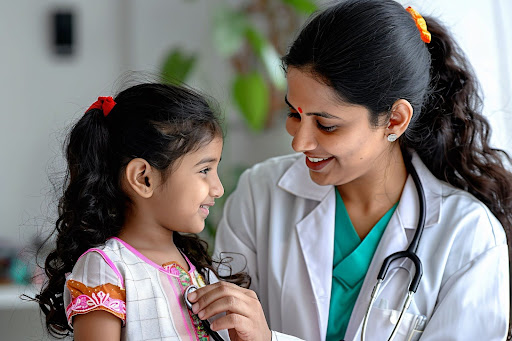
There are so many things to routine pediatric checkups than just making appointments. For tracking your child’s growth, development, and general health, it is necessary to a regular pediatric check-ups. Regular follow-ups with your pediatrician will make sure to treat issues early and keep your kid on track with health milestones. Early Detection Is Important To track whether your child’s height, weight, and development in relation to age are going properly or not, regular check-ups with your doctor allow this to be monitored easily. Early detection of any delays or odd trends improves the efficacy of treatment and gives you the right direction to move with your child’s health. Complications later in life can be avoided with early detection of conditions, including eye impairments, hearing challenges, or nutritional deficiencies. Increasing Immunity With Preventive Treatment With the help of proper preventive treatment and vaccination, children can get immunity that covers them from dangerous illnesses during examinations. Parents can also talk about behavior, mental health, sleep, and diet during these visits. Strong foundations for healthy growth are created by this regular treatment. Enhancing the Relationship Between Parents and Doctors With the regular visits, it builds trust in the relationship between the families and the healthcare professionals. Parents can freely ask any questions and problems to experts and get advice quickly. Through this collaboration, children are guaranteed to receive comprehensive care, not only medical attention when they are ill. FAQs 1. Who is the Best Pediatrician In Pimple Saudagar? ONP Leela Hospital has experienced pediatricians who provide comprehensive healthcare for newborns, infants, children, and adolescents with a focus on preventive, diagnostic, and specialized pediatric care. 2. What services do pediatricians at ONP Leela Hospital provide? Our pediatricians offer: Newborn and infant care Routine child health check-ups Vaccination and immunization Growth and developmental assessments Treatment for fever, infections, and allergies Asthma management Nutrition counseling Adolescent healthcare Pediatric emergency care 3. When should I take my child to a pediatrician? Consult a pediatrician for regular health check-ups, vaccinations, fever, cough, breathing difficulties, digestive problems, skin rashes, poor growth, developmental concerns, or any illness affecting your child’s health. 4. Does ONP Leela Hospital provide vaccination services? Yes. We offer complete childhood immunization services based on the recommended vaccination schedule to protect children from preventable diseases. 5. Can pediatricians monitor my child’s growth and development? Yes. Regular visits help monitor your child’s height, weight, nutrition, developmental milestones, behavior, and overall health, ensuring timely intervention if needed. 6. Does ONP Leela Hospital provide newborn and NICU care? Yes. We provide specialized newborn care, neonatal consultations, and advanced NICU facilities for premature and critically ill newborns. 7. What symptoms require immediate pediatric care? Seek urgent medical attention if your child has: High fever Difficulty breathing Seizures Severe dehydration Persistent vomiting Loss of consciousness Serious injury or trauma 8. Why choose ONP Leela Hospital for pediatric care in Pimple Saudagar? Parents choose ONP Leela Hospital because of: Experienced pediatricians Child-friendly environment Advanced NICU facilities Comprehensive vaccination services Modern diagnostic technology Emergency pediatric care Personalized treatment plans 9. How often should my child visit a pediatrician? Children should have regular wellness visits according to their age, scheduled vaccination appointments, and consultations whenever they are unwell or have developmental concerns. 10. How can I book an appointment with a pediatrician at ONP Leela Hospital? You can easily book an appointment through the ONP Hospitals website or contact ONP Leela Hospital directly to consult an experienced pediatrician for your child’s healthcare needs. Our Gallery Visit Our Hospital Blogs Fever in Children: When is Alright, let’s not make this complicated. Your child feels warm and suddenly everything in your… Read More Winter Infections in Kids. Early Winter often brings small health troubles for children. Many parents notice that their child falls… Read More Hand, Foot, and Mouth Disease The spreading of this disease, Hand Foot and Mouth Disease (HFMD), is a very common… Read More