
Signs You Have An Ovarian Cyst — And What To Do About It Most Are Harmless And Painless
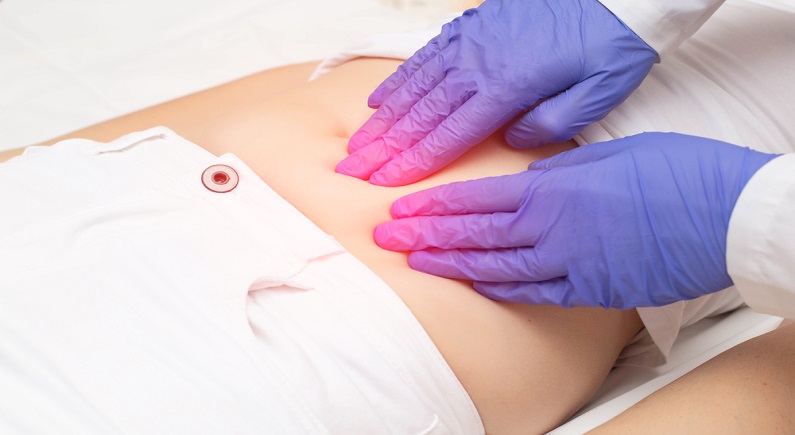
If you’re having abdominal pain or prolonged, intense discomfort that doesn’t seem quite normal, it’s possible you have an ovarian cyst. These small fluid- or tissue-filled pouches on or in your ovaries are actually very common. Here are the signs you might have an ovarian cyst and what you should do if you have one according to our experts. Common ovarian cyst signs Your ovary normally produces an ovarian cyst with ovulation. When a pregnancy does not occur after ovulation, the ovarian cyst shrinks and goes away. Some people may experience mild pain that lasts one to two days associated with ovulation.Beyond ovulation, endometriosis, and the abnormal reproduction of cells, a pelvic infection like pelvic inflammatory disease (PID) can also cause ovarian cysts.Ovarian cysts are usually small enough that most people with ovaries don’t even realize they have one. In fact, many cysts are diagnosed incidentally during annual pelvic exams or imaging tests that are performed for another reason. Even cysts that become enlarged often go unnoticed.However, if a cyst gets big enough, it may create a feeling of pressure or even pain What does an ovarian cyst feel like? Most ovarian cysts go away on their own, but if you’re feeling bloated for long periods, this could be a sign you have an ovarian cyst that’s growing. You may also feel a dull aching pain on one side of your lower abdomen, your lower back or your pelvis. Other signs you may have an ovarian cyst include:• Pain with sexual intercourse.• Changes in bowel movements or urinary habits.• Unanticipated weight loss or gain.• Feeling full too quickly when you eat.• Painful periods.• Increased urination.These symptoms can be easy to ignore, and one by itself may not be concerning. But if you’re noticing many of these together, that’s a good reason to see your doctor for an evaluation. A cyst that bleeds, bursts, or causes your ovary to twist on itself (a condition called ovarian torsion) can cause a sudden rise in the severity of pain. Other signs you may have a burst ovarian cyst include: • Nausea or vomiting.• Fever.• Unexpected vaginal bleeding.• Dizziness.• Weakness. Do the symptoms vary based on the type of cyst? In most cases, symptoms remain largely the same. But the kind of cysts that can develop in your ovaries are wide-ranging and include the following: Functional cysts. This is the most common kind of cyst, occurring as part of the normal menstrual cycle due to ovulation. Occasionally, a functional cyst may fill up with blood, making it swell and cause pain, but they’re normally painless and generally go away on their own over the course of a few weeks.Dermoid cysts or teratomas. You’re often born with this type of cyst. It can be full of all kinds of things that the body grows, like hair, teeth and even thyroid and brain tissue. Very rarely, teratomas may become cancerous.Cystadenomas. A cystadenoma can get quite large, measuring up to a foot or more in diameter. It’s like a mole in that it’s usually a normal, benign growth. And like a mole, sometimes we need to remove these to make sure they’re not cancerousEndometriomas. “These cysts develop from endometriosis (a condition in which your cells from your uterine lining grow outside of your uterus) and they can be very tender and painful.Cancerous cysts. Fortunately, ovarian cancer is rare. There’s a lifetime risk of about 1-1/2%. If you have a first-degree family member with ovarian cancer, this risk increases to 5%. People who have certain genetic conditions like breast cancer genes or Lynch syndrome also need to be more concerned if they develop a cyst. What to do if you have a cyst? If your doctor finds an ovarian cyst, you’ll most likely have a pelvic ultrasound to see what’s going on, and treatment will depend on your situation. In most cases, it may be best to closely monitor it.Depending on the appearance of the cyst, many times, we’ll wait six to eight weeks to see if it goes away on its own. A lot of cysts look just like a water balloons. There’s nothing worrisome inside them and they can be present even after menopause. It’s very reasonable just to watch these with a sonography every year to make sure they’re not growing.Occasionally, a cyst needs to be surgically removed. There are a few things we look at in a cyst to evaluate whether or not it needs to be removed. If it’s causing painful symptoms, we may want to remove it for comfort reasons or out of concern for cancer. You may also need surgery if the cyst is very large or if it looks abnormal on the ultrasound. If, for instance, the cyst has extra solid tissue growing inside it, we’ll usually get tumor marker blood tests. The most common one is cancer antigen 125 (CA125). Elevated levels make us more concerned about cancer, especially after menopause. When to see a doctor? If you experience intense pelvic pain, especially if it happens quickly, you need to get help immediately. Since a twisted ovary can reduce or stop blood flow, the sooner you get medical attention, the better chance there is for your ovary to be saved.For general pelvic pain, There can be a lot of causes, and sometimes they can be difficult to differentiate. In these cases, it’s best to go see your doctor see if they can determine the cause of your pain because sometimes it may be serious.To know more talk to our experts: https://www.onphospitals.com/gynecology
Pregnancy and Migraine Headaches: What Women Need to Know

When you are pregnant or breastfeeding, then you should be aware that migraine headaches are a normal part of the journey. Pregnant women might feel headaches owing to hormonal alterations in their bodies, which can also be triggered by stress or worry. Many individuals are unsure that migraines and pregnancy could occur together. There is a good chance that your migraines could become more frequent and powerful throughout your pregnancy, and you should be aware of the warning signals. If you’ve already had a headache after having your baby, here are some helpful recommendations. During your nine months of pregnancy timeframe, you might experience a terrible headache that could leave you in discomfort and suffering all day. It will get worse if you are sitting for an extended period of time or if your head is kept down. The effectiveness of the headache could rise as you get closer to the due date, which is common with migraines during pregnancy. You might also feel discomfort in one or both of your arms, which generally starts on one side but might spread to the other parts. Pregnant women might experience this discomfort for many days straight. When you are fatigued or performing simple activities, the discomfort could worsen. Another symptom of pregnancy migraine that you must be aware of is nausea. Nausea can vary from moderate nausea to a strong headache, and it is most likely in the morning when the entire body is still fresh and you are simply about to wake up. If you wake up experiencing nausea on a nearly daily basis, it is most likely due to other issues. When you discover that your nausea worsens whenever you eat, consider eating your meals on time and limit overeating or eating far too much. Headaches that occur during the pregnancy period could be excruciating, particularly when you experience a number of them simultaneously. If you experience one or two headache episodes, you must consult your doctor so that medication could be prescribed for you. In more severe situations, your doctor may prescribe medicines to decrease or possibly eliminate your headaches. If you had headache episodes before becoming pregnant, there are a number of factors that pregnant women should be aware of. It’s vital to keep track of how long your headaches last on average. The length varies from woman to woman based on how her body responds to stress and the medicine she is taking. Headaches can continue from just a few days to many weeks during pregnancy. If your headache does not go away throughout your pregnancy, you should consult your doctor immediately. If you decide to stick to the very same diet throughout your pregnancy and migraine headaches, your doctor can inform you exactly what he or she thinks of it. They might advise regarding which foods are beneficial for you and which are not. If you’ve had headaches episodes in the past, your doctor may also recommend you to avoid stress. Stress is a major migraine causing factor, and reducing stress is an excellent approach to help cope with headaches throughout your pregnancy period.
Why Is My Period Late?
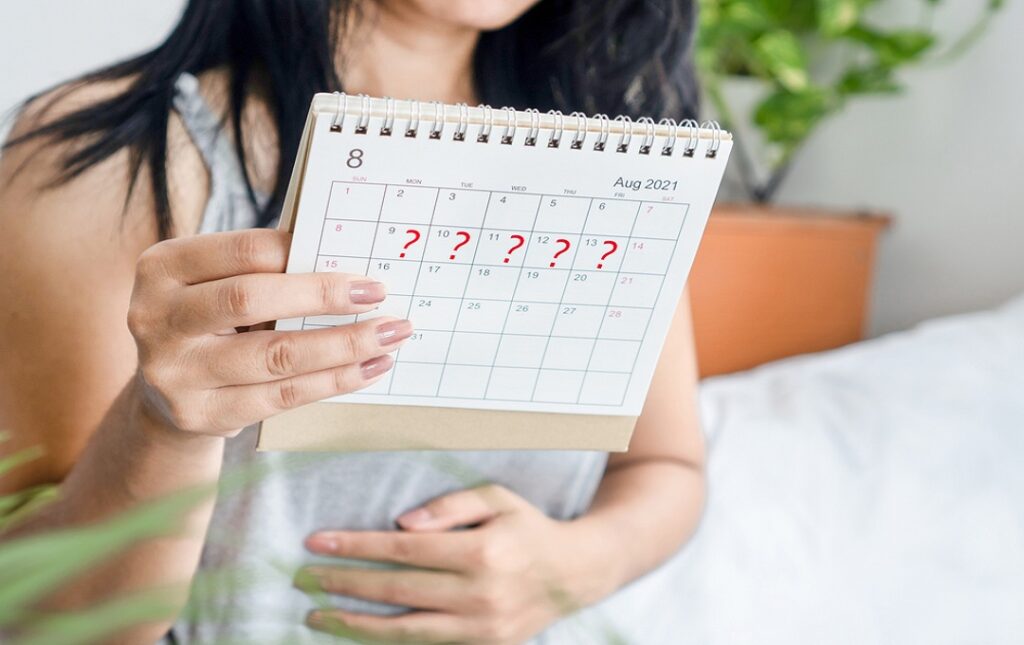
There’s nothing like a late period to add some extra stress to your life. The most obvious culprit — pregnancy — is one possibility, but there are lots of other reasons. What is a “Late” Period? Although a few people might have pinpoint predictability with periods, most have a little variation. So if your period is a day or two late, don’t panic. “Your menstrual cycle is the length of time from day one of your period today to one of your next periods. On average, these cycles are 24 to 38 days long. That means that a 28-day cycle one month and a 26-day cycle the next month is probably nothing to worry about. Your period might be considered late if : It’s been more than 38 days since your last period. You’re normally really regular, and your period is more than three days late. Things that delay your period A missed period is often the first sign of pregnancy, but there are other reasons for lateness, too. Here are some other factors that can delay your monthly flow : Extreme Diet and Exercise A healthy diet and regular exercise can do wonders for your health. But if you overdo it, you might say bye-bye to your periods, at least temporarily. “Athletes who train really hard or who don’t get enough calories may stop menstruating, It’s the body’s way of telling you that it doesn’t have enough resources to support a pregnancy.” When your periods stop due to weight loss, diet or exercise, you’re experiencing secondary amenorrhea. This means you previously had periods, but they have stopped. Secondary amenorrhea might happen to you if you : Eat an extreme, calorie-restricted diet. Have an eating disorder, such as anorexia or bulimia. Lose a lot of weight in a short amount of time. Undergo hardcore exercise training, such as for a marathon. Polycystic ovary syndrome (PCOS) is a hormonal imbalance that interferes with the release of an egg (ovulation). When you don’t ovulate, you usually don’t have a period. Many people with PCOS have irregular, late, or missing periods. Other symptoms of PCOS include : 1. Acne.2. Excess facial or body hair.3. Thinning hair.4. Weight gain or trouble losing weight.5. Doctors diagnose PCOS by checking your symptoms and performing medical tests when needed. Medication and lifestyle changes can help manage the symptoms. Stress High levels of stress aren’t just a drain on your mental well-being. They can cause physical symptoms, too — and your periods could be in the line of fire. “Minor, everyday stress usually won’t affect your period. “But big-time stressors interfere with your body’s delicate hormone balance, which can ultimately make your period late.” Some examples of major stress include: Death of a loved one. High school or college exams. Job loss Major life events, such as a wedding.5. Hormonal contraceptives Hormonal birth control contains progestin or a combination of progestin and estrogen. These hormones stop ovulation and prevent pregnancy. Hormonal contraceptives include : Oral contraceptive (“the pill”): These are pills you take every day. Birth control patch: This is a sticker that you place on your skin and replace each week. Vaginal ring: You place this ring-shaped device in your vagina and change it once a month.Injectable contraceptive: This is a shot your doctor gives you every three months. Hormonal implant: This implant is a tiny rod-shaped device that a doctor places under the skin in your upper arm. Hormonal intrauterine device (IUD): This is a T-shaped device that your doctor places inside your uterus. Some hormonal birth control causes a false period known as withdrawal bleeding. You’ll have this “period” when you have your hormone-free week with the pill, ring or patch. But if you keep taking the contraceptive without the hormone-free week, you might have some light spotting or no period at all. “It’s OK to miss a period if you’re taking hormonal contraceptives continuously. But ask your doctor before trying it to be sure it’s safe for you.” Thyroid conditions Your thyroid gland is a butterfly-shaped gland at the base of your neck. And it’s one of the many hormonal mechanisms that help dictate your periods. If it’s overactive (hyperthyroidism) or underactive (hypothyroidism), you might have a late period. “Thyroid problems are common, affecting more than 10% of women “They can cause irregular or missing periods and can be mistaken for menopause.” Youth It’s the rare young person who starts menstruating and immediately has a 28-day cycle every month. Usually, it takes a few years for things to settle down. That’s because preteens and teens have an immature hypothalamic-pituitary-ovarian (HPO) axis. “The HPO axis is the hormonal system that regulates your ovulation and menstrual cycles,” Dr. Higgins says. “It takes a few years for the HPO axis to mature and regulate your periods.” Typically, your period should even out and become more predictable in your late teens and 20s. Perimenopause Perimenopause is the transition from the reproductive years to menopause. This transition might take a year or two, or it could take several years. And during this time, your cycle might be all over the place. It could be 25 days one month and 29 the next. “Irregular periods during perimenopause are OK “but if your periods are consistently getting heavier or closer together, see your doctor.” The average age of menopause is 51, so perimenopause often begins in your 40s or 50s. Usually, perimenopause comes with other symptoms, too, such as: Hot flashes. Insomnia. Mood changes. Night sweats. Vaginal dryness. Don’t ignore a missed periodIf you keep track of your periods, you’ll probably know right away if something is amiss. Keep a period diary in your calendar or get an app designed for that purpose. Your period records can provide valuable information for you and your doctor. “Doctors want to know details about your previous periods so we can determine if there’s an issue “An occasional late period is often the result of something minor, but if you frequently have late or
What Should I Do If I Have a High-Risk Pregnancy?
Once your doctor has informed you that your pregnancy is a high risk, you’re certainly worried and have a lot of questions. Your initial step must be to compile a list of questions and schedule a consultation with your doctor to address your concerns. In the event of a high-risk pregnancy, consider asking your doctor the following questions : What Factors Contribute to The High Risk of My Pregnancy ? Pregnancy can be classified as high-risk due to a variety of causes. Being under the age of 17 or over the age of 35; having a severe health condition such as diabetes, high blood pressure, epilepsy, kidney disease, or an autoimmune disorder such as lupus; being pregnant with more than one baby; issues with a previous pregnancy or having three or more miscarriages; carrying a baby with a genetic disorder such as Down syndrome; certain infectious diseases; and taking certain prescription drugs are among these factors. Will, I Require the Assistance of Any Specialists ? Your doctor may refer you to a perinatologist or maternal-fetal medicine expert depending on the reasons that make your pregnancy high-risk. Such obstetricians offer expertise in caring for high-risk moms and fetuses, and they receive three years of advanced training in managing pregnancy issues. According to studies, when women with pregnancy disorders are treated by these experts, the results are better both for the baby and the mother. A geneticist may also be referred to you. Is There Anything I Can Do To Reduce The Dangers of My Pregnancy? Your doctor might suggest you make modifications to your diet and/or activity level, as well as make efforts to manage any chronic diseases. Are There Any Tests I’ll Need To do Besides The Regular Prenatal Screenings? Your doctor might suggest further lab, imaging, and genetic testing to monitor your health and the health of your baby, depending on what circumstances make your pregnancy high-risk. You would also visit your doctor for prenatal checks more regularly than in a typical pregnancy. What Symptoms Can Point To an Issue With My Pregnancy, and Which Signs Should Prompt Me to Seek Immediate Care? Discuss with your doctor what symptoms to look out for, when to contact your doctor, and then when to go to the urgent care. How Can I Cope With My Stress and Anxiety? While discovering that your pregnancy is high-risk is going to make you nervous, do everything you can to reduce your stress. Your doctor might propose a high-risk pregnancy support group or link you with a mental health professional. Consider adopting anxiety-reduction approaches such as meditation and breathing exercises.
Surprising Facts About the Third Trimester of a Baby

Throughout the nine months of pregnancy, both the mother and the baby undergo some incredible transformations. The bodies are growing and extending, the organs are evolving, and things are changing at a quick pace on a daily basis. Even if the baby arrives soon, he or she would be likely to survive due to advances in medicine and technology. However, the third trimester is perhaps the most difficult for the woman since she must deal with the baby bump, heartburn, eating troubles, and much more. But, at the end of the day, all of these things are quite important. Each of these changes in the body is important and must be addressed. The following are some surprising facts concerning your baby’s third trimester. The Eyes Of The Baby By the 28th week, the babies could open their eyes and could even try blinking during the third trimester. Furthermore, if they are twins, they can see, hold hands, and even reach each other’s faces. Aside from that, babies could detect light streaming out of the womb via the skin. The Dream State Many individuals are still unaware that the third trimester is a period when the brain is exceptionally active. According to the studies, babies experience REM, which is a rapid eye movement that occurs while sleeping and dreaming. However, no one knows what these babies dream about, it is wonderful to learn that dream cycles emerge at such a young age. Kick Counts By the third trimester, the baby has gotten bigger and has less room to move around. As a result, you will most likely feel the kicks and hiccups. Because newborns are frequently in motion when sleeping, a kick count could be used to determine how the baby is doing throughout the third trimester. Sound By this stage, a baby can tell the difference between his or her mother’s voice and the voice of another person. In fact, certain voices elicit a more favorable response than others. As a result, talking to your baby throughout the third trimester is an excellent idea. Fingernails By the third trimester, not only has the baby developed fingers, but his or her nails have also finished developing. Fingernails and toenails develop at the end of the first trimester and expand during the second. At around 34 weeks, they are fully developed. Eating Issues Because of the developing uterus, the stomach might get unusually congested during this stage, causing the mother to feel fuller sooner. It can also create digestive problems and heartburn, making eating even more difficult. Smelling Sense According to research, babies can recognize their mothers by their smell even when they are only a few days old. They can also recognize breastmilk, and their sense of smell develops fully by the third trimester. Hair Hair begins to form on the baby’s head at 30 weeks pregnant, while eyelashes and brows appear around week 32. However, the kid will shed some of his or her hair by birth, the color of his or her hair would most likely alter based on genetics. Bathroom Difficulties A woman’s hormonal problems aren’t the only ones she has to deal with at this stage. The bladder is now squeezed beneath the uterus, which is increasing by the day. Digestion slows dramatically, which is why some women get constipation. Lactation Many women are concerned about their ability to produce milk, yet for others, the milk arrives early and could even leak out through the third trimester. This is most common among women who have already undergone pregnancy before. Swelling Pregnant women are presumed to gain weight during the third trimester, but many are unaware that swelling might cause them to gain inches. However, edema can develop at any moment during pregnancy, it is more likely to happen during the third trimester. Vernix Just before the third trimester starts, a waxy layer forms on the baby’s skin. It seems cheesy and is a creamy milk color that covers the baby’s skin. It keeps the baby warm while also acting as a lubricant, allowing the baby to slip out during delivery. Regularly Scheduled Doctor’s Visits Previously, your visits to the doctor were reduced to once or twice a month at most. But at this stage your due date is approaching, everyone wishes you a safe birth. The specialist will keep a careful eye on the mother’s health and might ask her to visit once or twice each week. The Weight of The Baby By the completion of the last weeks, the baby might weigh anything from half a pound to a full pound. The majority of this weight increase is fat. Fat is incredibly beneficial to the baby since it assists in brain development and supplies the body with additional energy to maintain body temperature. Doctors commonly give the mother a due date, but that’s only an estimate; the baby might arrive late or early. The baby reaches full term at 37 weeks but can arrive sooner; nevertheless, there is no need to be concerned because a baby delivered at this stage will be just as healthy.