
Does Your Child Have Night Terrors?

Child tucked into bed with white covers you’ve ever been woken at night by your child screaming and thrashing in bed only to realize they’re still asleep, chances are your child is experiencing a night terror. While these episodes are alarming to witness, they are usually not causing concern. It is much harder on the parent to watch [a night terror] than it is on the child to experience it, days Dr. Amita Phadnis, CMD and HOD of Pediatrics and Neonatology department at Oyster and Pearl Hospital, Pune. What are night terrors? Night terrors are a fear reaction that disrupts sleep. They generally occur during the first third of the night as your child transitions from the deepest stage of sleep to a lighter one.During a night of terror, your child may:Sit uprightShout or flailBe unaware of their surroundingsNot respond when spoken toSweat, breath very fast, have a rapid heart rate and dilated pupils How are night terrors different from nightmares? Night terrors are often confused with nightmares. A key difference is that children often wake up during nightmares and remember each scary detail. That’s because nightmares occur during the rapid eye movement (REM) stage of sleep when your child is dreaming. During night terrors, children remain in a deep, non-dreaming stage of sleep, even though they may appear to be awake. They have no memory of the night terror when they wake up the next morning because night terrors have no mental images associated with them. As children don’t remember these episodes, it’s best not to describe or reenact them, either to your child or within their earshot.Night terrors do not create a visual memory, so your child cannot describe what triggered the episode “But children are observant and if their caregiver retells a scary nighttime event, it can scare the child.” What triggers night terrors? Night terrors are most common in children ages 4-12 and often disappear entirely by the time a child reaches their teens. While night terrors tend to happen randomly, the tendency to have them may run in families. Night terrors may be triggered by: CaffeineMedicationsIllnessBeing overtiredSleeping in a new environment What should I do while my child is having a night of terror? As a parent, your natural instinct may be to console your child. But waking your child from a night terror may disorient and confuse them. Remember, your child is in a deep sleep and will have no memory of the episode. It is recommended to stay nearby your child – to ensure they are safe – until the night terror passes. Most episodes don’t last more than a few minutes. Children with night terrors may also sleepwalk. If your child sleepwalks (or has in the past) make sure all entryway doors and windows are locked and that the sleeping environment is safe each night before bedtime. Is there anything I can do to prevent night terrors? Being overtired or feeling stress are known triggers for night terrors. It is recommended that parents try the following to calm and relax their children before bedtime: Make time for young children to nap during the day so they don’t get overtired.Create a calming and simple nighttime routine, such as a warm bath and a book or puzzle before bed.Stick to a consistent bedtime for your child.If your child experiences repeated night terrors or other sleep-related issues, such as snoring, sleepwalking, or bedwetting. Rest assured: Most children outgrow night terrors. And when that happens, the entire household will sleep more soundly. Stay in Touch Talk to our expert Dr. Amita Phadnis, with 35+ years of experience in Pediatrics and Neonatology. Get expert guidance on your child’s health, growth, development, and overall well-being. For advanced newborn care and specialized pediatric services, trust ONP Hospitals, the Best Neonatal Care Hospital in Pune, offering comprehensive care for newborns, infants, and children. FAQ’s 1. What are night terrors in children? Night terrors are episodes of intense fear, screaming, crying, or agitation that occur during deep sleep. Children may appear awake but are usually unaware of their surroundings and often do not remember the episode the next morning. 2. Does your child have night terrors every night? Night terrors can occur occasionally or more frequently in some children. While occasional episodes are common, frequent night terrors may require evaluation by a pediatrician. 3. What causes night terrors in children? Night terrors can be triggered by sleep deprivation, stress, anxiety, fever, irregular sleep schedules, certain medications, or a family history of sleep disorders. 4. At what age do night terrors usually occur? Night terrors are most common in children between the ages of 3 and 12 years and often improve as the child grows older. 5. How are night terrors different from nightmares? Night terrors occur during deep non-REM sleep, and children usually do not remember them. Nightmares occur during REM sleep, and children often recall the dream after waking up. 6. What are the signs that a child has night terrors? Common signs include sudden screaming, crying, sweating, rapid breathing, increased heart rate, confusion, and difficulty being comforted during sleep. 7. Should I wake my child during a night terror? No. It is generally not recommended to wake a child during a night terror. Instead, ensure their safety and allow the episode to pass naturally. 8. When should I consult a doctor for my child’s night terrors? Consult a pediatrician if night terrors occur frequently, disrupt sleep significantly, lead to injury, persist into adolescence, or are accompanied by other unusual symptoms. 9. How can I help prevent night terrors in my child? Maintaining a regular sleep schedule, ensuring adequate sleep, reducing stress, creating a calming bedtime routine, and managing illnesses promptly may help reduce night terrors. 10. Can night terrors be a sign of an underlying medical condition? In some cases, night terrors may be associated with sleep disorders, anxiety, neurological conditions, or other medical issues that require professional evaluation. Our Gallery Visit Our Hospital Blogs Fever in Children:
What Is The Best Sleeping Position?

Most people spend a third of their lives either asleep or resting, according to the Sleep Foundation. During sleep, the body recharges and repairs itself. And a good night’s sleep often can be determined by what position you are lying in bed.Back-sleepers beware.Many people find it to be comfortable because they’re not putting weight on their joints. But our experts say sleeping on your back is actually the worst sleeping position, especially if you have sleep apnea. Sleeping on the back means that your tongue and jaw can fall down and crowd your airway. And many people snore more on their back Sleeping on your stomach helps keep the airway open, but it can put a strain on your spine and neck. There’s a host of evidence overall suggesting that probably sleeping on the side is better,Side sleeping helps prevent the airway from collapsing and can reduce snoring. And so, all in all, sleeping on the side — perhaps with their head slightly elevated as long as that’s comfortable — is a good way to sleepSide sleeping also is recommended during pregnancy, especially in the last trimester. And sleeping on the left side is best because it keeps pressure off internal organs and promotes healthy blood flow. When you are in the third trimester of pregnancy and when you sleep on your back, the uterus is compressing your inferior vena cava. It’s compressing the arterial system. Sleeping on your side also is considered by the Sleep Foundation as the best for people with neck and back pain, especially if you place a small pillow between your knees. Because if you don’t have a pillow between your knees, that stress of sleeping on the side pulls on your hip and can cause some issues.To know more, Talk to our experts – https://www.onphospitals.com/internal-medicine/ FAQs 1. Who is the best gynecologist in Pune? The Best Gynecologist In Pune is one who combines clinical expertise, years of experience, advanced treatment options, and compassionate care. ONP Hospitals has an experienced team of gynecologists specializing in pregnancy care, gynecological disorders, fertility, and minimally invasive surgeries. 2. When should I consult a gynecologist? You should consult a gynecologist if you experience: Irregular or painful periods Heavy menstrual bleeding Pelvic pain PCOS symptoms Pregnancy planning Infaired fertility Menopause-related concerns Vaginal infections or abnormal discharge 3. What conditions do gynecologists treat? Gynecologists diagnose and treat: PCOS Endometriosis Uterine fibroids Ovarian cysts Menstrual disorders Infertility High-risk pregnancy Menopause Cervical and uterine conditions 4. Does ONP Hospitals provide pregnancy and maternity care? Yes. ONP Hospitals offers comprehensive maternity services, including prenatal care, fetal monitoring, normal and cesarean deliveries, high-risk pregnancy management, postpartum care, and neonatal support. 5. Is laparoscopic gynecological surgery available at ONP Hospitals? Yes. ONP Hospitals specializes in advanced minimally invasive laparoscopic procedures for fibroids, ovarian cysts, endometriosis, hysterectomy, and several other gynecological conditions, helping patients recover faster with minimal discomfort. 6. Can a gynecologist help with PCOS and infertility? Yes. Experienced gynecologists diagnose and manage PCOS, hormonal disorders, ovulation problems, and infertility. They also provide fertility assessments and recommend treatments such as ovulation induction, IUI, or IVF when appropriate. 7. How often should women visit a gynecologist? Women should have a routine gynecological examination at least once a year. Regular visits help detect health issues early, monitor reproductive health, and support preventive care. 8. What happens during the first gynecologist consultation? Your first consultation may include: Medical and menstrual history review Discussion of symptoms Physical examination (if required) Ultrasound or laboratory tests (when needed) Personalized treatment and lifestyle recommendations 9. Does ONP Hospitals provide preventive women’s health screenings? Yes. ONP Hospitals offers preventive women’s health services, including cervical cancer screening, breast examinations, reproductive health assessments, menopause care, and routine wellness check-ups. 10. Why choose ONP Hospitals if you are looking for the Best gynecologist in Pune? Patients choose ONP Hospitals because of: Experienced gynecologists and obstetricians High-risk pregnancy expertise Advanced laparoscopic surgery Fertility and IVF services Modern diagnostic technology Personalized treatment plans Comprehensive maternity and women’s healthcare under one roof Our Gallery Visit Our Hospital Blogs Why IVF Fails? 7 Hidden You do everything right. Pick a good clinic, follow every instruction, stay hopeful and then… Read More Common Gynecological Problems Women Often Common Gynecological Problems Women Often Ignore In day-to-day hospital practice, many women come only after… Read More Navigating the Path to Normal The process of childbirth is a transformative journey, and many expectant mothers aspire to achieve… Read More
First Aid Is The First And Immediate Assistance
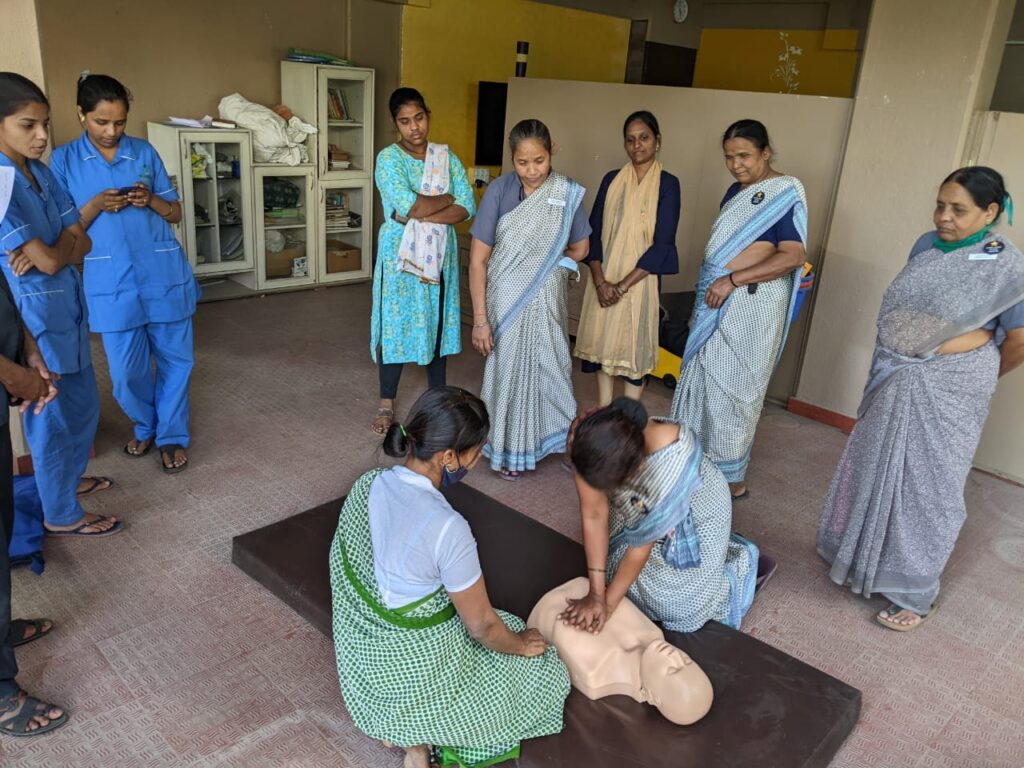
First aid is the first and immediate assistance given to any person suffering from either a minor or serious illness or injury, with care provided to preserve life, prevent the condition from worsening, or promote recovery. It includes initial intervention in a serious condition prior to professional medical help being available, such as performing cardiopulmonary resuscitation (CPR) while waiting for an ambulance, as well as the complete treatment of minor conditions, such as applying a plaster to a cut. Having the practical skills, knowledge, and confidence to act swiftly in the event of a witnessed cardiac arrest is the best chance of helping someone survive an out-of-hospital cardiac arrest until the emergency services can arrive on the scene.Our staff is well trained, certified, and always ready to help your loved ones. Early recognition, immediate CPR, and prompt medical intervention can significantly improve outcomes in out-of-hospital cardiac arrest situations. For advanced cardiac care, emergency cardiac treatment, and comprehensive heart health services, trust ONP Hospitals, one of the Best Cardiology Hospitals in Pune, with experienced specialists and state-of-the-art medical facilities dedicated to heart care. FAQ’s 1. What is first aid and why is it important? First aid is the first and immediate assistance provided to a person who is injured or suddenly becomes ill before professional medical help arrives. It can help save lives, prevent complications, and promote recovery. 2. What is the purpose of first aid? The main goals of first aid are to preserve life, prevent the condition from worsening, and support recovery until emergency medical services can take over. 3. When should first aid be administered? First aid should be provided immediately after an accident, injury, medical emergency, burn, bleeding episode, choking incident, or sudden illness occurs. 4. What are the basic steps of first aid? Basic first aid includes assessing the situation, ensuring safety, checking responsiveness, calling for emergency assistance, providing CPR if needed, controlling bleeding, and monitoring the person’s condition. 5. Why is immediate first aid important during emergencies? Immediate first aid can reduce the severity of injuries, prevent further harm, increase survival rates, and improve recovery outcomes before professional medical care is available. 6. What should I do if someone is unconscious? Check for breathing and responsiveness, call emergency services, place the person in the recovery position if they are breathing, and begin CPR if they are not breathing normally. 7. Can first aid help during a cardiac arrest? Yes. Immediate CPR and the use of an automated external defibrillator (AED), if available, can significantly improve survival rates in cases of cardiac arrest. 8. What should I do for severe bleeding? Apply direct pressure to the wound using a clean cloth or bandage, elevate the injured area if possible, and seek emergency medical attention immediately. 9. What are the essential items in a first aid kit? A first aid kit should include bandages, gauze, antiseptic wipes, adhesive tape, scissors, gloves, pain relievers, a thermometer, and emergency contact information. 10. Who should learn first aid? Everyone can benefit from learning first aid, including parents, teachers, caregivers, office workers, students, and community members, as emergencies can happen anywhere. Our Gallery Visit Our Hospital Blogs Fever in Children: When is Alright, let’s not make this complicated. Your child feels warm and suddenly everything in your… Read More Importance of Regular Health Checkups Imagine your body is like a car. If you never check it, never clean it,… Read More When Should You Consult a As you become older, aches and pains may become more common, but that doesn’t always… Read More
How Long Should It Take You to Have a Bowel Movement?

The short answer from a colorectal surgeon- The first thing you need to do is leave your phone outside the bathroom. Don’t take the newspaper, your book, your iPhone, or any other device in there with you. The bathroom is meant for one reason and one reason only — and that’s to empty your bladder and have a proper bowel movement. What that means is if you have a proper diet with good fiber and enough water intake, your bowel movements should be a very short occurrence. You should be able to sit down on the toilet with minimal straining, if any, and complete your bowel movement within a few minutes. In general, five minutes should be the maximum time you spend on the toilet, as prolonged sitting and excessive straining can increase the risk of hemorrhoids and other colorectal issues. If you experience persistent constipation, difficulty passing stools, or other digestive concerns, consult the specialists at ONP Hospitals, one of the Best Multispeciality Hospitals in Pimpri Chinchwad, for expert diagnosis and comprehensive gastrointestinal care. FAQ’s 1. How long should it take you to have a bowel movement? A healthy bowel movement should typically take between 1 and 5 minutes. Spending significantly longer on the toilet may indicate constipation, straining, or other digestive concerns. 2. Is it normal to spend more than 10 minutes on the toilet? Occasionally, yes. However, regularly spending more than 10 minutes on the toilet may increase the risk of hemorrhoids and could be a sign of an underlying bowel issue. 3. What is considered a healthy bowel movement? A healthy bowel movement is easy to pass, requires minimal straining, occurs regularly, and produces soft, well-formed stools. 4. Why does it take me so long to have a bowel movement? Common reasons include constipation, low fiber intake, dehydration, lack of physical activity, certain medications, or gastrointestinal conditions affecting bowel function. 5. Can prolonged sitting on the toilet be harmful? Yes. Sitting on the toilet for extended periods can increase pressure on the rectal veins, contributing to hemorrhoids and discomfort. 6. How often should I have a bowel movement? Normal bowel habits vary from person to person. Anywhere from three bowel movements per day to three per week can be considered normal if stools are passed comfortably. 7. What causes difficulty passing stools? Difficulty passing stools may result from constipation, dehydration, inadequate fiber intake, stress, medication side effects, or digestive disorders. 8. How can I improve my bowel movements naturally? Increase dietary fiber, drink plenty of water, exercise regularly, avoid delaying bowel movements, and maintain a consistent bathroom routine. 9. When should I see a doctor about bowel movement problems? Consult a doctor if you experience persistent constipation, blood in the stool, severe abdominal pain, unexplained weight loss, or significant changes in bowel habits. 10. Can stress affect bowel movements? Yes. Stress can influence digestive function and may contribute to constipation, diarrhea, bloating, or irregular bowel habits. Our Gallery Visit Our Hospital Blogs Pregnancy and Migraine Headaches: What When you are pregnant or breastfeeding, then you should be aware that migraine headaches are a… Read More Why Is My Period Late? There’s nothing like a late period to add some extra stress to your life. The… Read More What Should I Do If Once your doctor has informed you that your pregnancy is a high risk, you’re certainly… Read More
Rotator Cuff Injuries

Your rotator cuff often gets talked about like it’s just one thing. In reality, though, it’s a collection of four small muscles and a network of tendons that work together to help you lift and move your arms. These muscles and tendons work to keep the ball of your upper arm bone in your shoulder socket. It’s a tough job, with inevitable wear and tear, which can lead to: Rotator Cuff Tears This injury is exactly what it sounds like. It’s a tear — either partial or full — of a rotator cuff tendon connected to your arm bone. Your tendon can tear from a single event, like falling down on an outstretched arm. It also may deteriorate slowly over time due to repetitive motion. (For example, a plumber who frequently raises their arms overhead can develop a rotator cuff tear.) If you experience shoulder pain at night that makes it difficult to fall asleep or jolts you awake, you may have a tear in one or more of your rotator cuff tendons. You also may have this type of injury if you feel pain when lifting your arms overhead (like when brushing your hair) or weakness in your shoulder when trying to lift anything above shoulder level. Initial treatment typically involves relative rest, the application of ice, and sometimes the use of over-the-counter (OTC) nonsteroidal anti-inflammatory drugs (NSAIDs). Physical therapy is also frequently prescribed. Rotator Cuff Tendonitis Rotator cuff tendonitis happens when tendons in your joints become inflamed and irritated. The pain usually hits on the front and side of your shoulder. You might also feel a little stiffness. This condition can occur with activities that involve using your arms overhead, like tennis, yoga, or painting a room Treatment typically involves rest, applying ice, and taking NSAIDs. Most people recover from tendonitis within a few weeks. Rotator Cuff Bursitis Small sacs of fluid called bursae hold an important job in your shoulder. They provide lubrication and act as cushions to reduce rubbing and friction as your muscles, tendons, and bones move around. Overuse of your shoulder or keeping your joint in an awkward position can aggravate the bursae, leading to the swelling and inflammation that defines bursitis. The injury often occurs in tandem with tendonitis, with a similar pain and treatment approach. (Lower your chances of dealing with bursitis by using these life tips, stretches, and exercises recommended by a physical therapist.) Shoulder Impingement Syndrome If one of the above rotator cuffs issues lands on your medical chart, a condition called shoulder impingement syndrome may follow. Swelling from a rotator cuff injury can lead to lead to rubbing or even a “pinch” of your muscles and tendons threading through the tight space. This impingement can cause considerable discomfort. Symptoms typically calm down over weeks to months with physical therapy, rest, ice, and NSAIDs. Frozen Shoulder There’s a formal name — adhesive capsulitis — for the painful condition where your shoulder becomes stiff and can’t move. Most people, though, know it by a more descriptive moniker: frozen shoulder. The condition occurs when the connective tissue in your shoulder’s ball-and-socket joint thickens and stiffens. This makes it difficult to move your arm without a whole lot of pain. The less you move your arm, the more the problem grows. Eventually, your shoulder feels frozen in place. (Hence, the name.) While some people develop adhesive capsulitis following an injury, many who are diagnosed with frozen shoulder cannot recall any injury. It’s also seen more frequently in people with diabetes, Parkinson’s disease, and a few other conditions for reasons that aren’t quite clear. Frozen shoulder can take several months to resolve, even with aggressive treatment. Exercises and stretches that target the range of motion in your shoulder also can be useful to keep symptoms at bay. The onset of stiffness in your shoulder following a period of immobilization, such as using a sling to protect your arm after a fracture, is a different condition than a true frozen shoulder. Post-injury stiffness typically responds quite quickly to physical therapy. Calcific Tendonitis Another worry with your shoulder? Something called calcific tendonitis. This condition — which is less common — develops when calcium deposits build up within tendons running through your shoulder. The bigger these deposits grow, the more irritation and pain they cause. Calcific tendonitis can arise in the face of chronic tendonitis of the rotator cuff. The deposits can typically be seen on X-rays. Treatment usually centers on physical therapy, NSAIDs and steroid injections. In some cases, additional orthopedic evaluation may be required to determine the most effective treatment plan and prevent further complications. For expert diagnosis and advanced treatment of joint, bone, and musculoskeletal conditions, consult specialists at ONP Hospitals, a trusted Orthopaedic Hospital in Pune, offering comprehensive orthopedic care and personalized treatment solutions. Shoulder Osteoarthritis A deep ache in the back of your shoulder may be a sign of osteoarthritis. This pain follows the deterioration of cartilage, the cushioning material that covers the ends of your bones. As osteoarthritis worsens, stiffness in your shoulder develops to the point where you might lose the ability to reach behind your back. Osteoarthritis symptoms develop over time. For some people, a shoulder injury from sports or some other activity may kick off a degenerative process that eventually results in osteoarthritis. But many people have no specific cause — it’s just worn and tear over time. Treatment for osteoarthritis of the shoulder is similar to treatment for a rotator cuff tear. If the condition is severe, you can undergo shoulder joint replacement surgery, which is similar to joint replacement for hips and knees. Other Forms of Shoulder Arthritis While osteoarthritis may be the most common form of shoulder arthritis, there are a few more types that can bring pain. The list includes: Rheumatoid arthritis. This chronic autoimmune disease targets joints in your body, including your shoulder.Post-traumatic arthritis. A shoulder injury may heal, but there can be long-term damage that shows itself later through post-traumatic arthritis.Rotator
Build Resilience To Better Handle Diabetes
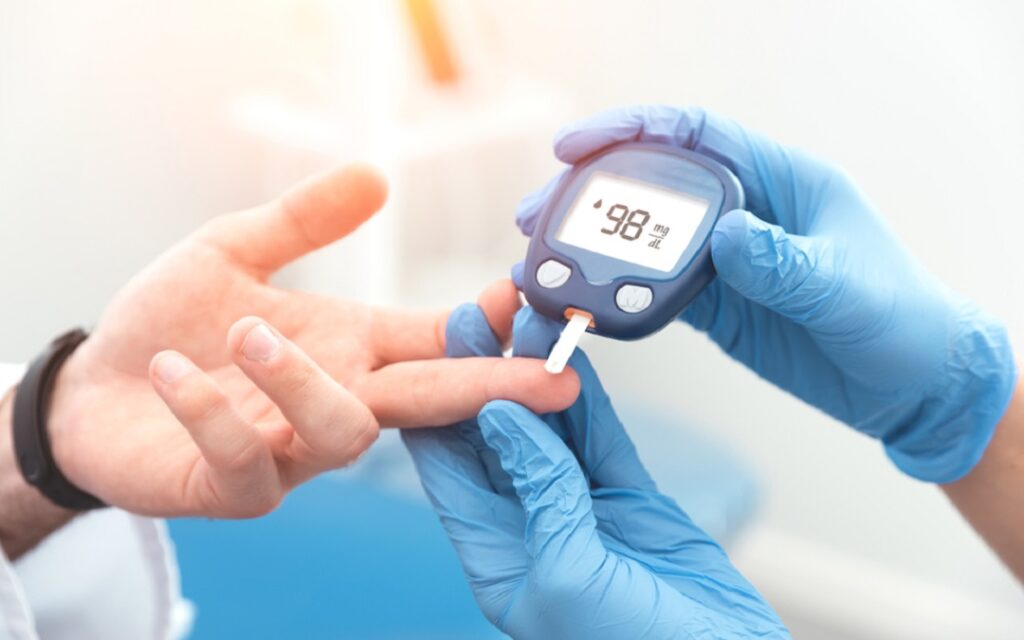
Resilience is the ability to withstand and bounce back from adversity. Studies in people with diabetes have shown that high resilience levels are related to lower A1C levels, indicating better glycemic control. Some people are lucky enough to be born with a high resilience level, but even if you’re not one of them, you can still boost your resilience. Resilience can help you reduce stress and anxiety and improve your coping skills. Here are some tips to get you started :1. Make connections. Maintain good relationships with close family members and friends. Accept their support, and offer it in return.2. Accept that change is part of life. Accept circumstances that can’t be changed. Instead, focus on what you can change.3.Take action. When there are situations you can change, take action. Don’t cut yourself off from problems and wish they would disappear.Keep things in perspective. When you’re facing difficult circumstances, think about the problems in the big picture. Have a long-term perspective — such as thinking about whether it will matter in five years. Avoid making a small thing a bigger problem than it really is. Keep a positive and hopeful outlook. Cultivate an optimistic outlook. Think that good thing will happen in your future and life. Picture what you want in the future instead of worrying about your fears. Take care of yourself. Get regular exercise, eat a healthy diet, get enough sleep, and practice self-care. Consider meditating or joining a faith community. Get involved in activities that are fun and relaxing for you. You’ll be better able to cope with challenges when you’re mentally and physically strong. If stress is affecting your physical or mental health, seek expert medical guidance at ONP Hospitals, an Advanced Multi Specialty Hospital in Pune, offering comprehensive healthcare services with experienced specialists and personalized treatment plans. FAQ’s 1. What does it mean to build resilience to better handle diabetes? Building resilience means developing the emotional, mental, and physical strength needed to manage diabetes effectively, cope with challenges, and maintain a healthy lifestyle despite setbacks. 2. Why is resilience important for people with diabetes? Resilience helps individuals stay motivated, manage stress, follow treatment plans, maintain healthy habits, and improve long-term diabetes outcomes. 3. How can I build resilience to better handle diabetes? You can build resilience by setting realistic health goals, maintaining a support system, practicing stress-management techniques, staying physically active, and working closely with your healthcare team. 4. Can stress affect diabetes management? Yes. Stress can increase blood sugar levels, affect eating habits, disrupt sleep, and make it more difficult to manage diabetes effectively. 5. What are the best stress-management techniques for people with diabetes? Helpful techniques include regular exercise, meditation, deep breathing exercises, mindfulness, yoga, adequate sleep, and seeking emotional support from family, friends, or healthcare professionals. 6. How does a positive mindset help with diabetes? A positive mindset can improve motivation, encourage healthy decision-making, reduce stress, and help individuals stay committed to diabetes management goals. 7. Can resilience improve blood sugar control? Yes. People who develop strong coping skills and resilience are often better able to maintain healthy routines, which can contribute to improved blood sugar management. 8. What role does physical activity play in building resilience? Regular physical activity helps reduce stress, improve mood, boost energy levels, support blood sugar control, and strengthen both physical and mental well-being. 9. How can family support help people with diabetes? Family support can encourage healthy lifestyle choices, provide emotional encouragement, improve treatment adherence, and help individuals stay motivated during challenging times. 10. What are common emotional challenges faced by people with diabetes? Many individuals experience stress, anxiety, frustration, diabetes burnout, fear of complications, and concerns about managing their condition over the long term. Our Gallery Visit Our Hospital Blogs Importance of Regular Health Checkups Imagine your body is like a car. If you never check it, never clean it,… Read More Plant-Powered Health: Exploring the Benefits The debate between vegetarian and non-vegetarian diets has been ongoing for years, with both sides… Read More When Should You Consult a As you become older, aches and pains may become more common, but that doesn’t always… Read More
ONP Hospitals ties up with Credai Pune
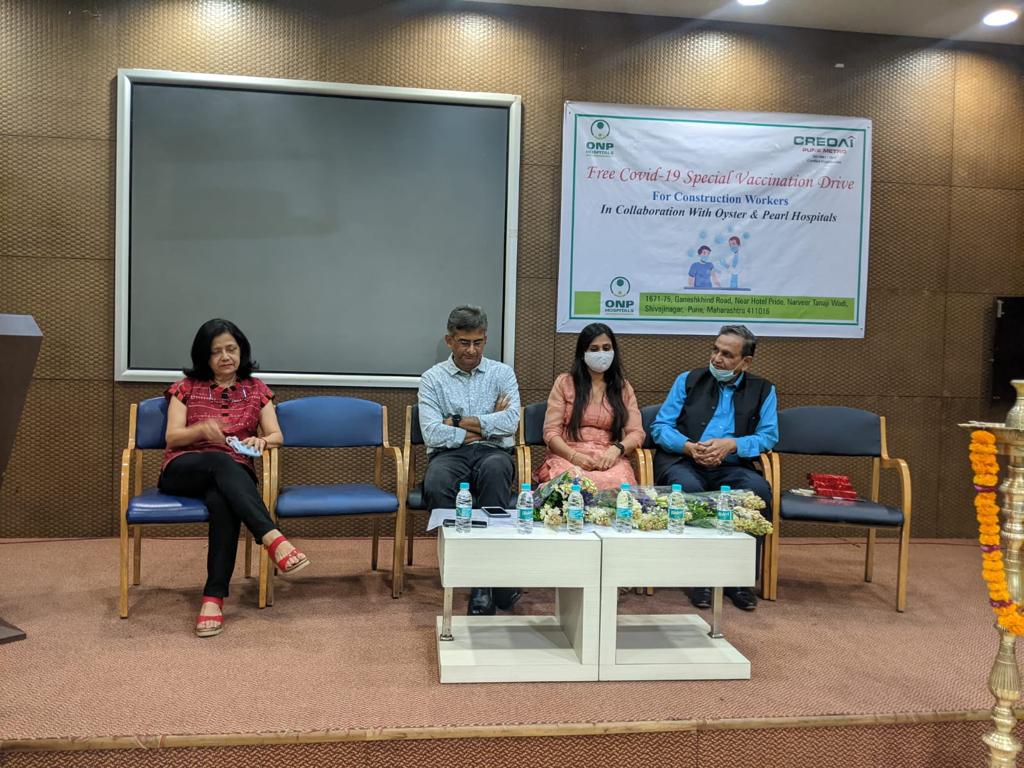
Covid has played havoc with lives & livelihood.ONP Hospitals ties up with Credai Pune Metro to roll out for Free OnSite Vaccine & Health Camps for Construction Labourers. It is very fulfilling to be able to contribute to Covid मुक्ती अभियान & to Public Health. On the dias, dignitaries of Credai, Mr. Ranjit Naiknavare, Dr Abhyankar & Ms Sapna Rathi with Dr. Amita Phadnis & team of ONP Hospitals Visit Our Hospital Related Blogs Fever in Children: When is Alright, let’s not make this complicated. Your child feels warm and suddenly everything in your… Read More Importance of Regular Health Checkups Imagine your body is like a car. If you never check it, never clean it,… Read More Probiotics for Children: When and Parents often hear the word probiotics but may not be sure how they help a… Read More