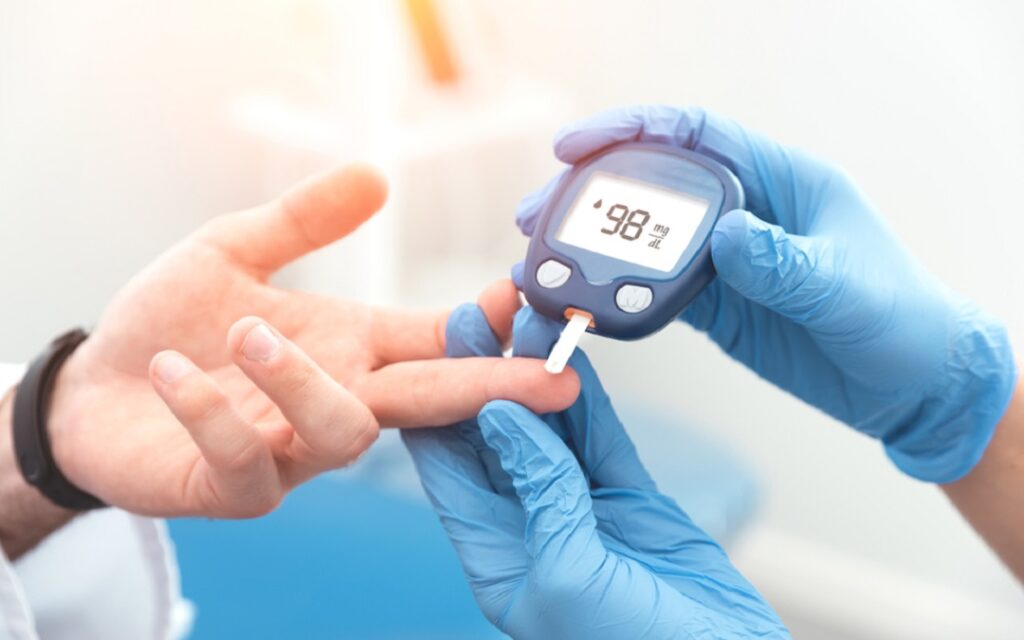
Resilience is the ability to withstand and bounce back from adversity. Studies in people with diabetes have shown that high resilience levels are related to lower A1C levels, indicating better glycemic control.
Some people are lucky enough to be born with a high resilience level, but even if you’re not one of them, you can still boost your resilience. Resilience can help you reduce stress and anxiety and improve your coping skills. Here are some tips to get you started :
1. Make connections. Maintain good relationships with close family members and friends. Accept their support, and offer it in return.
2. Accept that change is part of life. Accept circumstances that can’t be changed. Instead, focus on what you can change.
3.Take action. When there are situations you can change, take action. Don’t cut yourself off from problems and wish they would disappear.
Keep things in perspective. When you’re facing difficult circumstances, think about the problems in the big picture. Have a long-term perspective — such as thinking about whether it will matter in five years. Avoid making a small thing a bigger problem than it really is. Keep a positive and hopeful outlook. Cultivate an optimistic outlook. Think that good thing will happen in your future and life. Picture what you want in the future instead of worrying about your fears. Take care of yourself. Get regular exercise, eat a healthy diet, get enough sleep, and practice self-care. Consider meditating or joining a faith community. Get involved in activities that are fun and relaxing for you. You’ll be better able to cope with challenges when you’re mentally and physically strong.
If stress is affecting your physical or mental health, seek expert medical guidance at ONP Hospitals, an Advanced Multi Specialty Hospital in Pune, offering comprehensive healthcare services with experienced specialists and personalized treatment plans.
FAQ’s
1. What does it mean to build resilience to better handle diabetes?
Building resilience means developing the emotional, mental, and physical strength needed to manage diabetes effectively, cope with challenges, and maintain a healthy lifestyle despite setbacks.
2. Why is resilience important for people with diabetes?
Resilience helps individuals stay motivated, manage stress, follow treatment plans, maintain healthy habits, and improve long-term diabetes outcomes.
3. How can I build resilience to better handle diabetes?
You can build resilience by setting realistic health goals, maintaining a support system, practicing stress-management techniques, staying physically active, and working closely with your healthcare team.
4. Can stress affect diabetes management?
Yes. Stress can increase blood sugar levels, affect eating habits, disrupt sleep, and make it more difficult to manage diabetes effectively.
5. What are the best stress-management techniques for people with diabetes?
Helpful techniques include regular exercise, meditation, deep breathing exercises, mindfulness, yoga, adequate sleep, and seeking emotional support from family, friends, or healthcare professionals.
6. How does a positive mindset help with diabetes?
A positive mindset can improve motivation, encourage healthy decision-making, reduce stress, and help individuals stay committed to diabetes management goals.
7. Can resilience improve blood sugar control?
Yes. People who develop strong coping skills and resilience are often better able to maintain healthy routines, which can contribute to improved blood sugar management.
8. What role does physical activity play in building resilience?
Regular physical activity helps reduce stress, improve mood, boost energy levels, support blood sugar control, and strengthen both physical and mental well-being.
9. How can family support help people with diabetes?
Family support can encourage healthy lifestyle choices, provide emotional encouragement, improve treatment adherence, and help individuals stay motivated during challenging times.
10. What are common emotional challenges faced by people with diabetes?
Many individuals experience stress, anxiety, frustration, diabetes burnout, fear of complications, and concerns about managing their condition over the long term.