You do everything right. Pick a good clinic, follow every instruction, stay hopeful and then...
Read MoreDelivery
Delivery
Gynecology (GYN) is a specialized field of medical science that deals with the wellness of the female reproductive organs, including vaginal, uterine, ovarian, and breast health. A gynecologist is an expert who takes care of your health from teenage to menopause.
Different conditions are treated in this department. Therefore, here is a brief about Gynecology, some conditions, diagnostic tests, and treatment care plans.
- 24/7 Care
- Expert Doctors
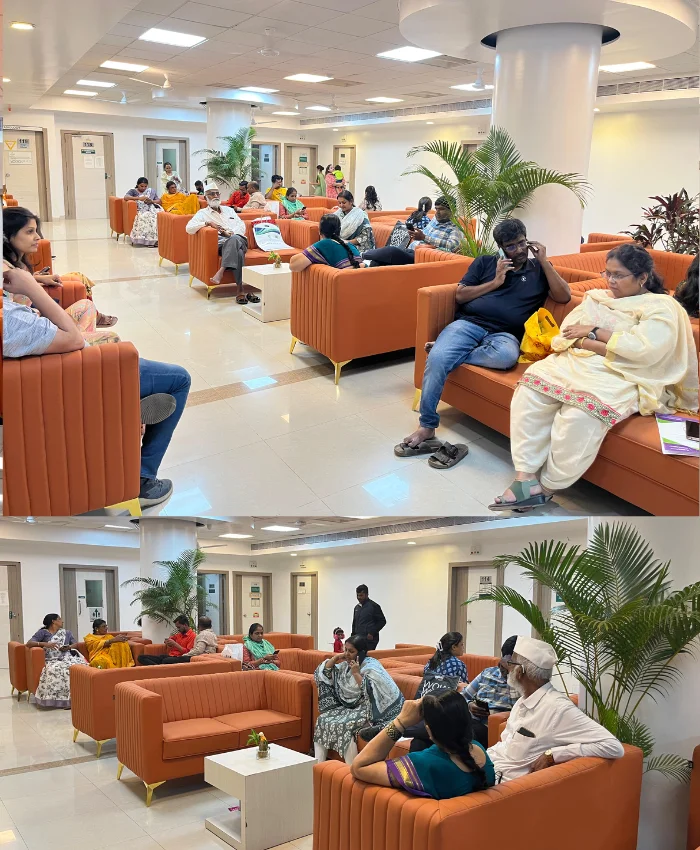
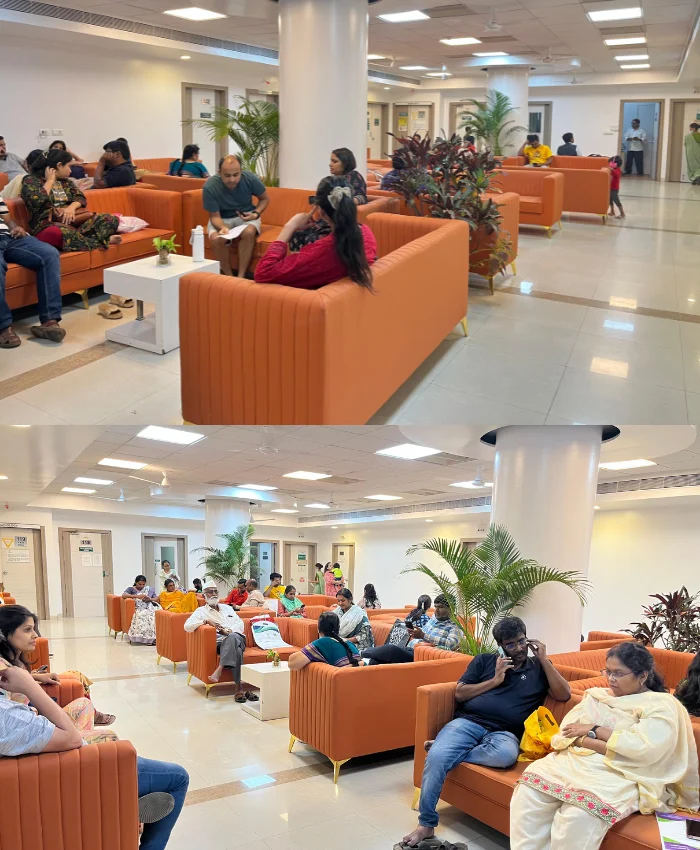
- Modern Facilities
Everything You Need To Know About Delivery
What is pregnancy labor and delivery?
There are several definitions of labor that have been offered by different writers. When it happens after the age of viability and is linked with cervical dilatation and effacement along with the descent of the presenting part, it may be considered the commencement of painful and palpable uterine contractions that culminate in vaginal expulsion of the conceived product(s).
Retrospective evidence shows that normal labor begins spontaneously at term, involves a singleton pregnancy, has no difficulties, and lasts no more than 20 hours, and ends with minimum assistance. The labor process becomes abnormal if any of these traits are altered.
A fetus and placenta are delivered when they are expelled to the outer world. A fetus is considered viable if its extrauterine life is achievable in a particular environment for a length of time after its gestational age or fetal weight has been determined. To date, most of West Africa takes this to be 28 weeks or 1 kilogram, while in other areas of the globe, it’s as low as 20 weeks or 500 g. Vaginal birth (either spontaneous or aided) and cesarean delivery both have their advantages.
When to See a Doctor?
If you have any of the following signs or symptoms while pregnant, you should contact your doctor right once.
- Cramps or severe lower abdominal discomfort with heavy bleeding is a common occurrence.
- Lower abdomen discomfort that won’t go away, whether it’s in the middle or on either side, even if there isn’t any bleeding.
- Urination may be low or absent for the whole day due to an abrupt rise in thirst and reduced or absent urination.
- Chills, a high temperature of more than 101 degrees Fahrenheit, and/or backache may accompany painful or burning urine.
- Fever more than or equal to 101 degrees Fahrenheit
- Rapid and severe swelling of hands, cheeks, and eyes with headache, visual problems, or abrupt and considerable weight gain unrelated to food. Symptoms may include all or part of these.
- The presence of visual problems includes blurring, fading, or double vision that lasts for an extended period.
- Nothing less than ten movements in the two hours after consuming a snack or fruit juice while counting kicks after 28 weeks of pregnancy. A lack of activity may be a warning sign needing immediate attention even when anything is not necessarily wrong.
- Suicidal thoughts or plans to hurt yourself or your child.
Types of pregnancy deliveries
A lot will depend on how far along you are when you go into labor as to what method your doctor will employ. The following are examples of assisted delivery procedures:
Normal delivery
Normal Delivery is the same as giving birth naturally via the vaginal canal, without the need for any surgical instruments. Most women choose a natural birth because it helps their bodies to heal faster.
Cesarean section
When vaginal birth isn’t an option, doctors will perform a cesarean section or c-section. This treatment involves making surgical incisions in the abdomen and uterus to deliver the baby.
Painless
The ‘Epidural analgesia’ or ‘painless birth’ option is only available for typical deliveries. The use of localized anesthetic during natural labor may assist ensure a pain-free birth. An injection in the lower back will be used by the doctor to deliver epidural anesthesia.
Forceps delivery
During a forceps delivery, the doctor inserts two big spoon-shaped forceps into the vagina and wraps them around the baby’s head. As soon as the forceps are ready, the doctor gently delivers the baby’s head through the vagina using them. Normal delivery is used to deliver the remainder of the baby.
Vacuum extraction
A vacuum extractor, which resembles a little suction cup and is used to assist in the delivery of the baby, is attached to the baby’s head during delivery. The mother’s contractions work in tandem to assist produce a vacuum in the delivery canal, which helps to draw the baby down. The baby’s skull may be bruised by the pump, but this usually goes away within 48 hours.
Conclusion
Labour and delivery are the culmination of pregnancy, and the mechanism for triggering labor in humans is yet unknown. However, the events that set the process in motion are disputed. A partograph may detect issues in all three phases of labor. All specialists participating in the procedure must have an understanding of labor, delivery, and management. Mismanagement or delayed diagnosis and action may result in unnecessary morbidity and death to the mother, infant, or both.
Blogs

First Trimester Care: What Every
First Trimester Care: What Every Expecting Mother Should Know Pregnancy frequently feels most uncertain during...
Read More
What Should I Do If
Once your doctor has informed you that your pregnancy is a high risk, you’re certainly...
Read More
FAQs
ONP Hospitals is considered one of the best maternity hospitals in Pune for delivery, offering safe childbirth, experienced obstetricians, NICU support, and 24x7 emergency care for mother and baby.
ONP Hospitals provides both normal (vaginal) delivery and cesarean (C-section) delivery, depending on the medical condition of the mother and baby, ensuring safe and personalized childbirth care.
Yes, ONP Hospitals offers 24x7 emergency obstetric care with expert doctors available round-the-clock for labor, delivery, and pregnancy-related emergencies.
Yes, ONP Hospitals has a Neonatal Intensive Care Unit (NICU) for premature babies or newborns who require special medical attention after delivery.
ONP Hospitals manage complications such as high blood pressure, gestational diabetes, fetal distress, preterm labor, and other high-risk pregnancy conditions during delivery.
You should choose ONP Hospitals early in pregnancy to ensure regular antenatal care, proper monitoring, and a well-planned safe delivery experience.
Yes, ONP Hospitals provides pain management options during labor including medical support and monitored delivery care based on patient needs
ONP Hospitals offers advanced labour rooms, operation theatres, NICU support, blood bank access, diagnostic labs, and emergency care facilities for safe delivery.
Yes, ONP Hospitals specializes in high-risk pregnancy and delivery management with expert obstetricians and advanced monitoring systems.
ONP Hospitals is trusted for experienced doctors, 24x7 emergency support, NICU facilities, advanced maternity care infrastructure, and safe delivery outcomes for mother and baby.