Addressing Childhood Obesity: Preventative Measures and Healthy Lifestyle Choices July 8, 2024 Our Gallery Visit...
Read MoreAddressing Childhood Obesity: Preventative Measures and Healthy Lifestyle Choices
July 8, 2024
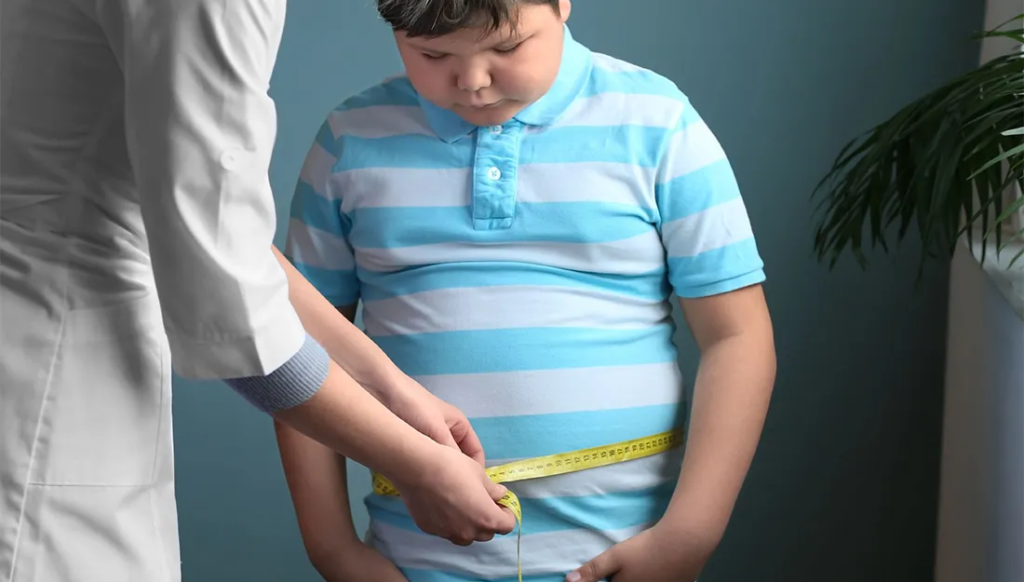
Childhood obesity is growing concern. More kids are affected every year. Tackling this issue early is crucial. This ensures children grow up healthy and happy. Fortunately, there are plenty of preventative measures. Healthy lifestyle choices can make big difference. Here are some practical tips for parents. Caregivers can help children stay fit. Ensuring kids remain healthy is vital.
Encourage Physical Activity
Getting kids moving is one of best ways to combat obesity. Regular physical activity helps maintain a healthy weight. It supports overall well-being. Here’s how to make exercise fun:
Play outside. Games like tag hide-and-seek or soccer can make exercise enjoyable.
Family activities. Go for family walks. Take bike rides or hikes. It’s a great way to bond. Stay active together.
Sports and clubs. Encourage participation in sports teams. Dance classes. Keep them engaged and active.
Teach Portion Control
Understanding portion sizes can help prevent overeating. Teach kids about appropriate portion sizes with these strategies.
Use smaller plates. It can help control portion sizes. This avoids the feeling of deprivation.
Listen to hunger cues: Encourage children eat when they’re hungry. Tell them to stop. When they’re full.
Serve meals at the table. Avoid eating in front of the TV. Avoid eating in front of the computer. This can lead to mindless eating.
Promote Healthy Eating Habits
A balanced diet is essential for preventing obesity. Focus on nutritious foods. Create healthy eating habits with these tips:
Fruits and vegetables: Ensure every meal includes variety of fruits and vegetables.
Whole grains: Choose whole grain bread. Opt for whole grain pasta. Prefer rice instead of refined grains.
Healthy snacks: Keep healthy snacks like yogurt nuts and fruit readily available. Avoid sugary treats.Limit sugary drinks. Encourage water. Choose milk instead of soda. Select milk over sugary juices.
Limit Screen Time
Too much screen time is linked to obesity. Encourage children to reduce their screen time. Help them engage in more physical activities using these tips.
Set limits. Establish rules for how much screen time is permitted daily.
Create screen-free zones. Keep bedrooms and dining areas free of screens.Encourage other activities. Promote hobbies like reading. Arts and crafts. Playing outside instead of screen time.
Be a Role Model
Children often imitate their parents’ behavior. Set a good example by living healthy lifestyle yourself. Eat well. Choose healthy foods. Demonstrate good eating habits. Stay active. Make physical activity regular part of your routine. Invite your kids to join you. Positive attitude. Show a positive attitude towards health and fitness. Make it natural part of life.
Make Mealtime Family Time
Eating together as family can encourage healthier eating habits. Here’s how to make most of family meals. Cook together. Involve children in meal preparation. This teaches them about healthy food choices.
Talk and connect. Use mealtime to talk. Connect and make it pleasant experience. Serve balanced meals. Offer variety of healthy foods.
Address Emotional Eating
Sometimes kids eat for emotional reasons rather than hunger. Help them develop healthy coping mechanisms.Talk about feelings. Encourage open communication about their feelings. Discuss stressors that affect them.
Healthy outlets. Promote healthy outlets for emotions. Talking drawing or playing can be beneficial.
Avoid using food as reward. Find non-food ways to celebrate achievements. Comfort them without food.
Educate About Nutrition
Teach children about the importance of good nutrition and healthy choices. Simple education can make big difference.
Food groups: Explain the different food groups. Emphasize why each is important.Read labels. Teach them how to read food labels. Understand healthier choices.
Healthy habits: Discuss the benefits of eating well. Stay active.
Conclusion
Preventing childhood obesity revolves around making healthy lifestyle choices and creating an environment that supports these habits. At the Best Pediatric Hospital in Pimpri Chinchwad, we encourage regular physical activity, balanced nutrition, and healthy daily routines for children. Promote healthy eating, teach portion control, and limit screen time. Parents should act as positive role models and make mealtime a family activity. Educating children about nutrition and addressing emotional eating are also essential. By following guidance from the Best Pediatric Hospital in Pimpri Chinchwad, parents can help their children develop lifelong healthy habits that support growth, well-being, and a brighter future. Let’s work together to ensure our children enjoy a healthy and active life.
FAQ’s
1. What is childhood obesity?
Childhood obesity is a medical condition in which a child has excess body fat that can negatively affect their health and well-being. It is commonly assessed using Body Mass Index (BMI) based on a child’s age and gender. Childhood obesity increases the risk of diabetes, high blood pressure, and other health complications.
2. What causes childhood obesity?
Childhood obesity is often caused by a combination of factors, including unhealthy eating habits, lack of physical activity, excessive screen time, poor sleep, genetic factors, and certain medical conditions. Lifestyle factors play a significant role in most cases.
3. Why is childhood obesity a growing concern?
Childhood obesity has become a major health concern because it increases the risk of chronic diseases such as type 2 diabetes, heart disease, high blood pressure, and mental health issues. Children with obesity are also more likely to become obese adults.
4. How can parents help prevent childhood obesity?
Parents can help prevent childhood obesity by encouraging balanced nutrition, promoting regular physical activity, limiting sugary foods and beverages, reducing screen time, and creating healthy lifestyle habits at home.
5. What foods should children eat to maintain a healthy weight?
Children should consume a balanced diet that includes fruits, vegetables, whole grains, lean proteins, dairy products, nuts, and healthy fats. Limiting processed foods, sugary snacks, and sweetened beverages can support healthy weight management.
6. How much physical activity do children need each day?
Most children should engage in at least 60 minutes of moderate to vigorous physical activity daily. Activities such as cycling, swimming, running, sports, and outdoor play help maintain a healthy weight and overall fitness.
7. Can excessive screen time contribute to childhood obesity?
Yes. Excessive screen time can reduce physical activity levels, encourage unhealthy snacking, and affect sleep quality, all of which may contribute to weight gain and obesity in children.
8. Does poor sleep increase the risk of childhood obesity?
Yes. Inadequate sleep can affect hormones that regulate hunger and appetite, increasing the likelihood of overeating and weight gain. Establishing healthy sleep routines is important for maintaining a healthy weight.
9. What are the health risks associated with childhood obesity?
Childhood obesity can increase the risk of type 2 diabetes, high cholesterol, hypertension, breathing problems, joint issues, fatty liver disease, low self-esteem, anxiety, and depression.
10. How can schools help prevent childhood obesity?
Schools can support healthy weight management by providing nutritious meals, encouraging physical education, promoting active play, and educating children about healthy eating habits and lifestyle choices.
Our Gallery







Visit Our Hospital
Related Blogs

Probiotics for Children: When and
Addressing Childhood Obesity: Preventative Measures and Healthy Lifestyle Choices July 8, 2024 Our Gallery Visit...
Read More
Dealing with Frequent Stomach Upsets
Addressing Childhood Obesity: Preventative Measures and Healthy Lifestyle Choices July 8, 2024 Our Gallery Visit...
Read More