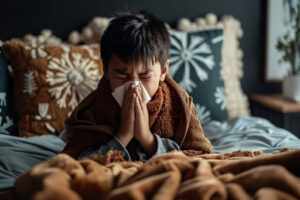
The spreading of this disease, Hand Foot and Mouth Disease (HFMD), is a very common illness nowadays in young children, infants, and older children can also have the symptoms of this disease. As we all know, prevention is better than a cure. Take precautions before this disease affects your child; while it may sound concerning, the condition is usually mild and can also be managed at home with proper care. By knowing the symptoms, parents should know how to provide comfort can make a big difference in recovery. Take your child to good care before being affected.
What causes HFMD
This HFMD disease spreads easily through close contact, coughing, sneezing, or touching contaminated objects. HFMD is caused by a group of viruses, most often the Coxsackievirus. It mostly breaks out in common Day care centers and playgrounds where children are in close contact with one another.
Symptoms to watch for
The illness usually starts with mild symptoms before the characteristic appear. Some common signs include:
- Fever and sore throat
- Reduce appetite
- Fatigue or irritability
- Painful red spots or blisters on the hands, feet, and sometimes buttocks
- A mouth ulcer.
Symptoms usually appear for 3 to 6 days after exposure and last about a week.
Home care and comfort measures
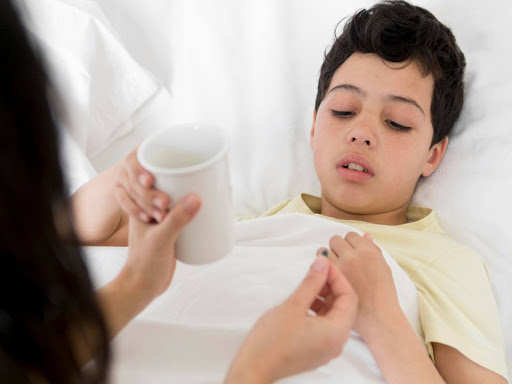
In some cases of HFMD, hospitalisation is not required or necessary; it can be treated at home. Parent and monitor symptoms and follow these steps easily.
- Keep your child hydrated by giving them lots of fluid and avoiding oily and spicy food, which may irritate mouth sores.
- Give pain relief medicines advice from a doctor, which can help reduce fever and discomfort.
- Soothing means like soft food, you get mashed fruit when mouth ulcers are present.
- Rest and comfort are very important. Give your child a good sleep and take care enough by staying at home.
Preventing the spread
For preventing the spread of HFMD, hygiene is very important. Parents should follow these steps to protect
- Make sure your child washes hands frequently with super water.
- Clean and disinfect every toy, surface, and shared item they use.
- Keep infected children away from Day Care or school until fully recovered.
When to call a doctor
While HFMD is usually mild, parent should seek medical advice if their child has:
- Persistent high fever
- Signs of dehydration like dry lips and less urination.
- Severe pain and difficulty swallowing.
- Symptoms elastic longer than 10 days.
Managing HFMD with Confidence
Hand, Foot, and Mouth Disease may cause this condition, but with proper home care and hygiene, most children recover quickly without any complications. By recognising symptoms early and offering supportive care to your child, parents can help them feel better while also preventing the spread of the illness to other children.
FAQs
ONP Hospitals offers comprehensive pediatric care with experienced pediatricians, advanced diagnostic facilities, vaccination services, and personalized treatment plans for newborns, infants, children, and adolescents.
2. What pediatric services are available at ONP Hospitals?
We offer:
- General pediatric consultations
- Newborn and infant care
- Vaccination and immunization
- Growth and developmental assessments
- Nutrition counseling
- Preventive health check-ups
- Treatment for common childhood illnesses
- Adolescent healthcare
3. What age groups do your pediatricians treat?
Our pediatricians care for newborns, infants, children, and adolescents, providing age-appropriate healthcare at every stage of development.
4. Do you provide routine childhood vaccinations?
Yes. We offer vaccinations according to the recommended immunization schedule and guide parents on timely immunizations to help protect children from vaccine-preventable diseases.
5. When should I take my child to a pediatric clinic?
You should consult a pediatrician if your child has:
- Fever
- Persistent cough or cold
- Vomiting or diarrhea
- Allergies or skin rashes
- Poor feeding
- Breathing difficulties
- Delayed growth or development
- Any unusual symptoms or behavioral concerns
6. Do you offer newborn care services?
Yes. Our pediatricians provide newborn health assessments, feeding guidance, growth monitoring, developmental evaluations, and routine follow-up care.
7. Can I visit for regular child health check-ups?
Absolutely. Regular pediatric check-ups help monitor your child’s growth, development, nutrition, and overall health while identifying potential health concerns early.
8. Do you treat common childhood illnesses?
Yes. Our pediatricians diagnose and treat fever, cough, cold, flu, allergies, asthma, ear infections, stomach infections, skin conditions, and many other pediatric health concerns.
9. Do you provide nutrition and developmental guidance?
Yes. We offer expert advice on child nutrition, feeding practices, developmental milestones, and healthy lifestyle habits to support your child’s overall well-being.
10. How can I book an appointment at ONP Hospitals’ pediatric clinic in PCMC?
You can book an appointment through the ONP Hospitals website or contact our appointment desk to schedule a consultation with one of our experienced pediatricians.