
Understanding Recurrent Cough and Cold in Children: Causes, Prevention, and Treatment with Insights from Dr. Amita Phadnis

Recurrent respiratory illnesses in children are a major source of concern. Lost sleep for parents is also a significant issue. To better understand these persistent problems we turn to Dr. Amita Phadnis. She is renowned pediatrician. Dr. Phadnis offers expertise on the causes. She provides insights. These insights focus on prevention. Treatment of recurrent cough and cold in children. Causes of Recurrent Cough and Cold: Weak Immune SystemA weakened immune system often stems from poor nutrition or underlying health conditions. This can make children more vulnerable. They are prone to infections. Ensuring a balanced diet rich in vitamins. Minerals is crucial.Allergies and AsthmaAllergic reactions to dust pollen, or pet dander can cause recurrent respiratory symptoms. Asthma is chronic condition. It frequently presents with a persistent cough and wheezing. Also this exacerbates the problem.Common Viral InfectionsChildren are highly susceptible to viral infections. Examples include Rhinovirus and Respiratory Syncytial Virus (RSV). These viruses are leading causes of cough and colds. Exposure in schools is frequent. Daycares also see high incidence rates. This increases likelihood of repeated infections. Underlying Health Conditions: Chronic conditions such as sinusitis or enlarged adenoids can contribute to frequent cough. Cold episodes exacerbate the issues. Dr. Phadnis recommends regular check-ups. This helps diagnose and manage these conditions effectively. Environmental Factors: Exposure to secondhand smoke air pollution and drastic weather changes can trigger recurrent respiratory issues in children. Dr Phadnis emphasizes the importance. Maintaining a clean and smoke-free environment is crucial. Symptoms and Diagnosis Common Symptoms:Recurrent cough. Runny nose. Nasal congestion sore throat. Fever. These are typical symptoms. Parents should monitor the duration. They should also observe the frequency. Parents should be attentive. Constant vigilance is necessary.When to See a Doctor:If symptoms persist for more than ten days or if child experiences difficulty breathing high fever, or wheezing. Medical attention is necessary. Dr. Phadnis advises prompt consultation. This helps prevent complications.Diagnostic Tests:A thorough medical history and physical examination are essential. In some cases chest X-rays are required. Allergy tests may also be necessary. Blood tests can be required too. These tests help identify underlying issues.Good Hygiene Practices:Teaching children proper handwashing techniques. Encourage the use of tissues. Use elbows when coughing or sneezing. This can reduce the spread of infections.Vaccinations:Staying up-to-date with vaccinations including annual flu shot, is vital. Vaccines help build immunity. They protect against common pathogens.Nutritional Support:A diet rich in fruits vegetables and whole grains strengthens the immune system. Dr. Phadnis highlights the role of vitamins C and D. These vitamins, along with zinc are essential in boosting immunity.Environmental Controls:Using air purifiers reducing exposure to allergens and maintaining a clean home environment can help prevent respiratory issues. Avoiding known irritants. Smoke and strong chemicals is also beneficial Home Remedies and Management Hydration and RestEncouraging adequate fluid intake is crucial. Ensuring a child gets plenty of rest is key. It is essential to recovery. Warm fluids can soothe the throat. They also help alleviate congestion.Steam Inhalation:Inhaling steam from a bowl of hot water can help open up nasal passages. This can ease breathing. This is simple home remedy. It can provide quick relief. It also eases congestion.Humidifiers:Using humidifier in a child’s room adds moisture to the air. This helps to relieve nasal congestion. It also aids in coughingOver-the-Counter Medications:Age-appropriate medications such as saline nasal drops and fever reducers can provide symptom relief. Dr. Phadnis advises you should consult a pediatrician. Consult before administering any medication.Natural Remedies:Honey for children over one-year-old can be effective in soothing cough. Saline nasal drops can help clear nasal passages. This makes breathing easier. Medical Treatments and Interventions Antibiotics:Antibiotics are only necessary for bacterial infections. Overuse can lead to antibiotic resistance. Dr. Phadnis stresses the importance. Following medical advice is essential. Completing prescribed treatments is crucialTreating Underlying Conditions:Managing allergies with antihistamines or asthma with inhalers can significantly reduce the frequency of cough. Episodes of colds decrease. Regular follow-ups with healthcare provider are essential. Chronic conditions need continuous monitoring Long-term Health Implications Potential ImpactFrequent respiratory infections can impact a child’s growth development. They affect overall well-being. It is essential to monitor. Managing these recurrent issues is paramount.Managing Chronic Conditions:Long-term management strategies include medication lifestyle changes and regular medical consultations. These are necessary for children with chronic conditions. Dr. Phadnis underscores the importance of a proactive approach. Proactive approaches to health. They can significantly improve outcomes. Parental Support and Resources Support Groups:Joining support groups and online communities can provide valuable information. There can be emotional support. Sharing experiences with other parents can be reassuring.Consulting Specialists:Seeking advice from pediatricians allergists or nutritionists can provide comprehensive care. Dr. Phadnis encourages parents to seek professional guidance. Whenever in doubt.Educational Resources:Reliable sources like books and websites doctors equip parents. They enable them. They help make informed decisions. This ensures about child’s health. Conclusion Understanding the causes prevention and treatment of recurrent cough and cold in children is essential for maintaining their health and well-being. By following preventive measures, parents can help their children overcome these common issues. Utilizing effective home remedies is also beneficial. Seeking timely medical intervention is crucial.Dr. Amita Phadnis’s insights highlight the importance of a balanced approach to care. Emphasizing both preventive strategies. Proactive treatment ensures children lead healthy active lives. FAQ’s 1. Why does my child get frequent coughs and colds? Children commonly experience recurrent coughs and colds because their immune systems are still developing. Exposure to viruses at school, daycare, or crowded places also increases the likelihood of frequent infections. 2. How many colds are normal for a child each year? Most children may have 6 to 8 colds annually, while those attending daycare or school may experience even more due to increased exposure to respiratory viruses. 3. What are the common causes of recurrent cough and cold in children? Common causes include viral infections, allergies, asthma, sinus infections, environmental pollution, passive smoking, and weakened immunity. In some cases, recurrent infections may indicate an underlying medical condition. 4. When should parents consult a pediatrician for recurrent cough and cold? Seek medical advice if your child’s cough
Superfoods for Super Kids: Building a Nutritious Plate

Nutrition is a major factor in raising children who are healthy and active. In addition to providing energy for developing bodies, a diet rich in vital nutrients also promotes emotional stability, robust immunity, and cognitive growth. Superfoods are nutrient-dense powerhouses that provide a significant impact with each bite, which is where they come in. What Are Superfoods? Natural foods high in vitamins, minerals, antioxidants, and other essential nutrients are known as superfoods. These foods are ideal for kids with active, inquisitive minds because they can strengthen bones, improve focus, and increase energy levels. The Best Superfoods for Children: Berries: Vitamin C and antioxidants abound in blueberries, strawberries, and raspberries. They are excellent for immunity and brain health. Leafy Greens: Iron, calcium, and fiber—all necessary for growth and digestion—are found in spinach, kale, and other greens. Eggs: Rich in choline and protein, eggs promote long-term energy and brain development. Yogurt: Rich in probiotics and calcium, yogurt promotes healthy digestion and bone growth. Makhana, also known as fox nuts is a powerhouse superfood packed with protein, fiber, and antioxidants, perfect for guilt-free snacking and boosting overall wellness. Nuts and Seeds: Sunflower seeds, chia seeds, and almonds provide protein and heart- and brain-healthy fats. Sweet potatoes are a kid-friendly, vitamin-rich substitute for regular fries because they are high in beta-carotene and fiber. Putting Together a Healthful Plate Combine various food groups to create a vibrant plate. Try to include whole grains, fruits, vegetables, healthy fats, and a source of protein. Allow your children to participate by letting them choose fruits, mix the yogurt, or add seeds to their cereal. This promotes healthy eating habits in addition to making meals more enjoyable. Feed your little superheroes with the power of superfoods and watch them flourish. FAQs 1. Which are the best Pediatric Clinics in PCMC? ONP Leela Hospital is one of the trusted Pediatric Clinics in PCMC, offering comprehensive pediatric care with experienced child specialists, advanced medical facilities, and personalized treatment for children of all ages. 2. What pediatric services are available at ONP Leela Hospital? Our pediatric clinic offers: Newborn and infant care Child health check-ups Vaccination and immunization Growth and developmental assessments Treatment for fever, infections, and allergies Asthma management Nutrition counseling Pediatric emergency care Adolescent healthcare 3. When should I take my child to a pediatric clinic? Visit a pediatric clinic for routine health check-ups, vaccinations, fever, persistent cough, breathing difficulties, digestive issues, growth concerns, skin rashes, allergies, or any illness affecting your child’s health. 4. Does ONP Leela Hospital provide vaccination services? Yes. We offer complete childhood immunization programs based on the recommended vaccination schedule to protect children from preventable diseases. 5. Are newborn care and NICU services available? Yes. ONP Leela Hospital provides comprehensive newborn care and advanced NICU facilities for premature babies, low birth weight infants, and newborns requiring specialized medical attention. Our Gallery Visit Our Hospital Blogs Fever in Children: When is Alright, let’s not make this complicated. Your child feels warm and suddenly everything in your… Read More Winter Infections in Kids. Early Winter often brings small health troubles for children. Many parents notice that their child falls… Read More Hand, Foot, and Mouth Disease The spreading of this disease, Hand Foot and Mouth Disease (HFMD), is a very common… Read More
Childhood Immunization: Importance, Myths & Facts

Childhood immunization is one of the most effective ways to protect children from life-threatening diseases. Vaccines help strengthen a child’s immune system, preventing illnesses such as measles, polio, diphtheria, and whooping cough. Despite their proven benefits, misconceptions about vaccines still cause hesitation among parents. Understanding the importance of immunization and debunking common myths is crucial for ensuring a healthier future for children. Importance of Childhood Immunization Vaccines protect not just individual children but also communities by reducing the spread of infectious diseases. Immunization has successfully eradicated diseases like smallpox and significantly reduced cases of polio worldwide. By ensuring children receive vaccines on time, parents contribute to herd immunity, which protects those who cannot be vaccinated due to medical conditions. Vaccines also reduce healthcare costs by preventing hospitalizations and long-term complications from preventable diseases. Common Myths and Facts 🔹 Myth: Natural immunity is better than vaccines.✅ Fact: While natural immunity occurs after recovering from an illness, the risks of severe complications are much higher. Vaccines provide immunity safely without exposing children to life-threatening diseases. 🔹 Myth: Too many vaccines can weaken a child’s immune system.✅ Fact: A child’s immune system can handle multiple vaccines at once. The recommended schedule is designed to protect them at the most vulnerable ages. 🔹 Myth: Vaccines cause autism.✅ Fact: Extensive research has shown no link between vaccines and autism. This myth originated from a now-debunked study and continues to cause unnecessary fear. Childhood immunization is a safe and essential step in protecting children from deadly diseases. Understanding the facts and trusting scientific evidence ensures that every child receives the best possible start in life. Parents should consult healthcare professionals and follow the recommended vaccine schedule to safeguard their child’s health. FAQs 1. Which is the Best Neonatal Care Hospital in Shivajinagar? ONP Hospitals is a trusted Neonatal Care Hospital In Shivajinagar, offering advanced NICU facilities, experienced neonatologists, and specialized care for premature and critically ill newborns. 2. What neonatal services are available at ONP Hospitals? Our neonatal care services include: Level III NICU care Care for premature babies Low birth weight baby management Neonatal ventilation and respiratory support Treatment for neonatal jaundice Infection management Newborn screening Lactation and breastfeeding support High-risk newborn care 3. What is a NICU and when is it required? A Neonatal Intensive Care Unit (NICU) provides specialized medical care for premature babies, newborns with low birth weight, breathing difficulties, infections, congenital conditions, or other critical health concerns requiring continuous monitoring. 4. Does ONP Hospitals provide 24/7 neonatal emergency care? Yes. Our experienced neonatologists and NICU specialists provide round-the-clock emergency care and continuous monitoring for newborns requiring intensive medical support. 5. Which babies may need NICU admission? NICU care is recommended for babies who are: Born prematurely Have low birth weight Experience breathing difficulties Have neonatal infections Are born with congenital abnormalities Require intensive monitoring after delivery 6. What advanced facilities are available in the NICU? Our NICU is equipped with: Modern incubators Neonatal ventilators CPAP machines Multiparameter monitors Infusion pumps Phototherapy units Advanced life-support systems 7. Can parents visit babies admitted to the NICU? Yes. Parents are encouraged to be involved in their baby’s care, following hospital guidelines, while receiving support and guidance from our neonatal care team. 8. Why choose ONP Hospitals for neonatal care in Shivajinagar? Parents trust ONP Hospitals because of: Experienced neonatologists Advanced Level III NICU 24/7 neonatal emergency services State-of-the-art neonatal technology Multidisciplinary newborn care Family-centered treatment approach Personalized neonatal care plans 9. Does ONP Hospitals provide follow-up care after NICU discharge? Yes. We offer developmental assessments, growth monitoring, vaccination guidance, nutritional counseling, and regular follow-up consultations to support your baby’s healthy development. 10. How can I book a consultation for neonatal care at ONP Hospitals? You can book an appointment through the ONP Hospitals website or contact our Shivajinagar center directly to consult with our experienced neonatologists and neonatal care specialists. Our Gallery Visit Our Hospital Blogs Fever in Children: When is Alright, let’s not make this complicated. Your child feels warm and suddenly everything in your… Read More Winter Infections in Kids. Early Winter often brings small health troubles for children. Many parents notice that their child falls… Read More Hand, Foot, and Mouth Disease The spreading of this disease, Hand Foot and Mouth Disease (HFMD), is a very common… Read More
Best Sleep Practices for Babies & Young Children

Babies and young children need sleep for healthy growth and development, and parents can make bedtime more peaceful by establishing good sleep habits early on. Here are some best practices for ensuring your child gets the sleep they need: Create a regular bedtime routine : that includes activities like reading a story, taking a warm bath, and dimming the lights to create a peaceful environment that prepares them for sleep. Encourage Daytime Activities: Playing active during the day helps children burn off energy and sleep better at night. Adhere to age-appropriate sleep schedules: newborns need 14–17 hours of sleep per day, while toddlers need 11–14 hours. Instruct them in self-soothing techniques: such as putting them in the crib while they’re awake but sleepy, to help them learn how to calm themselves. Reduce Screen Time Before Bed: Blue light from screens can disrupt the production of melatonin, which makes it more difficult for kids to fall asleep. putting screens away at least one hour before going to bed. Babies’ and young children’s general health and development are greatly impacted by getting enough good sleep. Important growth hormones that promote brain and physical development are released while you sleep. Children who get enough sleep are generally happier and less irritable, which improves their behavior and mood. Sleep also helps with cognitive processes like learning, memory consolidation, and problem-solving, which makes it easier for kids to understand new ideas. Another important advantage of getting enough sleep is that it strengthens the immune system, which aids the body in fending off infections and illnesses. Additionally, getting enough sleep helps kids focus and pay attention, which keeps them involved in everyday tasks. Making good sleep a priority for young children guarantees their best possible growth, emotional stability, and cognitive development. By following these sleep practices, parents can foster healthy sleeping habits that benefit their child’s growth, mood, and overall development. FAQs 1. Which are the best Pediatric Clinics in PCMC? ONP Hospitals is one of the leading Pediatric Clinics in PCMC, offering comprehensive child healthcare with experienced pediatricians, modern diagnostic facilities, and personalized treatment for children of all ages. 2. What services are available at ONP Hospitals’ pediatric clinic? Our pediatric clinic offers: Newborn and infant care Vaccination and immunization Growth and developmental assessments Well-child health check-ups Treatment for fever, infections, and allergies Asthma management Nutrition counseling Pediatric emergency care Adolescent healthcare 3. When should I take my child to a pediatric clinic? Visit a pediatric clinic for regular check-ups, vaccinations, fever, cough, breathing difficulties, digestive problems, growth concerns, allergies, skin conditions, or any illness affecting your child’s health. 4. Does ONP Hospitals provide childhood vaccination services? Yes. ONP Hospitals offers complete childhood immunization programs following the recommended vaccination schedule to protect children from preventable diseases. 5. Are newborn care services available? Yes. Our pediatric specialists provide newborn care, neonatal evaluations, breastfeeding guidance, and specialized NICU support for babies requiring advanced medical attention. Our Gallery Visit Our Hospital Blogs Fever in Children: When is Alright, let’s not make this complicated. Your child feels warm and suddenly everything in your… Read More Winter Infections in Kids. Early Winter often brings small health troubles for children. Many parents notice that their child falls… Read More Hand, Foot, and Mouth Disease The spreading of this disease, Hand Foot and Mouth Disease (HFMD), is a very common… Read More
Keeping Kids Safe from Heatwaves and Sunburns

It is now more crucial than ever to protect kids from the risks of heatwaves and sunburns as temperatures continue to rise in many parts of the world. Young children’s delicate skin and developing bodies make them particularly susceptible to heat-related illnesses and sun damage. Here are some tips for keeping your children comfortable, cool, and safe during the year’s hottest months. 1. Identify Heat Illness SymptomsBoth heatstroke and heat exhaustion can be dangerous. Keep an eye out for indicators such as: *Sweating excessively*Weariness or lightheadedness*Fast heartbeat*Nausea or headache 2.Drink plenty of waterDehydration is more common in children, particularly when they are playing outside in the sun. Even if your child doesn’t feel thirsty, make sure they drink a lot of water throughout the day. Encourage frequent sips and bring water bottles on excursions. Tips:*Slices of fruit can be added to water to enhance its flavor.*Serve snacks high in water, such as oranges, cucumbers, and watermelon.*Keep ORS ( oral rehydration solutions) handy to serve after strenuous activity and sweating.*Coconut water is replete with electrolytes and must be encouraged 3. Wear Smart ClothesYour children should wear light-colored, loose-fitting, and breathable clothes. Cotton and other natural textiles are great for keeping the body cool. When going outside, remember to pack UV-blocking sunglasses and a wide-brimmed hat. 4. Time Spent Engaging in Outdoor Activities SensiblyThe hours of 10 AM to 4 PM are when the sun’s rays are at their strongest. When the weather is cooler, try to schedule outdoor activities for early in the morning or late at night. 5. Use Sunscreen FrequentlyEven on overcast days, sunscreen is essential. Apply a thick layer of broad-spectrum sunscreen 15 to 30 minutes before heading outside, making sure it has at least SPF 30. After swimming or perspiring, or every two hours, reapply. Note: Avoid exposing infants younger than six months to direct sunlight, and consult your pediatrician before using sunscreen. 6. Children Should Never Be Left in Parked CarsWithin minutes, the interior of a parked car can get dangerously hot, even with the windows cracked. Never, even for a brief period of time, leave a child alone in a car. 7. Maintain Cool SkinWet washcloths, misting sprays, or cool baths can all help reduce your child’s body temperature. Promote indoor activities in areas with air conditioning, or use fans to increase ventilation. Final Thoughts Summer is a time for adventure and fun, but safety should always come first. With a few simple precautions, you can ensure your children enjoy the sunshine without the risks. Stay vigilant, stay cool, and make the most of your sunny days safely! FAQs 1. Which is the Best Neonatal Care Hospital in Pune? ONP Hospitals is one of the leading neonatal care hospitals in Pune, offering advanced NICU facilities, experienced neonatologists, and comprehensive care for premature and critically ill newborns. 2. What neonatal services are available at ONP Hospitals? Our neonatal department provides: Level III NICU care Care for premature babies Low birth weight baby management Respiratory support Neonatal ventilation Jaundice treatment Infection management Newborn screening Lactation and breastfeeding support 3. What is a NICU? A Neonatal Intensive Care Unit (NICU) is a specialized facility designed to care for premature, critically ill, or medically fragile newborns who require continuous monitoring and advanced medical treatment. 4. Which babies need NICU care? NICU care may be required for babies who are: Born prematurely Have low birth weight Experience breathing difficulties Have neonatal infections Are born with congenital conditions Need intensive monitoring after birth 5. Does ONP Hospitals provide 24/7 neonatal emergency care? Yes. ONP Hospitals offers round-the-clock neonatal emergency services with highly trained neonatologists, NICU specialists, and advanced life-support equipment. 6. Can parents visit babies admitted to the NICU? Yes. Parents are encouraged to participate in their baby’s care according to hospital protocols, with guidance and support from the neonatal care team. 7. What technologies are available in the NICU? The NICU is equipped with advanced incubators, ventilators, CPAP machines, neonatal monitors, infusion pumps, phototherapy units, and other specialized equipment for newborn care. 8. Why choose ONP Hospitals for neonatal care? Parents choose ONP Hospitals because of: Experienced neonatologists Advanced Level III NICU 24/7 neonatal emergency care Modern life-support technology Multidisciplinary newborn care Family-centered approach High standards of patient safety 9. Does ONP Hospitals provide follow-up care after NICU discharge? Yes. The hospital offers developmental assessments, growth monitoring, vaccination guidance, nutritional counseling, and regular follow-up care to support your baby’s healthy development. 10. How can I book a consultation for neonatal care at ONP Hospitals? You can schedule a consultation through the ONP Hospitals website or contact the hospital directly to connect with our neonatal specialists and NICU team. Our Gallery Visit Our Hospital Blogs Fever in Children: When is Alright, let’s not make this complicated. Your child feels warm and suddenly everything in your… Read More Winter Infections in Kids. Early Winter often brings small health troubles for children. Many parents notice that their child falls… Read More Hand, Foot, and Mouth Disease The spreading of this disease, Hand Foot and Mouth Disease (HFMD), is a very common… Read More
Managing Seasonal Allergies in Kids
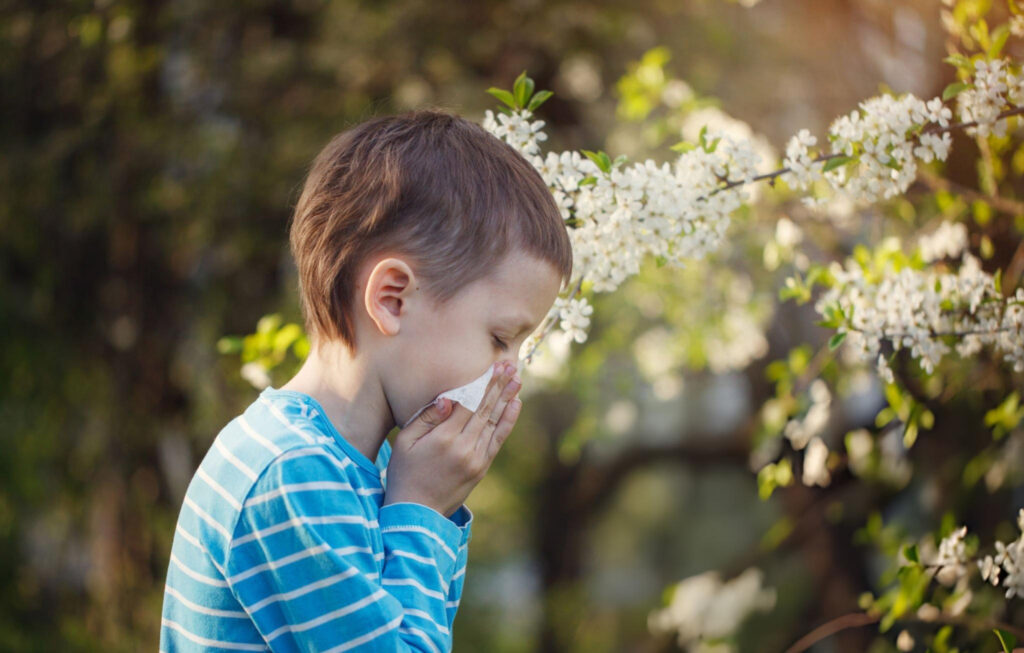
Seasonal allergies, also known as hay fever or allergic rhinitis, can cause children to sneeze, have runny noses, itchy eyes, and experience congestion. Pollen, mold, and other airborne allergens cause these allergies, which are most common in the spring and fall. While seasonal allergies cannot always be avoided, there are ways to reduce their impact on your child’s health and daily activities. Recognizing Allergy Symptoms Frequent sneezing and nasal congestion are among the most common symptoms, often accompanied by a runny nose with clear mucus. Many children also experience itchy, watery eyes, which can cause discomfort and make them rub their eyes frequently. seasonal allergies can worsen symptoms, leading to increased wheezing or breathing difficulties. Effective Ways to Manage Allergies -Limit outdoor exposure. Check pollen counts before going outside, and avoid outdoor activities during peak pollen periods (morning and early evening).-Keep windows closed – To keep allergens out, use air conditioning at home and in your car.-Change Clothes and Shower After Outdoor Play: This helps to remove pollen from your child’s skin and hair.-Use an Air Purifier: HEPA filters can help reduce indoor allergens.-Nasal Rinse and Hydration – Saline sprays or rinses can help remove allergens from the nasal passages. When to See a Doctor? Consult a pediatrician if your child’s allergies are interfering with their sleep, school, or daily activities. They may suggest antihistamines, nasal sprays, or allergy testing to improve management. With the proper precautions, seasonal allergies can be effectively managed, allowing your child to enjoy the changing seasons without difficulty. FAQs 1. Which is the Best Neonatal Care Hospital in Pimple Saudagar? ONP Leela Hospital is a trusted destination for neonatal care, offering advanced NICU facilities, experienced neonatologists, and comprehensive care for premature and critically ill newborns. 2. What neonatal services are available at ONP Leela Hospital? Our neonatal department provides: Advanced NICU care Premature baby care Low birth weight baby management Respiratory support Neonatal ventilation Jaundice treatment Infection management Newborn screening Breastfeeding and lactation support 3. What is a NICU, and when is it needed? A Neonatal Intensive Care Unit (NICU) provides specialized care for newborns who require continuous monitoring due to premature birth, breathing difficulties, infections, low birth weight, congenital conditions, or other critical medical needs. 4. Does ONP Leela Hospital provide 24/7 neonatal emergency care? Yes. Our NICU team is available 24/7 to provide immediate medical care and continuous monitoring for newborns requiring specialized treatment. 5. Which babies may require NICU admission? NICU care may be recommended for: Premature babies Low birth weight infants Babies with breathing problems Newborns with infections Babies with congenital abnormalities Infants requiring intensive monitoring after delivery 6. What equipment is available in the NICU? Our NICU is equipped with advanced incubators, neonatal ventilators, CPAP systems, phototherapy units, infusion pumps, and continuous monitoring equipment to provide high-quality neonatal care. 7. Can parents visit babies admitted to the NICU? Yes. Parents are encouraged to participate in their baby’s care according to hospital policies, with guidance from our neonatal specialists and nursing team. 8. Why choose ONP Leela Hospital for neonatal care? Parents choose ONP Leela Hospital because of: Experienced neonatologists Advanced NICU facilities 24/7 neonatal emergency care Modern life-support technology Family-centered care Personalized treatment plans Comprehensive newborn care 9. Does the hospital provide follow-up care after NICU discharge? Yes. We offer regular developmental assessments, growth monitoring, vaccination guidance, nutrition counseling, and follow-up consultations to support your baby’s healthy development. 10. How can I book a neonatal consultation at ONP Leela Hospital? You can book an appointment through the ONP Hospitals website or contact ONP Leela Hospital directly to consult our neonatal specialists and access expert newborn care. Our Gallery Visit Our Hospital Blogs Fever in Children: When is Alright, let’s not make this complicated. Your child feels warm and suddenly everything in your… Read More Winter Infections in Kids. Early Winter often brings small health troubles for children. Many parents notice that their child falls… Read More Hand, Foot, and Mouth Disease The spreading of this disease, Hand Foot and Mouth Disease (HFMD), is a very common… Read More
Dairy-Free & Gluten-Free Diets for Kids: What Parents Should Know

In recent years, dairy-free and gluten-free diets have grown in popularity, particularly among children who have allergies, intolerances, or specific health conditions such as lactose intolerance or celiac disease. As a parent, you must understand these diets and ensure that your child receives balanced nutrition. Why Should I Choose Dairy-Free or Gluten-Free? Dairy-Free: Some children are lactose intolerant or allergic to cow’s milk protein, leading to digestive discomfort, skin issues, or respiratory problems. Gluten-Free: Children with celiac disease or gluten sensitivity suffer digestive distress, nutrient deficiencies, and inflammation when they consume gluten (found in wheat, barley, and rye). Nutritional Considerations To avoid nutritional deficiencies, removing dairy and gluten from a child’s diet must be carefully planned. Key nutrients to focus on are:✅ Plant-based milk (almond, soy, oat), leafy greens, and nuts contain fortified calcium and vitamin D.✅ Protein: Lean meats, beans, lentils, quinoa, and eggs are great options.✅ Fiber and iron: Whole grains such as quinoa, brown rice, and gluten-free oats promote balanced nutrition. Healthy alternatives Replace cow milk with almond, soy, or coconut milk.Choose gluten-free grains such as rice, millet, and buckwheat.Select naturally gluten-free snacks such as fruits, nuts, and homemade smoothies. When properly balanced, a dairy-free or gluten-free diet can be beneficial to children. Before making dietary changes, always consult with a pediatrician or nutritionist to ensure your child is getting all of the nutrients he or she needs for optimal growth. FAQs 1. Which is the Best Pediatric Hospital In Pimpri Chinchwad? ONP Hospitals is a trusted destination for pediatric care, offering experienced pediatricians, advanced neonatal facilities, comprehensive child healthcare services, and a child-friendly environment. 2. What pediatric services are available at ONP Hospitals? ONP Hospitals offers newborn care, vaccinations, developmental assessments, pediatric consultations, emergency care, nutrition counseling, allergy treatment, and adolescent healthcare services. 3. Does ONP Hospitals provide vaccination services for children? Yes, ONP Hospitals follows recommended immunization schedules and provides comprehensive vaccination services to protect children from preventable diseases. 4. When should I take my child to a pediatrician? You should consult a pediatrician for routine check-ups, vaccinations, fever, infections, breathing difficulties, growth concerns, nutritional issues, or any health-related concerns. 5. Does ONP Hospitals have NICU facilities? Yes, ONP Hospitals provides advanced Neonatal Intensive Care Unit (NICU) services for premature babies and newborns requiring specialized medical care. 6. Can pediatricians monitor my child’s growth and development? Yes, regular pediatric visits help monitor physical growth, developmental milestones, nutrition, and overall health to ensure healthy development. 7. What are the signs that my child needs immediate medical attention? Seek urgent pediatric care if your child experiences difficulty breathing, persistent high fever, seizures, severe dehydration, unconsciousness, or serious injuries. 8. Why do parents choose ONP Hospitals for pediatric care? Parents choose ONP Hospitals for experienced pediatric specialists, advanced medical technology, comprehensive child healthcare services, emergency support, and personalized treatment. 9. How often should children have pediatric check-ups? Newborns require frequent visits during the first year, while older children should have annual health check-ups and visits for vaccinations or medical concerns. 10. How can I book an appointment at ONP Hospitals? You can schedule an appointment through the ONP Hospitals website or contact the hospital directly for pediatric consultations and child healthcare services. Our Gallery Visit Our Hospital Blogs Fever in Children: When is Alright, let’s not make this complicated. Your child feels warm and suddenly everything in your… Read More Winter Infections in Kids. Early Winter often brings small health troubles for children. Many parents notice that their child falls… Read More Hand, Foot, and Mouth Disease The spreading of this disease, Hand Foot and Mouth Disease (HFMD), is a very common… Read More
Baby-Led Weaning vs. Traditional Weaning: Which is Better?

Introducing solid foods to your baby is an exciting milestone, but determining the best weaning method can be difficult. Two popular methods are Baby-Led Weaning (BLW) and Traditional Weaning. Each has its advantages, but which one is superior? Let’s try both. What is baby-led weaning? Baby-Led Weaning allows babies to feed themselves from the start. Instead of spoon-fed purees, parents serve soft, whole foods such as cooked vegetables, fruits, and meat strips. This method promotes independence, fine motor skills, and self-regulation in eating. BLW also teaches babies to chew and explore different textures from an early age. However, it may cause more mess and raise concerns about choking, though research indicates that it is safe with proper precautions. What is traditional weaning? Traditional weaning begins with spoon-feeding purees and progresses to thicker textures and finger foods. This method ensures that babies receive adequate nutrition while transitioning to solids at their own pace. Picky eaters benefit from parents’ greater control over their food intake. However, some argue that spoon-feeding slows the development of self-feeding abilities. Pediatrician’s Perspective Both methods can be effective, and there is no ‘best’ approach. BLW promotes healthy eating habits and motor skills, whereas Traditional Weaning ensures adequate nutrition intake. I prefer Traditional Weaning because it allows parents to ensure their baby receives the proper nutrients in the appropriate amounts. Many babies with BLW struggle to eat enough, which can result in iron and calorie deficiencies. Traditional weaning ensures a smooth transition to solids and reduces the risk of choking. Parents can continue to introduce finger foods as the baby’s chewing and coordination skills improve. FAQs 1. Which are the best Pediatric Clinics in Pimpri Chinchwad? ONP Hospitals is among the trusted Pediatric Clinics in Pimpri Chinchwad, offering comprehensive healthcare services for newborns, infants, children, and adolescents with experienced pediatricians and advanced medical facilities. 2. What pediatric services are available at ONP Hospitals? Our pediatric department offers: Newborn and infant care Vaccination and immunization Growth and developmental assessments Well-child check-ups Treatment for childhood infections Nutrition and feeding guidance Allergy and asthma management Pediatric emergency care Adolescent healthcare 3. When should I take my child to a pediatric clinic? You should visit a pediatric clinic if your child has: Persistent fever Cough or breathing difficulty Vomiting or diarrhea Poor feeding Delayed growth or development Allergies or skin rashes Missed vaccinations Any health concern requiring medical evaluation 4. Does ONP Hospitals provide vaccination services? Yes. ONP Hospitals offers routine childhood immunizations based on the recommended vaccination schedule to protect children from preventable diseases. 5. Does ONP Hospitals provide newborn and NICU care? Yes. The hospital provides specialized neonatal care, including advanced NICU services for premature babies, low birth weight infants, and newborns requiring intensive medical support. 6. Can pediatricians monitor my child’s growth and development? Yes. Regular pediatric visits help monitor your child’s height, weight, nutrition, developmental milestones, behavior, and overall health, allowing early detection and treatment of any concerns. 7. What are the signs that my child needs emergency pediatric care? Seek immediate medical attention if your child has: Difficulty breathing High fever that doesn’t improve Persistent vomiting or diarrhea Seizures Severe dehydration Loss of consciousness Serious injury Bluish lips or skin 8. Why do parents choose ONP Hospitals for pediatric care? Parents trust ONP Hospitals because of: Experienced pediatricians Child-friendly facilities Advanced NICU support Modern diagnostic services Comprehensive vaccination programs Emergency pediatric care Personalized treatment plans Multidisciplinary pediatric specialists 9. How often should my child have a pediatric check-up? Newborns require regular visits during their first year, while older children should have annual wellness check-ups along with appointments for vaccinations, illnesses, or developmental assessments. 10. How can I book an appointment at ONP Hospitals’ Pediatric Clinic? You can book an appointment with the pediatric specialists through the ONP Hospitals website or contact the hospital directly to schedule a consultation for your child’s healthcare needs. Our Gallery Visit Our Hospital Blogs Fever in Children: When is Alright, let’s not make this complicated. Your child feels warm and suddenly everything in your… Read More Winter Infections in Kids. Early Winter often brings small health troubles for children. Many parents notice that their child falls… Read More Hand, Foot, and Mouth Disease The spreading of this disease, Hand Foot and Mouth Disease (HFMD), is a very common… Read More
Understanding ADHD in Children: Symptoms and Treatment
Attention Deficit/Hyperactivity Disorder (ADHD) is a neurodevelopmental disorder that affects millions of children worldwide. Recognizing the symptoms early on and seeking appropriate treatment can significantly improve a child’s quality of life and school performance. Common Symptoms: ADHD typically manifests in three main categories: Inattention: Children may struggle to focus on tasks, seem forgetful, or appear not to listen when spoken to directly. Hyperactivity: This involves excessive fidgeting, inability to sit still, or constant movement. Impulsivity: Children might act without thinking, interrupt others, or have difficulty waiting their turn. It’s important to note that not all children with ADHD exhibit all these symptoms, and the severity can vary. Diagnoses and Treatments ADHD is diagnosed through a comprehensive evaluation by healthcare professionals such as pediatricians, psychologists, and psychiatrists. They assess the child’s behavior in various settings and collect information from parents and teachers. Treatment usually involves a multimodal approach: Behavioral Therapy teaches children how to manage their symptoms and develop coping strategies. Medication: Stimulants and non-stimulants may be prescribed to alleviate symptoms. Educational Support: Making accommodations at school can help children with ADHD succeed academically. Parent Training: This provides parents with tools to effectively support their child. Early intervention is critical. With the right support and treatment, children with ADHD can thrive and reach their full potential. Remember that ADHD is a manageable condition, and with the right treatment, affected children can live successful, fulfilling lives. FAQs 1. Why should I choose ONP Hospitals’ Pediatric Clinic In Pimple Saudagar? ONP Hospitals offers comprehensive pediatric care with experienced pediatricians, child-friendly facilities, vaccination services, growth monitoring, and treatment for a wide range of childhood illnesses under one roof. 2. What age groups do your pediatricians treat? Our pediatricians provide medical care for newborns, infants, children, and adolescents, supporting their health and development from birth through the teenage years. 3. What services are available at your pediatric clinic? Our pediatric clinic offers: General pediatric consultations Newborn and infant care Vaccination and immunization Growth and developmental assessments Nutrition counseling Treatment for childhood illnesses Preventive health check-ups Management of allergies and infections 4. Do you provide vaccination services for children? Yes. We offer routine childhood immunizations based on the recommended vaccination schedule and provide guidance to parents on keeping their child’s vaccinations up to date. 5. When should I take my child to a pediatrician? You should consult a pediatrician if your child has: Fever Persistent cough or cold Vomiting or diarrhea Poor feeding Breathing difficulties Skin rashes Allergies Delayed growth or development Any unusual symptoms or behavioral changes 6. Do you offer newborn and infant care? Yes. Our pediatricians provide comprehensive newborn and infant care, including health assessments, feeding guidance, growth monitoring, developmental evaluations, and routine check-ups. 7. Can I visit the pediatric clinic for routine health check-ups? Absolutely. Regular pediatric check-ups help monitor your child’s growth, development, nutrition, and overall health while identifying potential concerns early. 8. Do your pediatricians treat childhood infections and seasonal illnesses? Yes. We diagnose and treat common childhood conditions such as viral infections, fever, cough, cold, flu, ear infections, stomach infections, allergies, asthma, and other pediatric health concerns. 9. How often should my child have a pediatric check-up? The frequency depends on your child’s age and health needs. Newborns and infants require more frequent visits, while older children should have regular annual health check-ups or as recommended by their pediatrician. 10. How can I book an appointment at the pediatric clinic in Pimple Saudagar? You can schedule an appointment with our pediatric specialists by contacting ONP Hospitals through our website or by calling our appointment helpline. Our team will help you find a convenient consultation time. Our Gallery Visit Our Hospital Blogs Fever in Children: When is Alright, let’s not make this complicated. Your child feels warm and suddenly everything in your… Read More Winter Infections in Kids. Early Winter often brings small health troubles for children. Many parents notice that their child falls… Read More Hand, Foot, and Mouth Disease The spreading of this disease, Hand Foot and Mouth Disease (HFMD), is a very common… Read More
Speech Therapy For Kids: What Parents Should Know

Speech therapy can be a valuable resource to help children develop effective communication skills. Here’s what parents need to know about speech therapy for kids. Speech therapy is a specialized intervention that focuses on improving a child’s ability to communicate. It addresses various challenges, including articulation (pronouncing sounds correctly), language comprehension, fluency (such as stuttering), and social communication skills. Speech-language pathologists (SLPs), If you are concerned about your child’s speech development, consulting the Best Pediatrician in Pimple Saudagar can help ensure early evaluation and timely intervention. When Should You Consider Speech Therapy? -Delayed speech milestones, such as not saying single words by 12-15 months or short sentences by age 3.-Difficulty understanding or following simple instructions.-Struggles with pronouncing certain sounds or words clearly.-Persistent stuttering or speech that seems disorganized.-Challenges in social communication, such as difficulty maintaining eye contact or engaging in conversations. How Does Speech Therapy Work? Speech therapy is personalized to each child’s needs. It may include: -Articulation Therapy focuses on teaching correct pronunciation of sounds.-Language Development enhance understanding of words, sentence structures, and grammar.-Social Communication which helps children interact effectively with peers and adults.-Fluency Techniques reduces stuttering through specific strategies. Speech therapy can make a significant difference in helping children overcome communication challenges and unlock their full potential. With the right guidance, children can develop the skills they need to express themselves confidently and effectively in every aspect of life. FAQ’s 1. What is speech therapy for children? Speech therapy is a specialized treatment that helps children improve their speech, language, communication, voice, and social interaction skills. It is conducted by a speech-language pathologist (SLP) who assesses and treats communication challenges through age-appropriate activities and exercises. 2. How do I know if my child needs speech therapy? Your child may benefit from speech therapy if they have delayed speech, difficulty pronouncing words, stuttering, trouble understanding language, limited vocabulary, or difficulty communicating with others. Early evaluation can help identify concerns and improve outcomes. 3. At what age should a child start speech therapy? Children can begin speech therapy as early as infancy or toddlerhood if developmental concerns are identified. Early intervention often leads to better communication outcomes and supports overall development. 4. What conditions can speech therapy help treat? Speech therapy can help children with speech delays, language disorders, stuttering, autism spectrum disorder, hearing impairment, articulation difficulties, voice disorders, cleft palate-related speech issues, and social communication challenges. 5) What happens during a speech therapy session? A speech therapy session typically includes play-based activities, speech exercises, language-building tasks, pronunciation practice, and interactive games tailored to the child’s age and communication needs. Parents may also receive guidance for home practice. 6) How long does speech therapy take to show results? The timeline varies depending on the child’s condition, age, and consistency of therapy. Some children show improvement within a few weeks, while others may require several months or longer for significant progress. 7. Can parents help with speech therapy at home? Yes. Parents play a crucial role in reinforcing communication skills through reading, talking, singing, storytelling, and practicing exercises recommended by the speech therapist. Consistent home support can enhance therapy outcomes. 8) Is speech delay always a sign of autism? No. While speech delay can be associated with autism, many children experience speech delays for other reasons such as hearing problems, developmental differences, oral-motor challenges, or language disorders. A professional evaluation is necessary for an accurate diagnosis. 9. Can speech therapy help children with autism? Yes. Speech therapy is often an important part of autism treatment, helping children improve communication, social interaction, language comprehension, and expressive language skills. 10. How often should a child attend speech therapy? The frequency depends on the child’s needs and the therapist’s recommendations. Many children attend sessions once or multiple times per week, with additional practice at home. Our Gallery Visit Our Hospital Related Blogs Winter Infections in Kids. Early Winter often brings small health troubles for children. Many parents notice that their child falls… Read More Probiotics for Children: When and Parents often hear the word probiotics but may not be sure how they help a… Read More Dealing with Frequent Stomach Upsets The most common health problem in children is stomach upset, which happens frequently when they… Read More