
Kids and Screens: Healthy Screen Habits for Kids

Screens are a part of modern childhood, From online learning to entertainment, children are exposed to screens more than ever. While technology offers incredible benefits, excessive screen time can lead to physical, mental, and emotional challenges for kids. but setting healthy boundaries ensures kids reap the benefits without the drawbacks.-Parents seeking expert advice on managing screen habits and supporting healthy child development can consult specialists at Pediatric Clinics in PCMC. Healthy screen time involves following age-appropriate limits to ensure a balanced approach to digital exposure. For toddlers (0-2 years), screen time should be minimal or avoided, with a focus on sensory play to support early development. Preschoolers (2-5 years) can have up to one hour of high-quality, educational content daily, while school-age children (6-12 years) should limit recreational screen use to 1-2 hours per day. Red Flags of Excessive Screen Time includes, Frequent headaches or complaints of tired eyes, Mood swings or difficulty focusing, Decreased interest in non-digital activities etc Remember, it’s not about eliminating screens altogether but teaching kids to use them mindfully and responsibly. FAQ’s 1. What are healthy screen habits for children? Healthy screen habits include setting age-appropriate screen time limits, choosing high-quality educational content, taking regular breaks, avoiding screens before bedtime, and balancing screen use with physical activity, sleep, and family interactions. 2. How much screen time is recommended for kids? The American Academy of Pediatrics recommends avoiding screen media for children under 18 months except video chatting. For children aged 2–5 years, screen time should generally be limited to about one hour of high-quality content daily. Older children should follow a family media plan that balances screen use with other healthy activities. 3. Can too much screen time affect a child’s health? Yes. Excessive screen use may contribute to eye strain, poor sleep, reduced physical activity, attention difficulties, and behavioral concerns when it replaces healthy activities such as outdoor play, exercise, and family interaction. 4. How does screen time affect children’s sleep? Screen exposure, especially before bedtime, can interfere with sleep quality and make it harder for children to fall asleep. Experts recommend avoiding screens for at least one hour before bedtime and keeping devices out of children’s bedrooms. 5. What are the signs of unhealthy screen use in children? Common signs include irritability when devices are removed, difficulty sleeping, reduced interest in physical activities, poor concentration, eye strain, headaches, and spending less time interacting with family and friends. 6. How can parents reduce their child’s screen time? Parents can establish screen-free zones, create family media rules, encourage outdoor play, schedule device-free family time, and offer engaging alternatives such as reading, sports, hobbies, and creative activities. 7) Is educational screen time better than entertainment screen time? Educational and interactive content is generally more beneficial than passive viewing. Co-viewing with parents and discussing content can further enhance learning and communication skills. 8) What is the 20-20-20 rule for kids? The 20-20-20 rule helps reduce digital eye strain. Every 20 minutes, children should look at something at least 20 feet away for 20 seconds. This allows the eyes to rest and refocus. 9) Should children use screens during meals? No. Pediatric experts recommend keeping meals screen-free to encourage family conversations, mindful eating, and healthier social development. 10) Can screen time affect a child’s behavior and learning? Research suggests that excessive screen exposure may affect attention, academic performance, emotional regulation, and social skills when it replaces active learning and face-to-face interactions. Our Gallery Visit Our Hospital Related Blogs Winter Infections in Kids. Early Winter often brings small health troubles for children. Many parents notice that their child falls… Read More Probiotics for Children: When and Parents often hear the word probiotics but may not be sure how they help a… Read More Dealing with Frequent Stomach Upsets The most common health problem in children is stomach upset, which happens frequently when they… Read More
Little Miracles: Expert Pediatric & Plastic Surgery for Healing and Growth at ONP Hospitals

As a pediatrician at ONP Hospitals, I’ve witnessed countless stories of resilience and recovery, but one case stands out little Anaya’s story. Anaya, a spirited four-year-old, came to us after a severe finger injury that happened while she was playing in the backyard. Her tiny finger got caught in the door, causing a deep laceration and fracture. The panic in her parents’ eyes was evident as they rushed her to our emergency department. Our team of experts, including the plastic surgery department, quickly took charge. It was a delicate situation, requiring both medical precision and gentle reassurance. We knew that saving her finger’s functionality was crucial for her overall development and future activities. After an initial assessment, we decided that surgical intervention was necessary. Our skilled plastic surgeons meticulously repaired the laceration and stabilized the fracture. The procedure was successful, but the journey didn’t end there. Anaya’s recovery involved several follow-up visits, physical therapy, and a lot of tender loving care. During this period, we educated her parents on how to prevent such injuries in the future. Finger injuries are quite common among children due to their curious and active nature. We advised them to keep a close eye on Anaya’s playtime, especially around doors and heavy objects. Installing finger guards on doors and teaching her about the potential dangers also became part of their routine. Anaya’s resilience was remarkable. With each passing day, she regained more movement in her finger, and her bright smile returned. Today, she’s back to her playful self, with a scar that serves as a testament to her strength and our team’s dedication. At ONP Hospitals, we believe in a holistic approach to pediatric care. It’s not just about treating the injury but also about ensuring a safe and nurturing environment for every child. Anaya’s story is a reminder of the importance of vigilance and the power of specialized care in transforming lives. FAQ’s 1. What is pediatric plastic surgery? Pediatric plastic surgery focuses on diagnosing and treating congenital abnormalities, birth defects, facial injuries, burns, scars, and other conditions affecting children. Specialized procedures help improve both function and appearance while supporting healthy growth and development. 2. When should a child see a pediatric plastic surgeon? A child may need a pediatric plastic surgeon for conditions such as cleft lip and palate, congenital hand deformities, facial trauma, burn injuries, scar revision, or reconstructive procedures following an accident or illness. 3. Why is specialized pediatric care important during plastic surgery? Children have unique physical and emotional needs. Specialized pediatric care ensures age-appropriate treatment, pain management, and recovery support, helping children heal safely and comfortably. 4. How do pediatric plastic surgeons ensure the best outcomes for children? Pediatric plastic surgeons use advanced surgical techniques, personalized treatment plans, and multidisciplinary care to achieve the best functional and cosmetic results while supporting a child’s natural growth. 5. What conditions can pediatric plastic surgery treat? Pediatric plastic surgery can address cleft lip and palate, facial injuries, congenital abnormalities, hand deformities, burn injuries, scars, skin lesions, and reconstructive needs following trauma. 6. Why choose the Best Pediatric Hospital In Pimple Saudagar for pediatric plastic surgery? The Best Pediatric Hospital In Pimple Saudagar offers experienced pediatric specialists, advanced surgical facilities, child-friendly care, and comprehensive support services to ensure the highest standards of treatment and recovery. 7. How can parents find the Best pediatrician in Pimple Saudagar for their child? Parents should look for a pediatrician with extensive experience, positive patient outcomes, a child-friendly approach, and access to multidisciplinary healthcare services. The Best pediatrician in Pimple Saudagar can provide expert guidance before, during, and after treatment. 8. What should parents expect during their child’s recovery after pediatric plastic surgery? Recovery may involve follow-up visits, wound care, physical therapy if needed, and regular monitoring by specialists. Most children recover well with proper medical guidance and family support. 9. Is pediatric plastic surgery safe for children? Yes. When performed by experienced pediatric plastic surgeons in a well-equipped hospital, pediatric plastic surgery is generally safe and designed specifically to meet the unique needs of growing children. 10. Does pediatric plastic surgery help improve a child’s quality of life? Absolutely. Pediatric plastic surgery can improve physical function, appearance, self-confidence, and overall well-being, helping children lead healthier and more fulfilling lives. Our Gallery Visit Our Hospital Related Blogs Fever in Children: When is Alright, let’s not make this complicated. Your child feels warm and suddenly everything in your… Read More Importance of Regular Health Checkups Imagine your body is like a car. If you never check it, never clean it,… Read More Winter Infections in Kids. Early Winter often brings small health troubles for children. Many parents notice that their child falls… Read More
Addressing Childhood Obesity: Preventative Measures and Healthy Lifestyle Choices

Our Gallery Visit Our Hospital Related Blogs Winter Infections in Kids. Early Winter often brings small health troubles for children. Many parents notice that their child falls… Read More Probiotics for Children: When and Parents often hear the word probiotics but may not be sure how they help a… Read More Dealing with Frequent Stomach Upsets The most common health problem in children is stomach upset, which happens frequently when they… Read More
Healthy Sleep Habits for Children: Tips for Parents

Good sleep is essential for children’s health and development. Yet getting kids to sleep can sometimes feel like an uphill battle. Establishing healthy sleep habits early on sets foundation for a lifetime of good sleep. Here are some practical tips. They will help parents ensure their children get the restful sleep they need Set a Consistent Bedtime Routine Children thrive on routine. Best Neonatal Care Hospital in Shivajinagar for comprehensive support during every stage of a child’s development.A consistent bedtime routine can signal to their bodies that it’s time to wind down and prepare for sleep. Start the routine about 30 minutes before bedtime. Include calming activities like: Reading book. Choose a favorite story or a new adventure each night.Taking a warm bath. This can help relax muscles and prepare the body for sleep.Brushing teeth. Important for both hygiene and routine building.Listening to calming music. Soft tunes create peaceful atmosphere. Create a Sleep-Friendly Environment The bedroom should be sanctuary for sleep. Here are some tips to create an ideal sleep environment.Remove distractions. Keep toys out of the bedroom. Keep electronics out of the bedroom. Eliminate other distractions. Limit noise. Use a white noise machine. Block out disruptive sounds if necessary.Comfortable bedding: Ensure the mattress is appropriate for your child’s age. Ensure the pillows and blankets are comfortable and suitable.Keep the room cool and dark. A cool room mimics nighttime. A dark room encourages sleep. Limit Screen Time Before Bed Screens emit blue light that can interfere with body’s natural sleep-wake cycle. Try to limit screen time at least an hour before bed. Instead of TV choose activities like reading. It’s a great way to wind down without the stimulation of screens. Puzzles can be fun and relaxing. Board games also offer screen-free time. Monitor Food and Drink What children eat and drink can significantly impact their sleep. Here are some tips:Avoid caffeine. Steer clear of caffeinated drinks and snacks. This is especially important in the afternoon and evening.Light snacks. A light snack before bed can be ok. Avoid heavy meals or sugary treats right before sleep. Encourage Physical Activity Regular physical activity during the day helps children fall asleep faster and enjoy deeper sleep. Encourage your child to play outside. Participate in sports. Engage in active play. Just make sure to avoid vigorous activity close to bedtime as it can be too stimulating. Be Mindful of Naps Naps are essential for younger children but they need to be appropriately timed. Long naps can interfere with nighttime sleep. Late-afternoon naps also interfere with nighttime sleep. As children grow older they may need fewer naps. Some children need no naps at all. Pay attention to your child’s sleep patterns. Adjust nap times as necessary. Address Nighttime Fears Children often have fears that can disrupt their sleep. Be understanding. Be comforting. Here’s how: Night lights: A soft night light can help alleviate fear of the dark. Comfort objects: favorite stuffed animal or blanket can provide a sense of security. Talk it out. Discuss their fears during the day. Offer reassurance. Be Patient and Consistent Establishing healthy sleep habits takes time and consistency. Be patient. Stick to the routines and rules you set. Remember occasional setbacks are normal. The key is to maintain consistent approach. Over time, your child will develop better sleep habits. Conclusion Good sleep is crucial for a child’s growth development and overall well-being. Establishing consistent bedtime routine can aid in this goal. Limiting screen time is also essential Creating a sleep-friendly environment, monitoring diet and encouraging physical activity further contribute to healthy sleep habits. Managing naps addressing nighttime fears and being patient are also pivotal. Parents can help children develop healthy sleep habits that will benefit them for lifetime. FAQ’s 1. Why is sleep important for children? Sleep is essential for a child’s physical growth, brain development, learning, memory, emotional well-being, and immune function. Children who get enough sleep tend to perform better academically and have improved behavior and concentration. 2. How many hours of sleep does a child need? Sleep requirements vary by age. Most school-age children need 9–12 hours of sleep per night, while teenagers typically need 8–10 hours. Younger children and toddlers require even more sleep, including naps. 3. What are healthy sleep habits for children? Healthy sleep habits include maintaining a consistent bedtime routine, following a regular sleep schedule, limiting screen time before bed, encouraging physical activity, and creating a comfortable sleep environment. 4. How can parents establish a good bedtime routine? Parents can create a calming bedtime routine that includes activities such as brushing teeth, taking a warm bath, reading a story, and going to bed at the same time every night. Consistency helps children fall asleep more easily. 5. Does screen time affect a child’s sleep? Yes. Exposure to screens before bedtime can interfere with sleep quality and delay sleep onset. Experts recommend turning off screens at least one hour before bedtime and keeping devices out of children’s bedrooms. 6. What are signs that my child is not getting enough sleep? Common signs include difficulty waking up, irritability, mood swings, poor concentration, daytime sleepiness, behavioral problems, headaches, and reduced school performance. 7. How can I help my child fall asleep faster? Establish a consistent sleep schedule, create a quiet and dark bedroom environment, avoid stimulating activities before bed, and encourage relaxing bedtime routines such as reading or listening to calming music. 8. What should a child’s bedroom be like for better sleep? A sleep-friendly bedroom should be cool, quiet, dark, comfortable, and free from distractions such as televisions, smartphones, and tablets. 9. Can poor sleep affect a child’s behavior? Yes. Insufficient sleep has been linked to attention difficulties, mood changes, irritability, hyperactivity, and challenges with emotional regulation. 10. Is physical activity important for healthy sleep? Yes. Regular physical activity helps children fall asleep faster, sleep more deeply, and maintain a healthy sleep schedule. Outdoor play and exercise during the day are especially beneficial. Our Gallery Visit Our Hospital Related Blogs Winter Infections in
The Role of Diet and Nutrition in Managing Encopresis in Children: Insights from Dr. Amita Phadnis

Encopresis, a condition characterized by involuntary soiling in children, can be distressing for both the child and their family. First and foremost, complete treatment of constipation is a must, with medication, stool softeners, etc. After that, maintenance is with appropriate nutrition. Diet and nutrition play a crucial role in managing and alleviating the symptoms of encopresis. Ensuring a balanced diet rich in fiber and fluids can promote regular bowel movements and reduce the likelihood of constipation recurrence. At our Pediatric Clinics in Pimpri Chinchwad, Dr. Amita Phadnis, a renowned pediatrician, provides expert insights into dietary strategies that can support children with encopresis. Her guidance emphasizes the importance of consistency and patience in dietary adjustments to achieve long-term relief, improve digestive health, and enhance the quality of life for affected children and their families. Understanding Encopresis Encopresis, when kids accidentally poop in their clothes, often happens because of constipation. This is when hard poop gets stuck in their belly. Eating the right foods can help prevent constipation and keep things moving regularly. Key Dietary Recommendations High-Fiber Foods: A diet rich in fiber is fundamental for managing and preventing constipation. Fiber adds bulk to stool and facilitates its passage through the digestive tract. Dr. Phadnis recommends incorporating the following high-fiber foods into child’s diet. Whole grains. Brown rice. Whole-wheat bread. OatmealFruits (apples, pears, berries, prunes)Vegetables (broccoli, carrots, peas)Legumes (beans, lentils, chickpeas)Regular Meal Times Establishing a regular meal times can promote healthy digestive routine. Dr. Phadnis suggests serving meals at consistent times. Each day. This can encourage regular bowel movements. Adequate Hydration Staying well-hydrated is crucial for maintaining soft stool consistency. Dr. Phadnis advises ensuring children drink plenty of water. This should be done throughout day Water helps soften stool. That makes it easier to pass Encouraging Probiotics Probiotics found in yogurt and other fermented foods support gut health. Dr. Phadnis highlights benefits. Including probiotic-rich foods in diet helps maintain healthy balance of gut bacteria. Limiting Processed Foods Processed foods high in sugar and fat can contribute to constipation. Dr. Phadnis recommends minimizing intake of processed snacks. Limit fast food Sugary beverages should also be limited. Practical Tips for Parents Creative Meal Planning Make healthy eating enjoyable by involving children in meal planning. Preparation. Dr. Phadnis advises. Use colorful fruits. And vegetables. Make meals visually appealing and fun. Monitoring Progress Keep a food diary. Track the child’s dietary intake. Also track bowel movements. This can help identify patterns. Make necessary adjustments. Dr. Phadnis emphasizes the importance of monitoring progress. Consult healthcare provider if needed. Gradual Changes Introduce dietary changes gradually to allow the child’s digestive system to adjust. Dr. Phadnis suggests starting with small additions of high-fiber foods. Gradually increase the quantity. Educate yourself about healthy dietary practices. This education can involve researching reputable sources and consulting with experts. Implementing these practices can significantly improve long-term health. Observation and vigilance are also crucial. Monitor any reactions. Ensure the child is comfortable with new foods. Such vigilance is essential for maintaining balanced diet. Most of the time parents are role models for children. Demonstrating good eating habits encourages children to follow. Positive reinforcement can also significantly impact a child’s food choices. Ensure overall health benefits are achieved. Conclusion Diet and nutrition are vital components in managing encopresis in children. By incorporating high-fiber foods and ensuring adequate hydration parents can help their children achieve better digestive health. Regular meal times are also essential. Dr. Amita Phadnis’s expert insights underscore significance of a balanced diet. It plays a key role in both preventing and managing encopresis. Her insights offer hope. Practical solutions for families emerge. Through thoughtful dietary management. Children can overcome challenges of encopresis. They can lead healthier more comfortable lives. FAQ’s 1. What is encopresis in children? Encopresis is a condition in which a child repeatedly passes stool in their underwear or inappropriate places, usually due to long-term constipation and stool retention. It commonly affects children who have difficulty emptying their bowels regularly. 2. Can diet help manage encopresis in children? Yes. A healthy diet rich in fiber, fluids, fruits, vegetables, and whole grains can help soften stools, improve bowel movements, and reduce constipation, which is the most common cause of encopresis. 3. What foods should children with encopresis eat? Children with encopresis should eat fiber-rich foods such as fruits, vegetables, whole grains, beans, lentils, oats, and bran cereals. These foods help promote regular bowel movements and improve digestive health. 4. How does fiber help children with encopresis? Fiber adds bulk and softness to stool, making it easier to pass. Adequate fiber intake can help prevent constipation and support regular bowel habits, which are essential for managing encopresis. 5. How much water should a child with encopresis drink? Children should drink enough water throughout the day to stay hydrated. Proper hydration helps fiber work effectively and keeps stools soft, reducing the risk of constipation and stool withholding. 6. Which foods should be avoided in children with encopresis? Foods high in fat, sugar, and low in fiber, such as fast food, processed snacks, sugary drinks, and excessive junk food, may worsen constipation and should be limited. 7. Can milk contribute to constipation and encopresis? In some children, excessive milk consumption may worsen constipation. Healthcare providers may recommend limiting milk intake while ensuring children continue to receive adequate calcium and nutrition. 8. Are fruits beneficial for children with encopresis? Yes. Fruits such as pears, apples, prunes, oranges, berries, and kiwis provide fiber and natural sugars that can help promote softer stools and healthier bowel movements. 9. Can probiotics help manage encopresis? Probiotics may support overall gut health, but current evidence is limited regarding their effectiveness as a primary treatment for childhood constipation and encopresis. They should only be used under medical guidance. 10. Does regular meal timing help with encopresis? Yes. Eating meals on a regular schedule can stimulate bowel activity and encourage routine bowel movements, helping children develop healthier toilet habits. Our Gallery Visit Our Hospital Related Blogs Winter Infections in Kids. Early Winter
Understanding Recurrent Cough and Cold in Children: Causes, Prevention, and Treatment with Insights from Dr. Amita Phadnis

Recurrent respiratory illnesses in children are a major source of concern. Lost sleep for parents is also a significant issue. To better understand these persistent problems we turn to Dr. Amita Phadnis. She is renowned pediatrician. Dr. Phadnis offers expertise on the causes. She provides insights. These insights focus on prevention. Treatment of recurrent cough and cold in children. Causes of Recurrent Cough and Cold: Weak Immune SystemA weakened immune system often stems from poor nutrition or underlying health conditions. This can make children more vulnerable. They are prone to infections. Ensuring a balanced diet rich in vitamins. Minerals is crucial. Allergies and AsthmaAllergic reactions to dust pollen, or pet dander can cause recurrent respiratory symptoms. Asthma is chronic condition. It frequently presents with a persistent cough and wheezing. Also this exacerbates the problem. Common Viral InfectionsChildren are highly susceptible to viral infections. Examples include Rhinovirus and Respiratory Syncytial Virus (RSV). These viruses are leading causes of cough and colds. Exposure in schools is frequent. Daycares also see high incidence rates. This increases likelihood of repeated infections. Underlying Health Conditions: Chronic conditions such as sinusitis or enlarged adenoids can contribute to frequent cough. Cold episodes exacerbate the issues. Dr. Phadnis recommends regular check-ups. This helps diagnose and manage these conditions effectively. Environmental Factors: Exposure to secondhand smoke air pollution and drastic weather changes can trigger recurrent respiratory issues in children. Dr Phadnis emphasizes the importance. Maintaining a clean and smoke-free environment is crucial. Symptoms and Diagnosis Common Symptoms:Recurrent cough. Runny nose. Nasal congestion sore throat. Fever. These are typical symptoms. Parents should monitor the duration. They should also observe the frequency. Parents should be attentive. Constant vigilance is necessary. When to See a Doctor:If symptoms persist for more than ten days or if child experiences difficulty breathing high fever, or wheezing. Medical attention is necessary. Dr. Phadnis advises prompt consultation. This helps prevent complications. Diagnostic Tests:A thorough medical history and physical examination are essential. In some cases chest X-rays are required. Allergy tests may also be necessary. Blood tests can be required too. These tests help identify underlying issues. Good Hygiene Practices:Teaching children proper handwashing techniques. Encourage the use of tissues. Use elbows when coughing or sneezing. This can reduce the spread of infections. Vaccinations:Staying up-to-date with vaccinations including annual flu shot, is vital. Vaccines help build immunity. They protect against common pathogens. Nutritional Support:A diet rich in fruits vegetables and whole grains strengthens the immune system. Dr. Phadnis highlights the role of vitamins C and D. These vitamins, along with zinc are essential in boosting immunity. Environmental Controls:Using air purifiers reducing exposure to allergens and maintaining a clean home environment can help prevent respiratory issues. Avoiding known irritants. Smoke and strong chemicals is also beneficial Home Remedies and Management Hydration and RestEncouraging adequate fluid intake is crucial. Ensuring a child gets plenty of rest is key. It is essential to recovery. Warm fluids can soothe the throat. They also help alleviate congestion. Steam Inhalation:Inhaling steam from a bowl of hot water can help open up nasal passages. This can ease breathing. This is simple home remedy. It can provide quick relief. It also eases congestion. Humidifiers:Using humidifier in a child’s room adds moisture to the air. This helps to relieve nasal congestion. It also aids in coughing Over-the-Counter Medications:Age-appropriate medications such as saline nasal drops and fever reducers can provide symptom relief. Dr. Phadnis advises you should consult a pediatrician. Consult before administering any medication. Natural Remedies:Honey for children over one-year-old can be effective in soothing cough. Saline nasal drops can help clear nasal passages. This makes breathing easier. Medical Treatments and Interventions Antibiotics:Antibiotics are only necessary for bacterial infections. Overuse can lead to antibiotic resistance. Dr. Phadnis stresses the importance. Following medical advice is essential. Completing prescribed treatments is crucial Treating Underlying Conditions:Managing allergies with antihistamines or asthma with inhalers can significantly reduce the frequency of cough. Episodes of colds decrease. Regular follow-ups with healthcare provider are essential. Chronic conditions need continuous monitoring Long-term Health Implications Potential ImpactFrequent respiratory infections can impact a child’s growth development. They affect overall well-being. It is essential to monitor. Managing these recurrent issues is paramount. Managing Chronic Conditions:Long-term management strategies include medication lifestyle changes and regular medical consultations. These are necessary for children with chronic conditions. Dr. Phadnis underscores the importance of a proactive approach. Proactive approaches to health. They can significantly improve outcomes. Parental Support and Resources Support Groups:Joining support groups and online communities can provide valuable information. There can be emotional support. Sharing experiences with other parents can be reassuring. Consulting Specialists:Seeking advice from pediatricians allergists or nutritionists can provide comprehensive care. Dr. Phadnis encourages parents to seek professional guidance. Whenever in doubt. Educational Resources:Reliable sources like books and websites doctors equip parents. They enable them. They help make informed decisions. This ensures about child’s health. Conclusion Understanding the causes prevention and treatment of recurrent cough and cold in children is essential for maintaining their health and well-being. By following preventive measures, parents can help their children overcome these common issues. Utilizing effective home remedies is also beneficial. Seeking timely medical intervention is crucial. Dr. Amita Phadnis’s insights highlight the importance of a balanced approach to care. Emphasizing both preventive strategies. Proactive treatment ensures children lead healthy active lives.
Dr. Amita Phadnis: Constipation in children
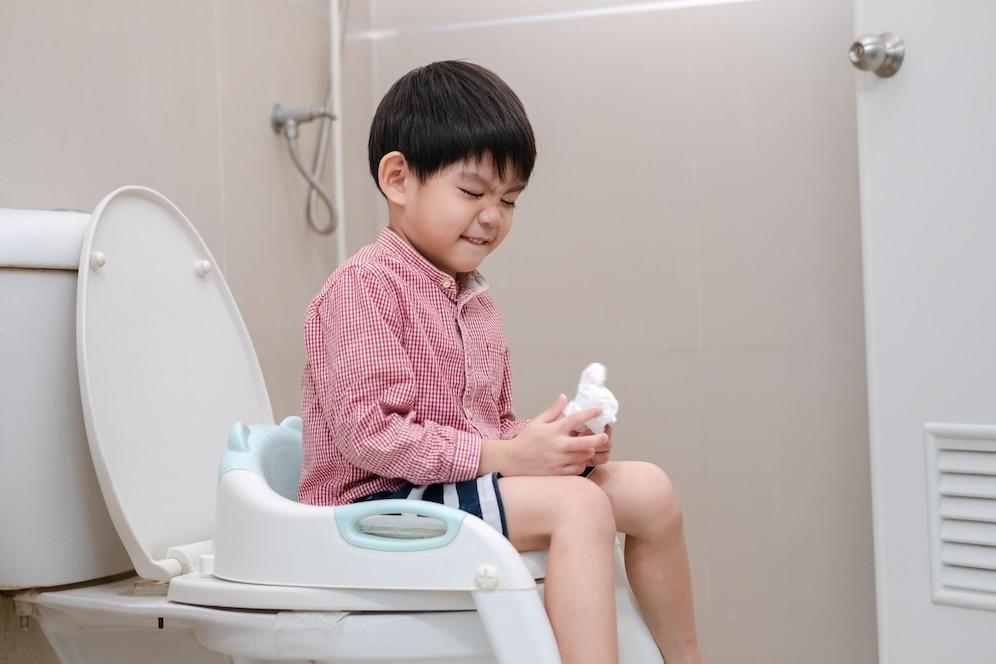
Constipation is a common issue among children that can cause significant discomfort and distress. As a parent, it’s natural to want to alleviate your child’s discomfort with safe and effective remedies. Fortunately, many home remedies can help manage and prevent constipation in children. This blog will explore these remedies and provide practical tips to help your child maintain regular bowel movements. Understanding Constipation in Children Before diving into remedies, it’s important to understand what constipation is and its common causes in children. Constipation typically involves infrequent bowel movements, hard or dry stools, and difficulty or pain when passing stools. Causes can include: Diet: Low fiber intake and insufficient fluid consumption are major contributors. Physical Activity: Lack of exercise can slow down the digestive system. Routine Changes: Changes in daily routine, such as starting school, can affect bowel habits. Holding Stool: Some children might avoid going to the toilet due to fear or discomfort, leading to constipation. Preventing Constipation Here are some tips which help alleviate constipation in children: 1. Increase Fiber IntakeFiber helps add bulk to stools and promotes regular bowel movements. Incorporate high-fiber foods into your child’s diet, such as:Fruits: Apples, pears, prunes, and berries.Vegetables: Carrots, peas, broccoli, and spinach.Whole Grains: Whole wheat bread, oatmeal, and brown rice.Legumes: Beans, lentils, and chickpeas. 2. Encourage Hydration Adequate fluid intake is essential for preventing constipation. Water is the best choice, but other fluids like milk and natural fruit juices can also be beneficial. Prune juice, in particular, is known for its natural laxative effect. 3. Promote Regular Physical Activity Exercise helps stimulate digestion. Encourage your child to engage in regular physical activities such as:Playing outsideRiding a bikeSwimmingFamily walks 4. Establish a Routine Having a regular toileting schedule can help. Encourage your child to sit on the toilet for a few minutes after meals, which is when the body is most likely to have a bowel movement. 5. Use a Footstool Sometimes, positioning can make a significant difference. Using a small footstool to elevate your child’s feet while they sit on the toilet can help align the rectum better, making it easier to pass stools. 6. Massage A gentle abdominal massage can stimulate bowel movements. Use gentle, clockwise strokes on your child’s tummy to help relieve constipation. 7. Monitor Dairy Intake For some children, excessive dairy consumption can contribute to constipation. Try reducing the amount of cheese, milk, and other dairy products to see if it helps. When to Seek Medical Help For expert diagnosis and treatment, consult the Best Pediatric Hospital in Pimpri Chinchwad, where experienced pediatric specialists can provide comprehensive care for your child’s digestive health and overall well-being. While home remedies can be very effective, there are times when you should seek medical advice. Contact your healthcare provider if your child: Has constipation for more than two weeks. Experiences severe abdominal pain. Has blood in their stools. Experiences weight loss without explanation. Shows signs of fear or avoidance of using the toilet. Conclusion Constipation in children can be distressing, but with the right suggestions and preventive measures, you can help your child achieve regular and comfortable bowel movements. By ensuring a balanced diet, promoting hydration and physical activity, and establishing good bathroom habits, you can alleviate constipation and support your child’s overall digestive health. Always remember to consult with a healthcare professional if you have any concerns or if the condition persists. FAQ’s What is constipation in children? Constipation in children is a common digestive problem where a child has infrequent bowel movements, passes hard stools, or experiences difficulty and pain while passing stools. What are the common symptoms of constipation in children? Common symptoms include fewer than three bowel movements per week, hard or dry stools, abdominal pain, bloating, painful bowel movements, and stool withholding behavior. What causes constipation in children? Constipation can be caused by a low-fiber diet, inadequate water intake, changes in routine, toilet training issues, lack of physical activity, or stool withholding due to fear of pain. How can I treat constipation in children at home? Increasing fiber-rich foods, encouraging adequate hydration, promoting regular physical activity, and establishing a consistent toilet routine can help relieve constipation in many children. When should I take my child to a doctor for constipation? You should consult a pediatrician if constipation lasts more than two weeks, is accompanied by severe abdominal pain, blood in the stool, weight loss, vomiting, or persistent stool withholding behavior. Can dehydration cause constipation in children? Yes. Not drinking enough fluids can make stools hard and difficult to pass, increasing the risk of constipation. Which foods help relieve constipation in children? Fruits such as pears, prunes, apples, and papaya, along with vegetables, whole grains, and legumes, can help improve bowel movements due to their fiber content. Is constipation in children a serious condition? Most cases are temporary and manageable with lifestyle changes. However, chronic constipation may require medical evaluation to identify underlying causes and prevent complications. Can constipation affect a child’s appetite? Yes. Constipation can cause abdominal discomfort, bloating, and a feeling of fullness, which may reduce a child’s appetite. Which hospital should I visit for constipation treatment in children? For expert diagnosis and treatment of constipation in children, consult experienced pediatricians at ONP Hospitals, where comprehensive pediatric care and digestive health management are available. Our Gallery Visit Our Hospital Blogs Fever in Children: When is Alright, let’s not make this complicated. Your child feels warm and suddenly everything in your… Read More Keeping Kids Safe from Heatwaves It is now more crucial than ever to protect kids from the risks of heatwaves… Read More Balancing Act: Daily Habits to Blogs All Blogs Fever in Children: When is Alright, let’s not make this complicated. Your… Read More
The Role of the Immune System in Recurrent Cough and Cold: Insights from Dr. Amita Phadnis
We’ve all been there suddenly, you feel that familiar tickle in your throat, a slight shiver, or a sniffle. Before you know it, you’re in the throes of yet another cold. While occasional colds are a part of life, some people seem to catch every bug that comes their way. What’s going on with the immune system that makes some of us more susceptible to recurrent coughs and colds? Let’s delve into the fascinating world of our body’s defense mechanisms to uncover the answer. Understanding the Immune System: Our Body’s Defense Mechanism The immune system is an intricate network of cells, tissues, and organs that work in harmony to defend the body against harmful invaders like viruses, bacteria, and other pathogens. It can be divided into two main parts: the innate immune system and the adaptive immune system. Innate Immune System: This is the first line of defense. It’s like a rapid-response team that acts quickly to protect the body from infection. It includes physical barriers (like the skin and mucous membranes), as well as cells that attack invaders immediately. Adaptive Immune System: This is a more specialized and slower response. It involves lymphocytes (B cells and T cells) that recognize specific pathogens and remember them, which helps the body respond more efficiently if it encounters the same pathogen again in the future. Why Do We Catch Colds? Colds are mainly triggered by viruses, with rhinoviruses being the most frequent offenders. When a cold virus enters your body, it typically lands on the mucous membranes of your nose or throat. The immune system detects these invaders and launches an attack. Here’s where things get interesting: the symptoms of a cold (sneezing, sore throat, coughing, congestion) are not directly caused by the virus itself but by the immune system’s response to the infection. The inflammation and increased mucus production are efforts by the body to flush out and neutralize the virus. The Role of Immunity in Recurrent Colds Several factors can affect how often you catch a cold and how severe it becomes: Immune System Strength: A robust immune system is generally more effective at fending off infections. Factors like poor nutrition, lack of sleep, stress, and chronic illnesses can weaken the immune system, making you more prone to frequent colds. Exposure to Pathogens: People who are frequently in crowded places, such as schools, public transport, or offices, are more likely to be exposed to cold viruses. Immune System Memory: After fighting off a specific virus, the adaptive immune system remembers it, providing future protection. However, with over 200 different viruses capable of causing the common cold, it’s unlikely your immune system will recognize and respond to every one. Genetic Factors: Some people may have genetic variations that make their immune systems more or less effective at fighting off certain viruses. Strengthening Your Immune System While you can’t avoid every cold, there are steps you can take to bolster your immune system and reduce the frequency and severity of infections: Healthy Diet: Eating a balanced diet rich in fruits, vegetables, lean proteins, and whole grains provides the nutrients your immune system needs to function optimally. Regular Exercise: Moderate exercise can boost the immune system by promoting good circulation, which allows immune cells to move through the body more effectively. Adequate Sleep: Quality sleep is crucial for maintaining a healthy immune system. Strive to get between 7 and 9 hours of sleep each night. Stress Management: Chronic stress can suppress the immune system. Practices such as meditation, yoga, and deep-breathing exercises can effectively help in managing stress levels. Good Hygiene Practices: Regular handwashing, avoiding close contact with sick individuals, and not touching your face can reduce your risk of infection. Conclusion Recurrent coughs and colds are a common nuisance, but understanding the role of the immune system can help us appreciate the complexity of our body’s defense mechanisms. By taking proactive steps to support our immune system, we can reduce our vulnerability to these pesky infections. Remember, a strong immune system is your best ally in the fight against colds so take care of it, and it will take care of you. Frequently Asked Questions 1: Which is the Best Hospital In Pune for multi-specialty care? ONP Hospitals is widely recognized as the best hospital in Pune for comprehensive multi-specialty care. With over six decades of medical heritage, we provide cutting-edge treatments across diverse medical wings, including advanced maternity care, Level-III NICU facilities, robotic joint replacements, IVF treatments, and pediatric surgeries under one roof. 2: Where are the branches of ONP Hospitals located in Pune? To serve you better, ONP Hospitals operates advanced, multi-specialty facilities at two key locations in Pune: ONP Prime: Shivajinagar, Ganeshkhind Road (Near Hotel Pride) ONP Leela: Pimple Saudagar (BRT Road, Govind Garden Chowk)Both locations are fully equipped with 24/7 emergency services, modern operation theaters, and on-call medical specialists. 3: Does ONP Hospitals provide emergency newborn care and NICU facilities? Yes, we feature a state-of-the-art Level-III NICU for babies in Pune. Our Neonatal Intensive Care Unit operates 24/7 with dedicated neonatologists and pediatric specialists to manage premature births, low birth weight, respiratory issues, and other critical newborn conditions. 4 : What advanced technology is used for orthopedic surgeries at ONP? ONP Hospitals is a pioneer in advanced orthopedic care, offering AI-guided Robotic Joint Replacements in Pune. Our precision robotic surgical systems are used for total knee replacements, hip joint replacements, and shoulder surgeries, ensuring minimal tissue damage, greater accuracy, and a faster post-op recovery. 5 : Why is ONP considered a top choice for pregnancy and delivery in Pune? ONP Hospitals offers a complete maternal healthcare ecosystem. Led by highly experienced obstetricians like Dr. Avinash Phadnis and pediatricians like Dr. Amita Phadnis, we specialize in normal deliveries, painless labor, high-risk pregnancy management, advanced pre-pregnancy counseling, and comprehensive fertility (IVF) treatments. 6 : Can I book a medical appointment online, and are emergency services open 24/7? Yes, our emergency trauma team, ambulance services, pharmacy, and diagnostic lab operate
Transformative Care: Navigating the State-of-the-Art NICU Facility at ONP Hospital

Our Gallery Visit Our Hospital Blogs Dealing with Frequent Stomach Upsets The most common health problem in children is stomach upset, which happens frequently when they… Read More Importance of Routine Checkups – There are so many things to routine pediatric checkups than just making appointments. For tracking… Read More Safe Vaccination Practices – Preparing In today’s life, vaccination is very important for your child to protect them from different… Read More
Battling Oral Cancer and Tobacco: Understanding Treatments, Diagnosis & Prevention
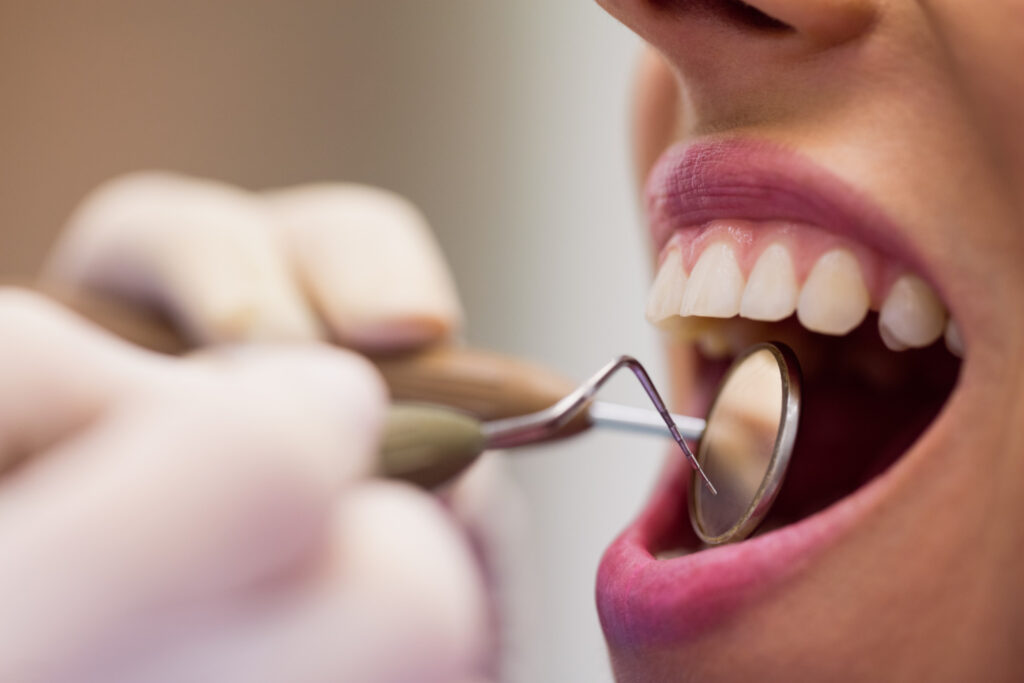
Oral cancer, a type of head and neck cancer, is a serious and potentially life-threatening condition that affects various parts of the mouth, including the lips, tongue, cheeks, and throat. One of the significant risk factors for oral cancer is tobacco use. In this blog, we’ll delve into the connection between oral cancer and tobacco, explore the diagnosis and treatment options available, and discuss preventive measures to safeguard oral health. The Link Between Oral Cancer and Tobacco: Tobacco use in various forms—cigarettes, cigars, pipes, chewing tobacco, and smokeless tobacco—increases the risk of oral cancer significantly. The harmful chemicals in tobacco can damage the cells in the oral cavity and throat, increasing the chances of cancerous growth. Smoking also weakens the immune system, making it harder for the body to fight off cancer cells. Diagnosis and Early Detection: Early detection of oral cancer is vital for successful treatment outcomes. Dentists and healthcare providers play a crucial role in identifying potential signs of oral cancer during routine check-ups. Common symptoms include persistent mouth sores, unexplained bleeding, difficulty swallowing or speaking, and changes in the color or texture of oral tissues. In addition to visual examinations, certain diagnostic tests can help confirm oral cancer, including: Biopsy: A tissue sample is taken and examined for cancer cells. Imaging tests: X-rays, CT scans, and MRIs help determine the extent of cancer and its spread. Endoscopy: A thin, flexible tube with a camera is inserted to examine the inside of the throat and voice box. Treatment Options: The treatment plan for oral cancer depends on the stage of cancer, its location, and the overall health of the patient. Treatment options may include: Surgery: Removal of the tumor and surrounding tissues. In some cases, reconstructive surgery may be necessary. Radiation Therapy: High-energy rays target and kill cancer cells. Chemotherapy: Drugs are used to kill cancer cells or stop their growth. It can be used alone or in combination with other treatments. Targeted Therapy: Drugs specifically target cancer cells’ vulnerabilities, sparing healthy cells. Immunotherapy: Boosts the body’s immune system to recognize and attack cancer cells. Preventive Measures: The best approach to oral cancer is prevention. Here are crucial steps to reduce the risk: Avoid Tobacco: Quitting tobacco use is the most effective way to reduce the risk of oral cancer. Limit Alcohol Consumption: Excessive alcohol consumption increases the risk of oral cancer, especially in combination with tobacco. Maintain Oral Hygiene: Regular brushing, flossing, and dental check-ups can help identify any unusual changes in the mouth. Sun Protection: Protect your lips from excessive sun exposure by using lip balm with sunblock. Healthy Diet: A diet rich in fruits, vegetables, and whole grains provides essential nutrients that may help prevent cancer. Regular Screening: Regular dental check-ups enable early detection of any abnormalities. Conclusion : Oral cancer is a serious health concern, with tobacco use being a major contributing factor. By understanding the risks, adopting healthy lifestyle choices, and seeking regular dental care, you can significantly reduce your chances of developing oral cancer. If you use tobacco, consider seeking support to quit, and if you notice any persistent oral symptoms, consult a healthcare professional promptly for a proper diagnosis. Your oral health is essential, and taking steps to protect it can make a significant difference in your overall well-being. FAQs 1. Which are the best Pediatric Clinics in PCMC? ONP Leela Hospital is among the trusted Pediatric Clinics in PCMC, offering comprehensive healthcare services for newborns, infants, children, and adolescents with experienced pediatricians and advanced medical facilities. 2. What services are available at ONP’s pediatric clinic? The pediatric department provides: Newborn and infant care Vaccination and immunization Well-child check-ups Growth and developmental monitoring Treatment for childhood infections Nutrition counseling Allergy and asthma management Adolescent healthcare Pediatric emergency care 3. When should I take my child to a pediatric clinic? Visit a pediatric clinic if your child has: Fever or persistent cough Difficulty breathing Poor feeding Vomiting or diarrhea Delayed growth or development Allergies or skin rashes Vaccination due dates Routine health check-ups 4. Does ONP Leela Hospital provide childhood vaccinations? Yes. The hospital offers routine immunizations according to the recommended vaccination schedule, helping protect children against preventable diseases. 5. Do pediatricians monitor a child’s growth and development? Yes. Pediatricians regularly assess height, weight, developmental milestones, nutrition, speech, and overall health to identify concerns early and provide timely intervention. Our Gallery Visit Our Hospital Blogs Fever in Children: When is Alright, let’s not make this complicated. Your child feels warm and suddenly everything in your… Read More Importance of Regular Health Checkups Imagine your body is like a car. If you never check it, never clean it,… Read More Winter Infections in Kids. Early Winter often brings small health troubles for children. Many parents notice that their child falls… Read More