Best Maternity Hospital for Normal Delivery in Pune: What New Parents Should Actually Know October...
Read MoreBest Maternity Hospital for Normal Delivery in Pune: What New Parents Should Actually Know
October 12, 2026

There’s a moment in every pregnancy when the excitement suddenly turns into a hundred questions. Which doctor should I go with? Is this hospital actually good, or just good at marketing? What happens if something goes wrong at 2 a.m.? If you’ve been Googling Maternity hospital in Pune late at night with these thoughts running through your head, you’re not alone; almost every expecting parent goes through this phase.
This isn’t going to be another generic list of “top 10 hospitals.” Instead, let’s talk about what actually matters when you’re choosing where to deliver your baby, and why so many families in Pune end up trusting ONP Hospitals with this decision.
Why This Decision Deserves More Than a Quick Google Search
Here’s the thing: most pregnancies go smoothly. But you don’t plan for the smooth ones. You plan for the “just in case” moments, because that’s when the hospital you picked actually matters. A place with friendly staff and a nice waiting room is great, but can they handle a sudden drop in the baby’s heart rate at 11 p.m.? Do they have a NICU on-site, or will you be rushed across the city if the baby needs extra care?
This is exactly why picking the right maternity hospital shouldn’t be rushed. It’s not about finding the closest one or the cheapest one, it’s about finding one where the team knows what they’re doing, and where you feel genuinely looked after, not just processed.
What We’ve Built at ONP Hospitals
We run two centres in the city, one in Shivajinagar, the other in Pimple Saudagar and honestly, the philosophy behind both is the same: treat every mother like she’s the only patient in the building, even on the busiest days.
A few things we’ve focused on over the years: Our obstetricians and midwives aren’t just there to check boxes during your appointments. Many of our patients say the same thing by the time they’re actually in labour, the doctor delivering their baby already feels familiar, because they’ve been part of the journey for months.
We also invested early in a proper NICU, staffed with neonatologists who are there round the clock. Not because we expect trouble, but because when a baby does need extra help whether it’s premature birth, low weight, or breathing support those first minutes matter more than anything else, and having that care available in the same building can change outcomes.
And then there’s the simple stuff that people often overlook until they need it: someone answering the phone at 3 a.m., a doctor who actually shows up when you call, equipment that works when it’s supposed to. It sounds basic, but it’s not always a given.
Best Maternity Hospital for Normal Delivery in Pune – What That Actually Looks Like
A lot of hospitals claim to support normal delivery, but the numbers often tell a different story. A high C-section rate isn’t always a red flag by itself, but it’s worth asking why it’s high before you commit to a hospital.
At ONP, natural delivery isn’t treated as a fallback option; it’s the goal, unless there’s a real medical reason to move away from it.
What does that mean in practice?
We don’t rush to induce or intervene just because labour is taking its time. As long as mother and baby are doing fine, we let the body do what it’s designed to do.
Our labour rooms are set up to feel calm rather than clinical softer lighting, private spaces, someone from your family allowed to stay close by if you want that support.
You’re not left alone to figure things out mid-labour. Our nurses stay involved, talk you through what’s happening, and help with positioning, breathing, and pain management along the way.
Before the due date even arrives, we run prenatal sessions covering breathing techniques and what to expect, so labour doesn’t feel like a complete unknown when it starts.
Right after birth, we push for skin-to-skin contact and early breastfeeding within that first hour. It sounds small, but it makes a real difference for both mother and baby.
This is really what being known as the Best Maternity Hospital for Normal Delivery in Pune should mean not just a claim on a website, but a set of everyday choices that actually support a natural birth process.
More Than Just the Delivery Day
If you ask around, you’ll notice something the hospitals that get talked about the most aren’t just remembered for the delivery itself. They’re remembered for everything around it.
That’s the standard we’ve tried to hold ourselves to as a Best Maternity & Delivery Hospital in Pune. Your pregnancy doesn’t start and end on delivery day, so our care doesn’t either.
During the prenatal months, we track everything scans, blood work, weight trends, blood pressure and flag anything unusual early rather than waiting for a problem to show up. High-risk cases, whether it’s twins, gestational diabetes, or something else, get a plan built specifically around them, not a copy-paste protocol.
On delivery day, whatever path your body takes a straightforward normal delivery, an epidural-assisted one, or a planned C-section the same team stays with you, without switching gears or handing you off to someone new halfway through.
And after you go home, the questions don’t stop. Is the baby feeding enough? Why does breastfeeding hurt this much? Is this soreness normal? We keep lactation consultants and postnatal counsellors available for exactly this stretch, because the first few weeks after birth can be harder than the pregnancy itself for a lot of new mothers. Inside the Hospital
A quick look at what you’ll actually find when you walk in:
Delivery rooms that are private and spacious, not shared curtained-off spaces, with monitoring equipment that’s kept updated rather than outdated.
A dedicated NICU for newborns who need closer observation or specialised support.
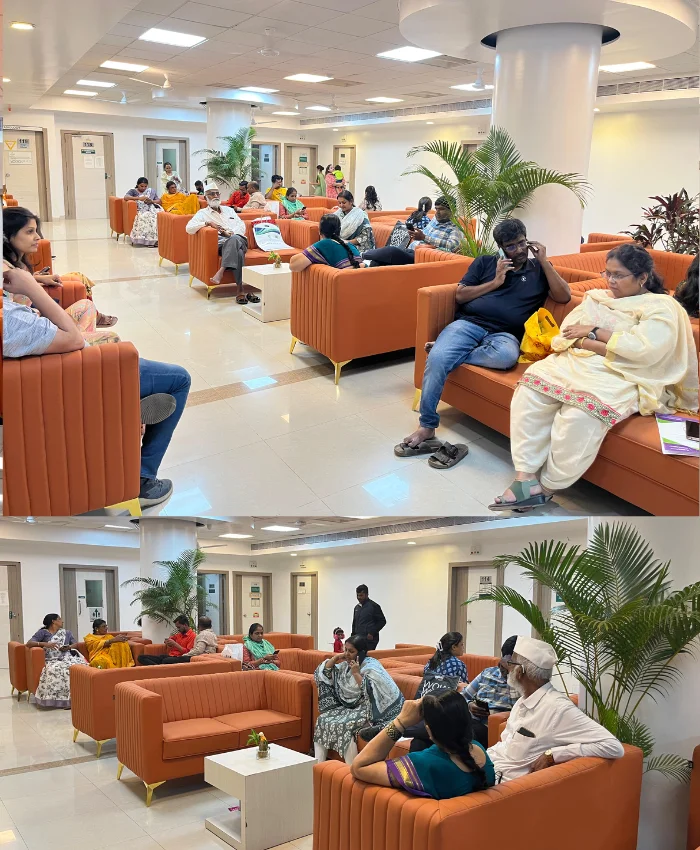
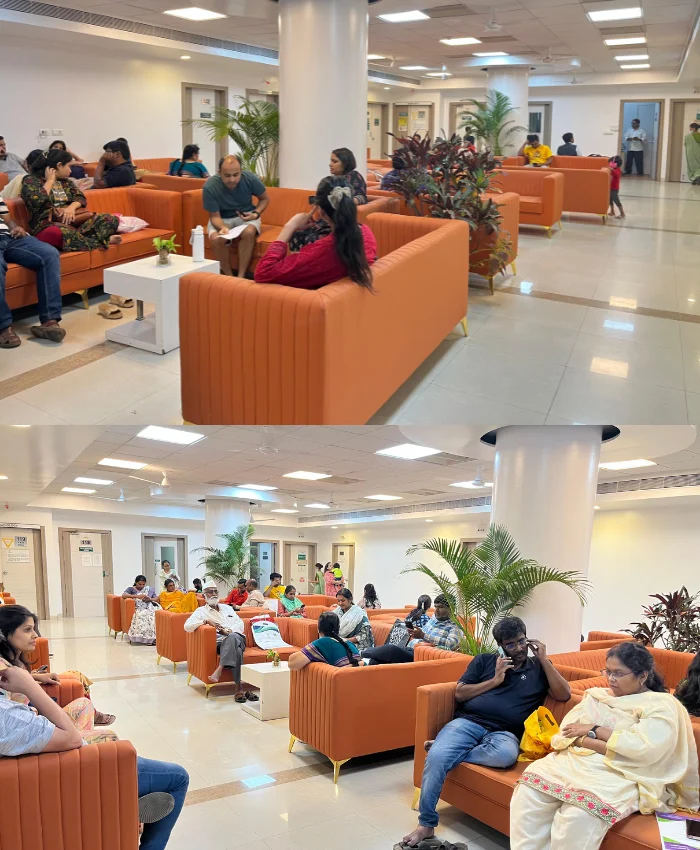
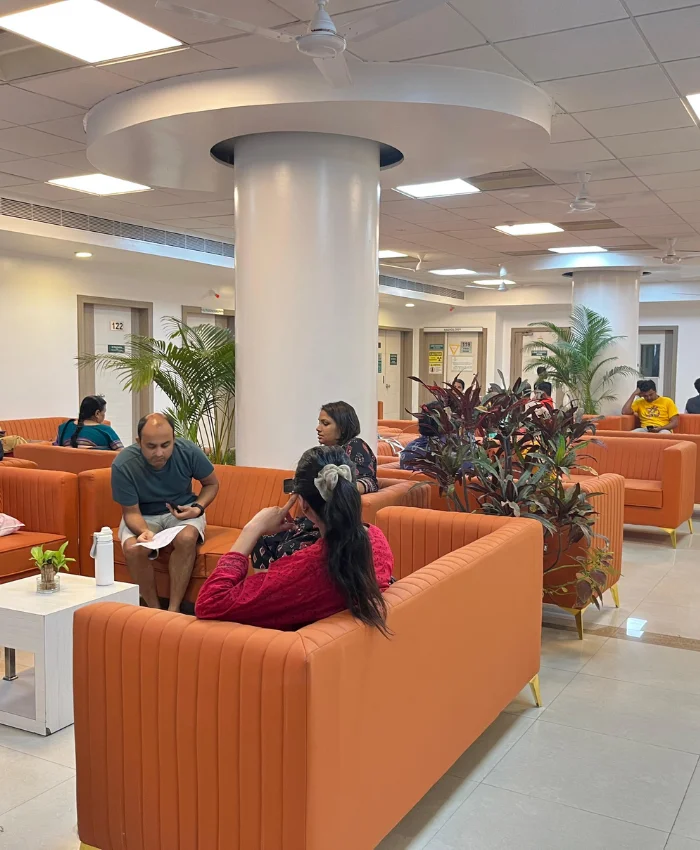
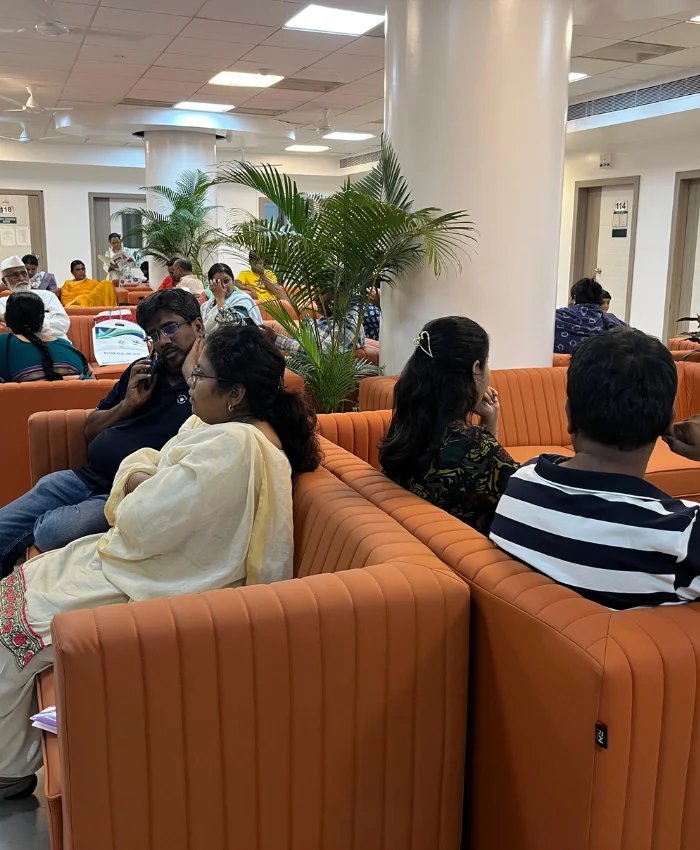
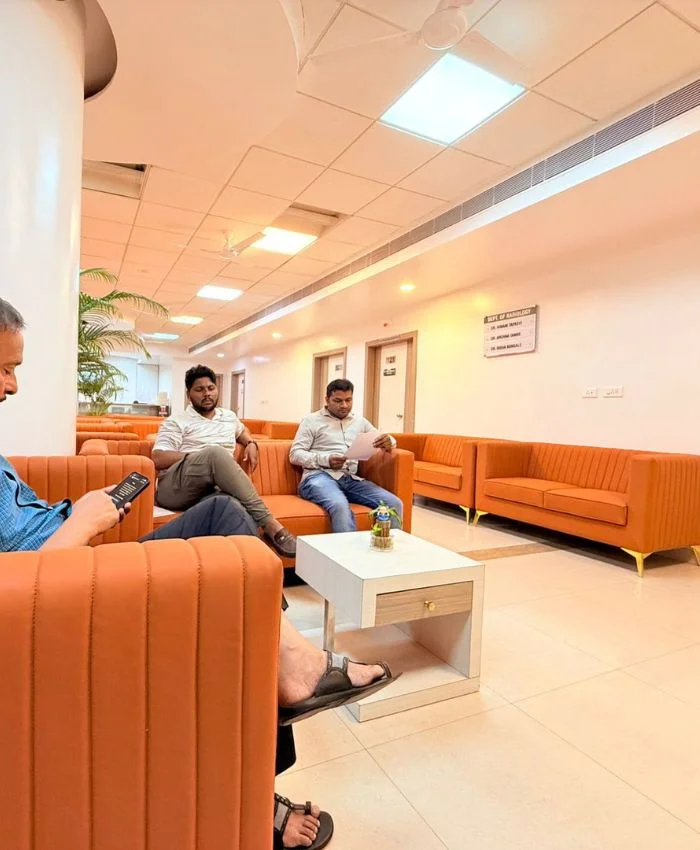
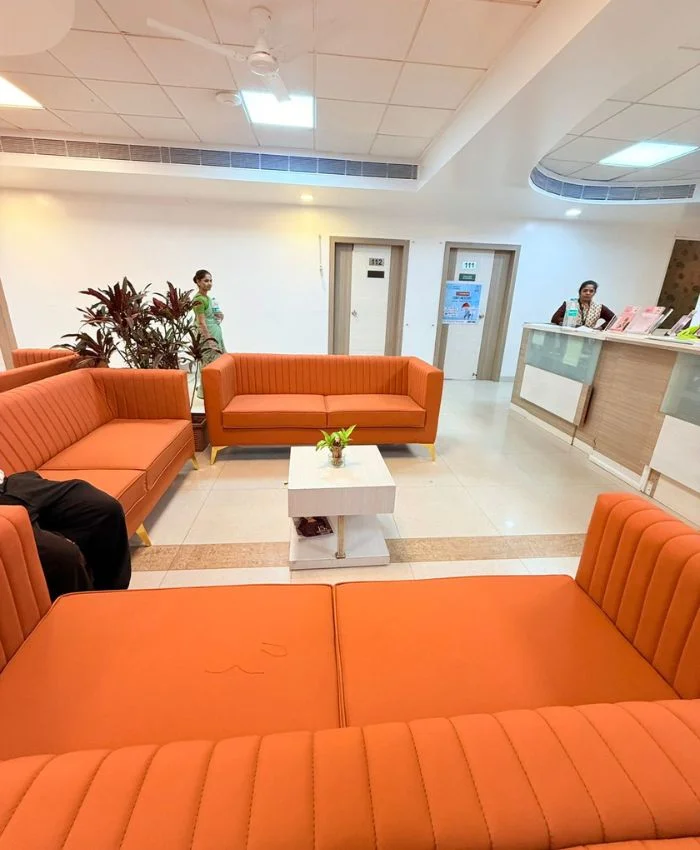
Space for partners to stay nearby during labour, and a waiting area that doesn’t feel like an afterthought for the rest of the family.
Upfront, honest conversations about cost delivery expenses vary depending on the type of birth and any complications, and we’d rather explain that clearly beforehand than surprise you with a bill later.
A Quick Checklist Before You Decide
If you’re still weighing your options, here’s what’s genuinely worth asking any hospital you’re considering:
- Will the doctor who’s been tracking my pregnancy also be the one present at delivery, or does that depend on who’s on shift that day?
- Is there an NICU in the same building, or would we need to be transferred elsewhere if something came up?
- How far is it from home, realistically, at 2 a.m. when labour starts?
- Do they actively support normal delivery, or does everything tend to end up as a C-section?
- What kind of support is there after discharge? Is it just a follow-up appointment, or actual guidance through those first tough weeks?
These questions matter more than a fancy lobby or a polished website ever will.
In Closing
At the end of the day, choosing a maternity hospital in Pune comes down to trusting that the people around you know what they’re doing, and that they’ll treat you like a person, not a case number, even when things get busy or complicated. That’s what we’ve tried to build at ONP Hospitals, across both our Shivajinagar and Pimple Saudagar centres.
If you’re expecting and still figuring out where to deliver, we’d be happy to have a conversation with you, no pressure, just honest answers to whatever’s on your mind.
Frequently Asked Questions
1) Is a normal delivery always completely natural, with no medical support at all?
Not really, and this is one of the most common misunderstandings about normal delivery. Even in a fully natural birth, your vitals, the baby’s heartbeat, and the progress of labour are monitored throughout, and you can still choose pain-relief options like an epidural if you want them that doesn’t change the fact that it’s a normal delivery. What actually defines it is that surgery, forceps, or heavy intervention are avoided unless there’s a genuine medical reason to step in. So “natural” here means minimal interference, not zero medical support.
2) When’s the right time to start visiting a maternity hospital?
As soon as you get that positive pregnancy test, honestly don’t wait for the first trimester to “settle down” first. Early registration means your doctor gets a complete picture of your health history, any existing conditions, and your baby’s development right from week one, instead of piecing it together later. It also gives you time to build a relationship with your obstetrician, ask questions as they come up, and get comfortable with the hospital’s routines before delivery day arrives.
3) What if labour starts as normal but complications show up midway?
This happens more often than people expect, and it’s actually one of the biggest reasons continuous monitoring matters so much during labour. Things like a slowing heartbeat, stalled progress, or unexpected bleeding can show up without warning, even in pregnancies that looked completely low-risk right up until that point. When something like this happens, the team doesn’t wait around hoping it resolves on its own; they reassess quickly and move to a C-section if that’s what keeps mother and baby safe.
4) Why does having an NICU in the same hospital actually matter?
Because when a newborn needs help, the first few minutes genuinely matter more than almost anything else. If a baby is born early, underweight, has trouble breathing, or needs closer observation, every minute spent transferring them to another facility across the city is a minute of delayed care. A hospital with its own NICU means a neonatologist can step in immediately, right there in the building, without the risks and stress of an ambulance transfer.
5) Can my partner stay with me during labour?
Yes, in most cases, and honestly, we’d encourage it. Having someone familiar in the room holding your hand, reminding you to breathe, just being present genuinely changes how labour feels emotionally, even though it doesn’t change the medical process itself. Partners are generally welcome to stay close through labour and delivery, within whatever limits the medical situation requires at that moment.
6) What kind of help is available after I go home with the baby?
More than most first-time parents expect to need, honestly. Breastfeeding doesn’t always come naturally right away, and it’s completely normal to have questions or struggles in the first few days. That’s where lactation consultants come in, helping with positioning, latch issues, and supply concerns. Beyond feeding, there’s guidance on newborn care basics like bathing, cord care, and sleep patterns, along with postpartum counselling for the mother, since the emotional adjustment after birth can be just as demanding as the physical recovery.
7) Is emergency care available at night, or only during regular hours?
Round the clock, without exception. Labour doesn’t work around visiting hours or shift changes, and neither should the hospital you choose. Doctors, nurses, and emergency staff are available 24 hours a day, seven days a week, so whether contractions start at 3 p.m. or 3 a.m., there’s a full team ready to respond immediately rather than someone being called in from home.
Our Gallery


Visit Our Hospital
Related Blogs

First Trimester Care: What Every
Best Maternity Hospital for Normal Delivery in Pune: What New Parents Should Actually Know October...
Read More
Common Gynecological Problems Women Often
Best Maternity Hospital for Normal Delivery in Pune: What New Parents Should Actually Know October...
Read More