First Aid Is The First And Immediate Assistance March 16, 2022 First aid is the...
Read MoreFirst Aid Is The First And Immediate Assistance
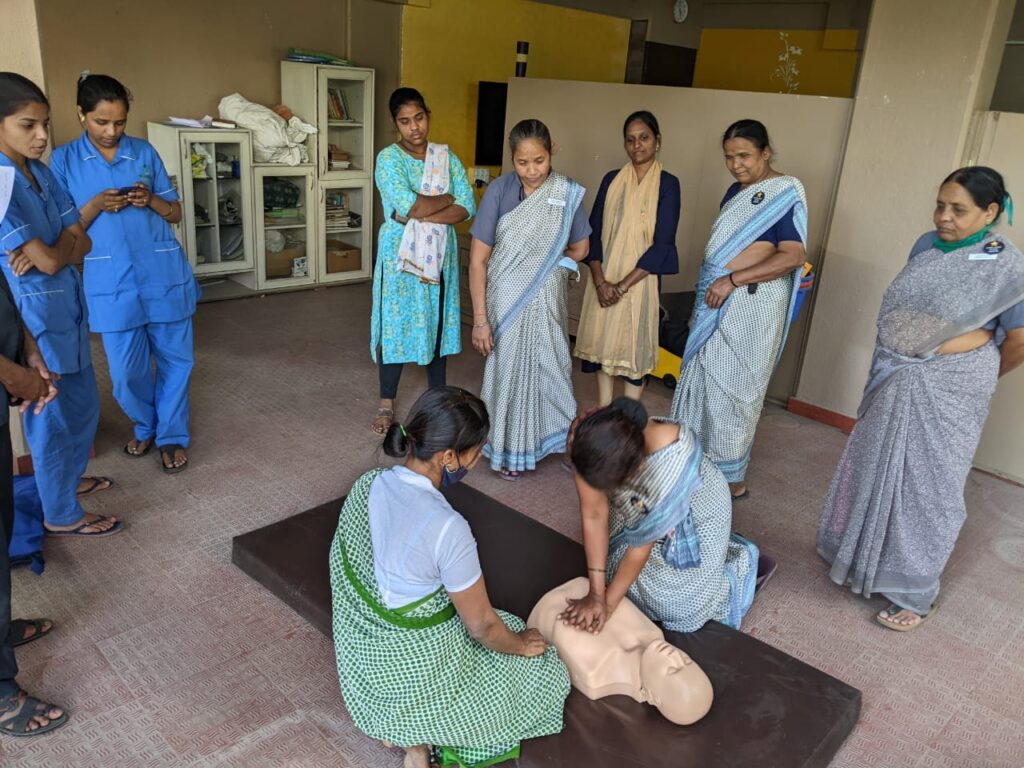
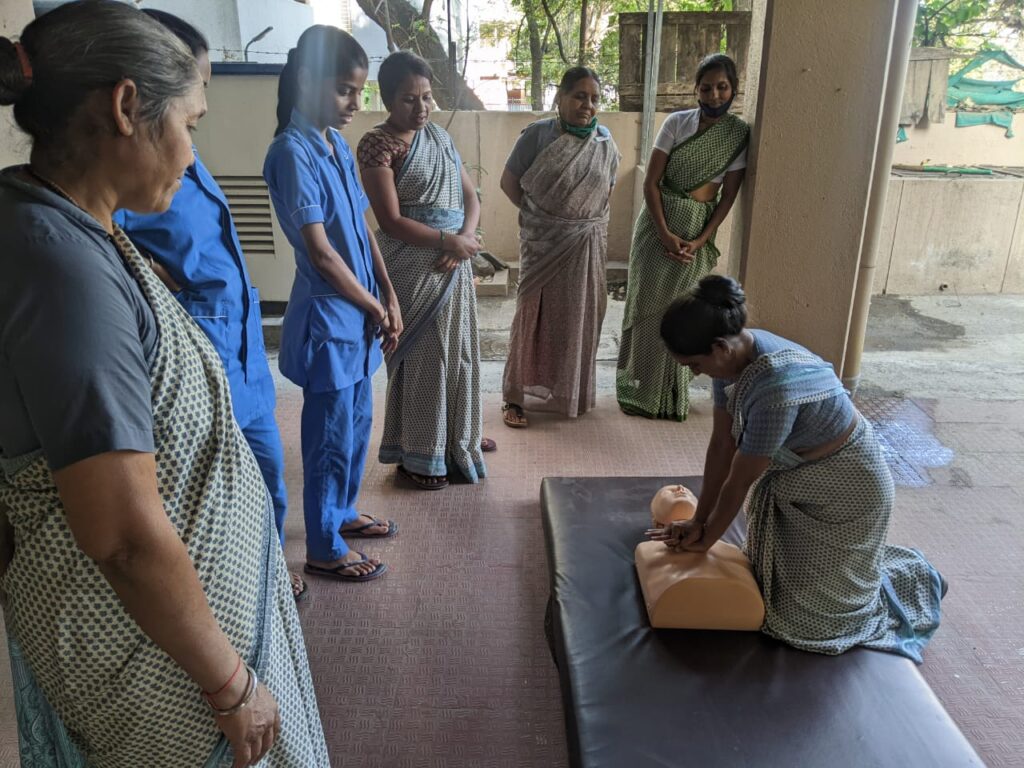
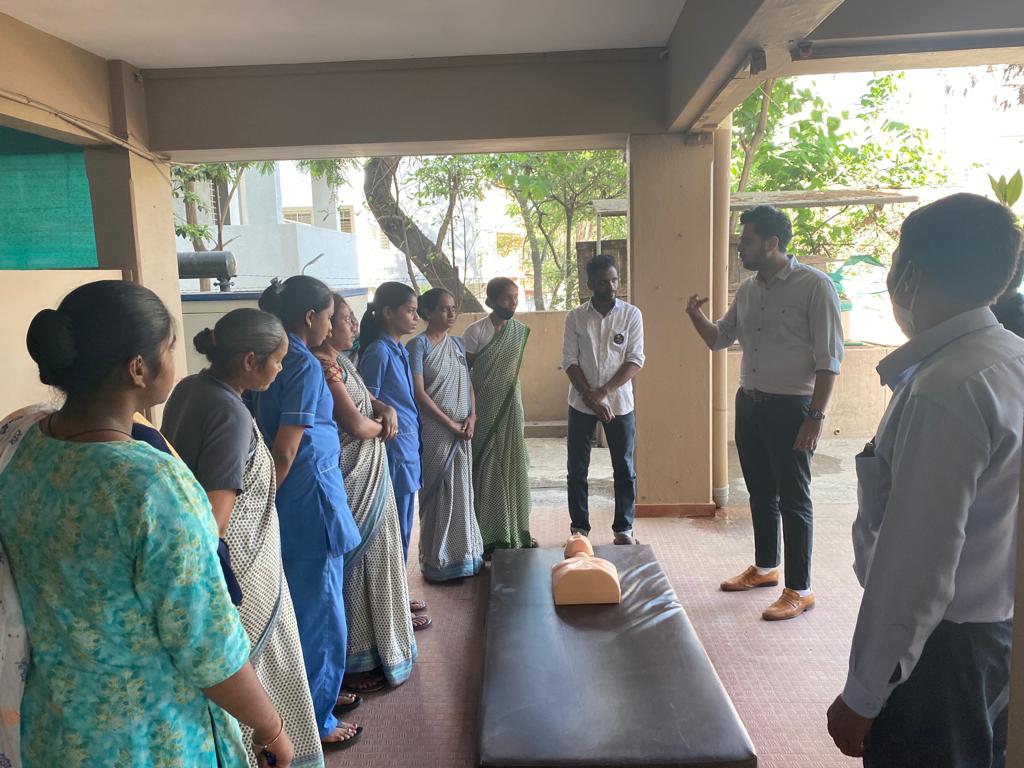
First aid is the first and immediate assistance given to any person suffering from either a minor or serious illness or injury, with care provided to preserve life, prevent the condition from worsening, or promote recovery. It includes initial intervention in a serious condition prior to professional medical help being available, such as performing cardiopulmonary resuscitation (CPR) while waiting for an ambulance, as well as the complete treatment of minor conditions, such as applying a plaster to a cut. Having the practical skills, knowledge, and confidence to act swiftly in the event of a witnessed cardiac arrest is the best chance of helping someone survive an out-of-hospital cardiac arrest until the emergency services can arrive on the scene.
Our staff is well trained, certified, and always ready to help your loved ones.
Early recognition, immediate CPR, and prompt medical intervention can significantly improve outcomes in out-of-hospital cardiac arrest situations.
For advanced cardiac care, emergency cardiac treatment, and comprehensive heart health services, trust ONP Hospitals, one of the Best Cardiology Hospitals in Pune, with experienced specialists and state-of-the-art medical facilities dedicated to heart care.
FAQ’s
1. What is first aid and why is it important?
First aid is the first and immediate assistance provided to a person who is injured or suddenly becomes ill before professional medical help arrives. It can help save lives, prevent complications, and promote recovery.
2. What is the purpose of first aid?
The main goals of first aid are to preserve life, prevent the condition from worsening, and support recovery until emergency medical services can take over.
3. When should first aid be administered?
First aid should be provided immediately after an accident, injury, medical emergency, burn, bleeding episode, choking incident, or sudden illness occurs.
4. What are the basic steps of first aid?
Basic first aid includes assessing the situation, ensuring safety, checking responsiveness, calling for emergency assistance, providing CPR if needed, controlling bleeding, and monitoring the person’s condition.
5. Why is immediate first aid important during emergencies?
Immediate first aid can reduce the severity of injuries, prevent further harm, increase survival rates, and improve recovery outcomes before professional medical care is available.
6. What should I do if someone is unconscious?
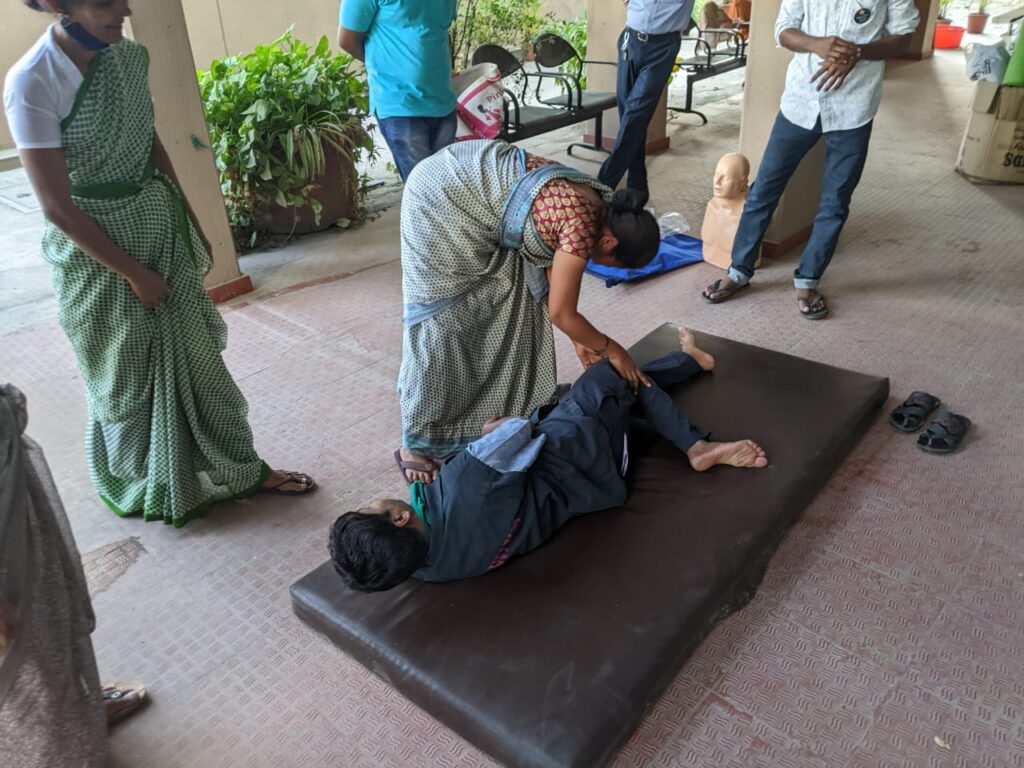
Check for breathing and responsiveness, call emergency services, place the person in the recovery position if they are breathing, and begin CPR if they are not breathing normally.
7. Can first aid help during a cardiac arrest?
Yes. Immediate CPR and the use of an automated external defibrillator (AED), if available, can significantly improve survival rates in cases of cardiac arrest.
8. What should I do for severe bleeding?
Apply direct pressure to the wound using a clean cloth or bandage, elevate the injured area if possible, and seek emergency medical attention immediately.
9. What are the essential items in a first aid kit?
A first aid kit should include bandages, gauze, antiseptic wipes, adhesive tape, scissors, gloves, pain relievers, a thermometer, and emergency contact information.
10. Who should learn first aid?
Everyone can benefit from learning first aid, including parents, teachers, caregivers, office workers, students, and community members, as emergencies can happen anywhere.








Importance of Regular Health Checkups
First Aid Is The First And Immediate Assistance March 16, 2022 First aid is the...
Read More
When Should You Consult a
First Aid Is The First And Immediate Assistance March 16, 2022 First aid is the...
Read More