
How To Keep Kids Hydrated And Safe During A Heatwave?

Are you Keeping Your Kids Cool? Young children are more susceptible to dehydration and becoming ill in hot weather than healthy adults. Children’s bodies don’t tend to cool down as efficiently which leaves them more at risk than during a summer heatwave. Dehydration occurs when fluids leave the body through sweating faster than they are being replaced – severe dehydration can be life-threatening! Heat cramps, heat exhaustion, or heat stroke, can happen to anyone who stays in the summer heat and sun for too long, but children are more at risk. It is important for parents to know how to prevent heat emergencies, recognize when their child has been in the heat for too long and be able to provide help when needed. The Signs and Symptoms of Heat-Related Emergencies: Cramps or muscle tightening, usually in the legs and abdomen but they can be in other parts of the bodyHeadacheNauseaDizziness, weakness, and feeling faintSkin that is redder or paler than usual, or moist skinRapid shallow breathingUnusual irritable, bizarre, or aggressive behavior How to Help? Move the child to a cooler locationGive the child cool water to drink in sipsHave the child loosen any tight clothingFan the childPut cool water on the child’s skinIf the child’s condition is severe, put covered ice packs in each armpit and on the back of the child’s neckWhen you’re hot you sweat more than normal, so you need to drink more to replace the water your body is losing. Drink plenty of cool fluids, even if you do not feel thirsty, but avoid caffeine and alcohol which can cause dehydration and stop your body from controlling its temperature properly.Encourage your child to have a beverage break every 20 minutes in hot weather Preventing Heat-Related Emergencies Be sure your child drinks plenty of cool fluids — this is the most important preventative step you can take!Get your child into the habit of having a drink break about every 20 minutes or so in hot weather and during physical activity.Avoid activities outside during the hottest part of the day (usually around noon).Know the humidex rating — it combines the temperature and humidity to indicate how hot, humid weather feels to the average person.Dress your child in light, loose clothing to let air circulate and heat escape, and always make sure they wear a hat.Apply sunscreen (with SPF 25 or higher) as sunburned skin reduces the body’s ability to cool itself.Slow down your child’s activities as it gets hotter and doesn’t play for too long at a time.Take a lot of breaks in a cool or shady area to let your body cool off.To know more, talk to our expert with 35+ years of experience Dr. Amita Phadnis, CMD, and HOD of the pediatrics and Neonatology department at Oyster and Pearl Hospitals Pune. To book an appointment: https://www.onphospitals.com/
Does Your Child Have Abnormal Jerking Movements?

Does your child have abnormal jerking movements? What are febrile seizures? Seizures are waves of abnormal electrical activity in the brain. They can make you pass out, or move or behave strangely. “Febrile” means that the seizure is caused by a fever. Febrile seizures occur in children ages 6 months to 5 years old. They often run in families. How do I know if my child has a fever? To find out if your child has a fever, take their temperature. The most accurate way is to take a rectal temperature (figure 1). A temperature higher than 100.4°F (38°C) is a fever. What are the symptoms of a febrile seizure? During a febrile seizure, the child usually passes out and has jerking movements of the arms, legs, or face. Most febrile seizures last less than 5 minutes. After a seizure, the child might be confused or sleepy for a short time. Although not as common, some febrile seizures last more than 15 minutes. After a longer seizure, a child can have short-term weakness in their arm or leg. How can I help my child during a seizure? During a seizure, you should: ● Put your child on their side ● Not put anything in your child’s mouth or try to stop the jerking movements ● Keep track of how long the seizure lasts – If it lasts more than 5 minutes, call for an ambulance Does my child need to see a doctor? Yes. Take your child to the doctor as soon as possible. They will want to make sure that your child’s fever isn’t caused by a serious infection. To do this, your doctor might need to do tests. How are febrile seizures treated? If a febrile seizure stops on its own, it does not need to be treated. If a febrile seizure lasts more than 5 minutes, a doctor might need to use anti-seizure medicines to stop it. Your child might also get other treatments, such as: ● Medicines to bring down the fever ● Medicines to treat the infection that is causing the fever (if the fever is caused by an infection) ● Fluids to treat dehydration (if the infection is causing vomiting or diarrhea) Will my child have more febrile seizures? It’s possible. Children who have 1 febrile seizure have a higher chance of having another. Talk with your doctor or nurse about how to treat any fevers that your child gets in the future. If your child keeps having febrile seizures, your doctor might prescribe medicine so that you can treat your child’s seizures at home. Does a febrile seizure cause brain damage?No. A febrile seizure does not cause brain damage. It also does not mean that your child will have a life-long seizure conditionTo know more about seizures or epilepsy talk to our expert with 35+ years of experience Dr. Amita Phadnis, CMD, and HOD of pediatrics and Neonatology department, Oyster and Pearl Hospitals, Pune.To book an appointment : https://www.onphospitals.com/
Does Your Child Have Night Terrors?

Child tucked into bed with white covers you’ve ever been woken at night by your child screaming and thrashing in bed only to realize they’re still asleep, chances are your child is experiencing a night terror. While these episodes are alarming to witness, they are usually not causing concern. It is much harder on the parent to watch [a night terror] than it is on the child to experience it, days Dr. Amita Phadnis, CMD and HOD of Pediatrics and Neonatology department at Oyster and Pearl Hospital, Pune. What are night terrors? Night terrors are a fear reaction that disrupts sleep. They generally occur during the first third of the night as your child transitions from the deepest stage of sleep to a lighter one.During a night of terror, your child may:Sit uprightShout or flailBe unaware of their surroundingsNot respond when spoken toSweat, breath very fast, have a rapid heart rate and dilated pupils How are night terrors different from nightmares? Night terrors are often confused with nightmares. A key difference is that children often wake up during nightmares and remember each scary detail. That’s because nightmares occur during the rapid eye movement (REM) stage of sleep when your child is dreaming. During night terrors, children remain in a deep, non-dreaming stage of sleep, even though they may appear to be awake. They have no memory of the night terror when they wake up the next morning because night terrors have no mental images associated with them. As children don’t remember these episodes, it’s best not to describe or reenact them, either to your child or within their earshot.Night terrors do not create a visual memory, so your child cannot describe what triggered the episode “But children are observant and if their caregiver retells a scary nighttime event, it can scare the child.” What triggers night terrors? Night terrors are most common in children ages 4-12 and often disappear entirely by the time a child reaches their teens. While night terrors tend to happen randomly, the tendency to have them may run in families. Night terrors may be triggered by: CaffeineMedicationsIllnessBeing overtiredSleeping in a new environment What should I do while my child is having a night of terror? As a parent, your natural instinct may be to console your child. But waking your child from a night terror may disorient and confuse them. Remember, your child is in a deep sleep and will have no memory of the episode. It is recommended to stay nearby your child – to ensure they are safe – until the night terror passes. Most episodes don’t last more than a few minutes. Children with night terrors may also sleepwalk. If your child sleepwalks (or has in the past) make sure all entryway doors and windows are locked and that the sleeping environment is safe each night before bedtime. Is there anything I can do to prevent night terrors? Being overtired or feeling stress are known triggers for night terrors. It is recommended that parents try the following to calm and relax their children before bedtime: Make time for young children to nap during the day so they don’t get overtired.Create a calming and simple nighttime routine, such as a warm bath and a book or puzzle before bed.Stick to a consistent bedtime for your child.If your child experiences repeated night terrors or other sleep-related issues, such as snoring, sleepwalking, or bedwetting. Rest assured: Most children outgrow night terrors. And when that happens, the entire household will sleep more soundly. Stay in Touch Are you looking for advice to keep your child healthy and happy? Do you have questions about common childhood illnesses and injuries?Talk to our expert Dr. Amita Phadnis, with 35+ years of experience in pediatrics and Neonatologist.To book an appointment contact: https://www.onphospitals.com/
What Is The Best Sleeping Position?

Most people spend a third of their lives either asleep or resting, according to the Sleep Foundation. During sleep, the body recharges and repairs itself. And a good night’s sleep often can be determined by what position you are lying in bed.Back-sleepers beware.Many people find it to be comfortable because they’re not putting weight on their joints. But our experts say sleeping on your back is actually the worst sleeping position, especially if you have sleep apnea. Sleeping on the back means that your tongue and jaw can fall down and crowd your airway. And many people snore more on their back Sleeping on your stomach helps keep the airway open, but it can put a strain on your spine and neck. There’s a host of evidence overall suggesting that probably sleeping on the side is better,Side sleeping helps prevent the airway from collapsing and can reduce snoring. And so, all in all, sleeping on the side — perhaps with their head slightly elevated as long as that’s comfortable — is a good way to sleepSide sleeping also is recommended during pregnancy, especially in the last trimester. And sleeping on the left side is best because it keeps pressure off internal organs and promotes healthy blood flow. When you are in the third trimester of pregnancy and when you sleep on your back, the uterus is compressing your inferior vena cava. It’s compressing the arterial system. Sleeping on your side also is considered by the Sleep Foundation as the best for people with neck and back pain, especially if you place a small pillow between your knees. Because if you don’t have a pillow between your knees, that stress of sleeping on the side pulls on your hip and can cause some issues.To know more, Talk to our experts – https://www.onphospitals.com/internal-medicine/
First Aid Is The First And Immediate Assistance
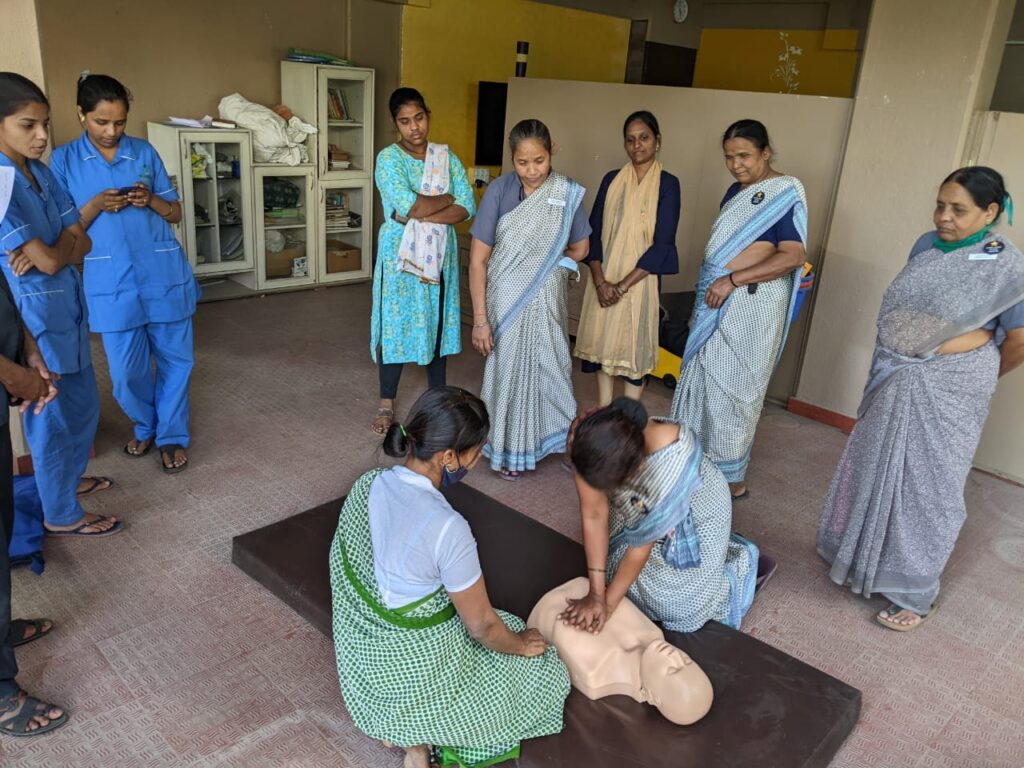
First aid is the first and immediate assistance given to any person suffering from either a minor or serious illness or injury, with care provided to preserve life, prevent the condition from worsening, or promote recovery. It includes initial intervention in a serious condition prior to professional medical help being available, such as performing cardiopulmonary resuscitation (CPR) while waiting for an ambulance, as well as the complete treatment of minor conditions, such as applying a plaster to a cut. Having the practical skills, knowledge, and confidence to act swiftly in the event of a witnessed cardiac arrest is the best chance of helping someone survive an out-of-hospital cardiac arrest until the emergency services can arrive on the scene.Our staff is well trained, certified, and always ready to help your loved ones.
How Long Should It Take You to Have a Bowel Movement?

The short answer from a colorectal surgeon- The first thing you need to do is leave your phone outside the bathroom. Don’t take the newspaper, your book, your iPhone, or any other device in there with you. The bathroom is meant for one reason and one reason only — and that’s to empty your bladder and have a proper bowel movement. What that means is if you have a proper diet with good fiber and enough water intake, your bowel movements should be a very short occurrence. You should be able to sit down on the toilet (with minimal straining, if any), and within a few minutes, you should be done going to the bathroom. Five minutes really should be the maximum time you spend in the bathroom To know more talk to our experts at : https://www.onphospitals.com/
Rotator Cuff Injuries

Your rotator cuff often gets talked about like it’s just one thing. In reality, though, it’s a collection of four small muscles and a network of tendons that work together to help you lift and move your arms. These muscles and tendons work to keep the ball of your upper arm bone in your shoulder socket. It’s a tough job, with inevitable wear and tear, which can lead to: Rotator Cuff Tears This injury is exactly what it sounds like. It’s a tear — either partial or full — of a rotator cuff tendon connected to your arm bone. Your tendon can tear from a single event, like falling down on an outstretched arm. It also may deteriorate slowly over time due to repetitive motion. (For example, a plumber who frequently raises their arms overhead can develop a rotator cuff tear.) If you experience shoulder pain at night that makes it difficult to fall asleep or jolts you awake, you may have a tear in one or more of your rotator cuff tendons. You also may have this type of injury if you feel pain when lifting your arms overhead (like when brushing your hair) or weakness in your shoulder when trying to lift anything above shoulder level. Initial treatment typically involves relative rest, the application of ice, and sometimes the use of over-the-counter (OTC) nonsteroidal anti-inflammatory drugs (NSAIDs). Physical therapy is also frequently prescribed. Rotator Cuff Tendonitis Rotator cuff tendonitis happens when tendons in your joints become inflamed and irritated. The pain usually hits on the front and side of your shoulder. You might also feel a little stiffness. This condition can occur with activities that involve using your arms overhead, like tennis, yoga, or painting a room Treatment typically involves rest, applying ice, and taking NSAIDs. Most people recover from tendonitis within a few weeks. Rotator Cuff Bursitis Small sacs of fluid called bursae hold an important job in your shoulder. They provide lubrication and act as cushions to reduce rubbing and friction as your muscles, tendons, and bones move around. Overuse of your shoulder or keeping your joint in an awkward position can aggravate the bursae, leading to the swelling and inflammation that defines bursitis. The injury often occurs in tandem with tendonitis, with a similar pain and treatment approach. (Lower your chances of dealing with bursitis by using these life tips, stretches, and exercises recommended by a physical therapist.) Shoulder Impingement Syndrome If one of the above rotator cuffs issues lands on your medical chart, a condition called shoulder impingement syndrome may follow. Swelling from a rotator cuff injury can lead to lead to rubbing or even a “pinch” of your muscles and tendons threading through the tight space. This impingement can cause considerable discomfort. Symptoms typically calm down over weeks to months with physical therapy, rest, ice, and NSAIDs. Frozen Shoulder There’s a formal name — adhesive capsulitis — for the painful condition where your shoulder becomes stiff and can’t move. Most people, though, know it by a more descriptive moniker: frozen shoulder. The condition occurs when the connective tissue in your shoulder’s ball-and-socket joint thickens and stiffens. This makes it difficult to move your arm without a whole lot of pain. The less you move your arm, the more the problem grows. Eventually, your shoulder feels frozen in place. (Hence, the name.) While some people develop adhesive capsulitis following an injury, many who are diagnosed with frozen shoulder cannot recall any injury. It’s also seen more frequently in people with diabetes, Parkinson’s disease, and a few other conditions for reasons that aren’t quite clear. Frozen shoulder can take several months to resolve, even with aggressive treatment. Exercises and stretches that target the range of motion in your shoulder also can be useful to keep symptoms at bay. The onset of stiffness in your shoulder following a period of immobilization, such as using a sling to protect your arm after a fracture, is a different condition than a true frozen shoulder. Post-injury stiffness typically responds quite quickly to physical therapy. Calcific Tendonitis Another worry with your shoulder? Something called calcific tendonitis. This condition — which is less common — develops when calcium deposits build up within tendons running through your shoulder. The bigger these deposits grow, the more irritation and pain they cause. Calcific tendonitis can arise in the face of chronic tendonitis of the rotator cuff. The deposits can typically be seen on X-rays. Treatment usually centers on physical therapy, NSAIDs and steroid injections. Shoulder Osteoarthritis A deep ache in the back of your shoulder may be a sign of osteoarthritis. This pain follows the deterioration of cartilage, the cushioning material that covers the ends of your bones. As osteoarthritis worsens, stiffness in your shoulder develops to the point where you might lose the ability to reach behind your back. Osteoarthritis symptoms develop over time. For some people, a shoulder injury from sports or some other activity may kick off a degenerative process that eventually results in osteoarthritis. But many people have no specific cause — it’s just worn and tear over time. Treatment for osteoarthritis of the shoulder is similar to treatment for a rotator cuff tear. If the condition is severe, you can undergo shoulder joint replacement surgery, which is similar to joint replacement for hips and knees. Other Forms of Shoulder Arthritis While osteoarthritis may be the most common form of shoulder arthritis, there are a few more types that can bring pain. The list includes: Rheumatoid arthritis. This chronic autoimmune disease targets joints in your body, including your shoulder.Post-traumatic arthritis. A shoulder injury may heal, but there can be long-term damage that shows itself later through post-traumatic arthritis.Rotator cuff tear arthropathy. Count this form of arthritis among the potential after-effects of a rotator cuff tear. Avascular necrosis. This painful condition happens when something blocks the flow of blood to your bone tissue. It’s typically caused by a fracture or disease. When to see your doctor about shoulder pain is
Build Resilience To Better Handle Diabetes
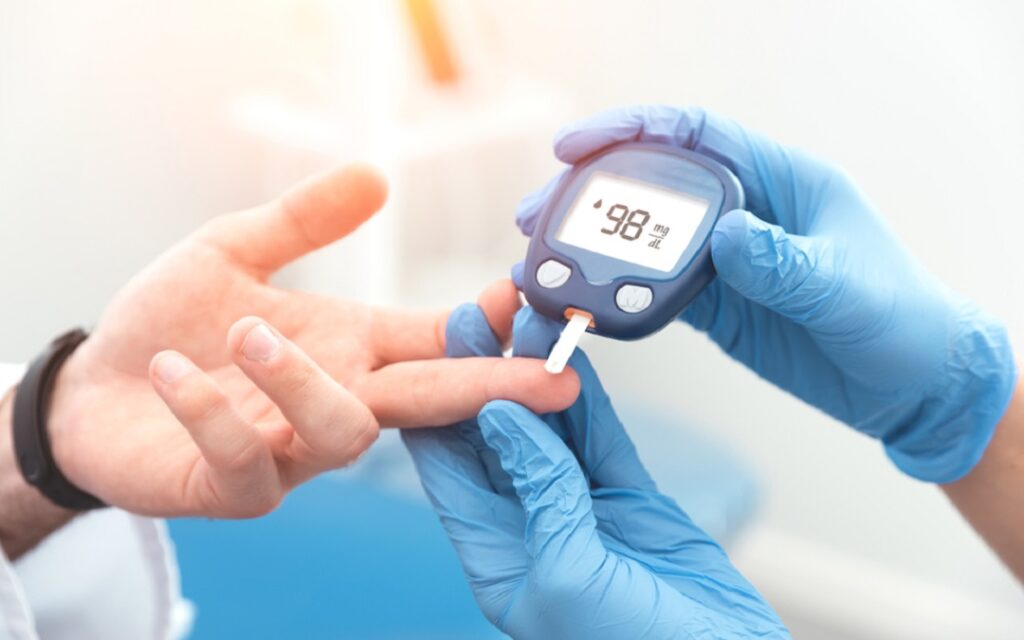
Resilience is the ability to withstand and bounce back from adversity. Studies in people with diabetes have shown that high resilience levels are related to lower A1C levels, indicating better glycemic control. Some people are lucky enough to be born with a high resilience level, but even if you’re not one of them, you can still boost your resilience. Resilience can help you reduce stress and anxiety and improve your coping skills. Here are some tips to get you started :1. Make connections. Maintain good relationships with close family members and friends. Accept their support, and offer it in return.2. Accept that change is part of life. Accept circumstances that can’t be changed. Instead, focus on what you can change.Take action. When there are situations you can change, take action. Don’t cut yourself off from problems and wish they would disappear.Keep things in perspective. When you're facing difficult circumstances, think about the problems in the big picture. Have a long-term perspective — such as thinking about whether it will matter in five years. Avoid making a small thing a bigger problem than it really is. Keep a positive and hopeful outlook. Cultivate an optimistic outlook. Think that good thing will happen in your future and life. Picture what you want in the future instead of worrying about your fears. Take care of yourself. Get regular exercise, eat a healthy diet, get enough sleep, and practice self-care. Consider meditating or joining a faith community. Get involved in activities that are fun and relaxing for you. You'll be better able to cope with challenges when you're mentally and physically strong. To know more about it Talk to our experts at – https://www.onphospitals.com/
Why Is My Period Late?

There’s nothing like a late period to add some extra stress to your life. The most obvious culprit — pregnancy — is one possibility, but there are lots of other reasons. What is a “Late” Period? Although a few people might have pinpoint predictability with periods, most have a little variation. So if your period is a day or two late, don’t panic. “Your menstrual cycle is the length of time from day one of your period today to one of your next periods. On average, these cycles are 24 to 38 days long. That means that a 28-day cycle one month and a 26-day cycle the next month is probably nothing to worry about. Your period might be considered late if : It’s been more than 38 days since your last period. You’re normally really regular, and your period is more than three days late. Things that delay your period A missed period is often the first sign of pregnancy, but there are other reasons for lateness, too. Here are some other factors that can delay your monthly flow : Extreme Diet and Exercise A healthy diet and regular exercise can do wonders for your health. But if you overdo it, you might say bye-bye to your periods, at least temporarily. “Athletes who train really hard or who don’t get enough calories may stop menstruating, It’s the body’s way of telling you that it doesn’t have enough resources to support a pregnancy.” When your periods stop due to weight loss, diet or exercise, you’re experiencing secondary amenorrhea. This means you previously had periods, but they have stopped. Secondary amenorrhea might happen to you if you : Eat an extreme, calorie-restricted diet. Have an eating disorder, such as anorexia or bulimia. Lose a lot of weight in a short amount of time. Undergo hardcore exercise training, such as for a marathon. Polycystic ovary syndrome (PCOS) is a hormonal imbalance that interferes with the release of an egg (ovulation). When you don’t ovulate, you usually don’t have a period. Many people with PCOS have irregular, late, or missing periods. Other symptoms of PCOS include : 1. Acne.2. Excess facial or body hair.3. Thinning hair.4. Weight gain or trouble losing weight.5. Doctors diagnose PCOS by checking your symptoms and performing medical tests when needed. Medication and lifestyle changes can help manage the symptoms. Stress High levels of stress aren’t just a drain on your mental well-being. They can cause physical symptoms, too — and your periods could be in the line of fire. “Minor, everyday stress usually won’t affect your period. “But big-time stressors interfere with your body’s delicate hormone balance, which can ultimately make your period late.” Some examples of major stress include: Death of a loved one. High school or college exams. Job loss Major life events, such as a wedding.5. Hormonal contraceptives Hormonal birth control contains progestin or a combination of progestin and estrogen. These hormones stop ovulation and prevent pregnancy. Hormonal contraceptives include : Oral contraceptive (“the pill”): These are pills you take every day. Birth control patch: This is a sticker that you place on your skin and replace each week. Vaginal ring: You place this ring-shaped device in your vagina and change it once a month.Injectable contraceptive: This is a shot your doctor gives you every three months. Hormonal implant: This implant is a tiny rod-shaped device that a doctor places under the skin in your upper arm. Hormonal intrauterine device (IUD): This is a T-shaped device that your doctor places inside your uterus. Some hormonal birth control causes a false period known as withdrawal bleeding. You’ll have this “period” when you have your hormone-free week with the pill, ring or patch. But if you keep taking the contraceptive without the hormone-free week, you might have some light spotting or no period at all. “It’s OK to miss a period if you’re taking hormonal contraceptives continuously. But ask your doctor before trying it to be sure it’s safe for you.” Thyroid conditions Your thyroid gland is a butterfly-shaped gland at the base of your neck. And it’s one of the many hormonal mechanisms that help dictate your periods. If it’s overactive (hyperthyroidism) or underactive (hypothyroidism), you might have a late period. “Thyroid problems are common, affecting more than 10% of women “They can cause irregular or missing periods and can be mistaken for menopause.” Youth It’s the rare young person who starts menstruating and immediately has a 28-day cycle every month. Usually, it takes a few years for things to settle down. That’s because preteens and teens have an immature hypothalamic-pituitary-ovarian (HPO) axis. “The HPO axis is the hormonal system that regulates your ovulation and menstrual cycles,” Dr. Higgins says. “It takes a few years for the HPO axis to mature and regulate your periods.” Typically, your period should even out and become more predictable in your late teens and 20s. Perimenopause Perimenopause is the transition from the reproductive years to menopause. This transition might take a year or two, or it could take several years. And during this time, your cycle might be all over the place. It could be 25 days one month and 29 the next. “Irregular periods during perimenopause are OK “but if your periods are consistently getting heavier or closer together, see your doctor.” The average age of menopause is 51, so perimenopause often begins in your 40s or 50s. Usually, perimenopause comes with other symptoms, too, such as: Hot flashes. Insomnia. Mood changes. Night sweats. Vaginal dryness. Don’t ignore a missed periodIf you keep track of your periods, you’ll probably know right away if something is amiss. Keep a period diary in your calendar or get an app designed for that purpose. Your period records can provide valuable information for you and your doctor. “Doctors want to know details about your previous periods so we can determine if there’s an issue “An occasional late period is often the result of something minor, but if you frequently have late or
Surprising Facts About the Third Trimester of a Baby

Throughout the nine months of pregnancy, both the mother and the baby undergo some incredible transformations. The bodies are growing and extending, the organs are evolving, and things are changing at a quick pace on a daily basis. Even if the baby arrives soon, he or she would be likely to survive due to advances in medicine and technology. However, the third trimester is perhaps the most difficult for the woman since she must deal with the baby bump, heartburn, eating troubles, and much more. But, at the end of the day, all of these things are quite important. Each of these changes in the body is important and must be addressed. The following are some surprising facts concerning your baby’s third trimester. The Eyes Of The Baby By the 28th week, the babies could open their eyes and could even try blinking during the third trimester. Furthermore, if they are twins, they can see, hold hands, and even reach each other’s faces. Aside from that, babies could detect light streaming out of the womb via the skin. The Dream State Many individuals are still unaware that the third trimester is a period when the brain is exceptionally active. According to the studies, babies experience REM, which is a rapid eye movement that occurs while sleeping and dreaming. However, no one knows what these babies dream about, it is wonderful to learn that dream cycles emerge at such a young age. Kick Counts By the third trimester, the baby has gotten bigger and has less room to move around. As a result, you will most likely feel the kicks and hiccups. Because newborns are frequently in motion when sleeping, a kick count could be used to determine how the baby is doing throughout the third trimester. Sound By this stage, a baby can tell the difference between his or her mother’s voice and the voice of another person. In fact, certain voices elicit a more favorable response than others. As a result, talking to your baby throughout the third trimester is an excellent idea. Fingernails By the third trimester, not only has the baby developed fingers, but his or her nails have also finished developing. Fingernails and toenails develop at the end of the first trimester and expand during the second. At around 34 weeks, they are fully developed. Eating Issues Because of the developing uterus, the stomach might get unusually congested during this stage, causing the mother to feel fuller sooner. It can also create digestive problems and heartburn, making eating even more difficult. Smelling Sense According to research, babies can recognize their mothers by their smell even when they are only a few days old. They can also recognize breastmilk, and their sense of smell develops fully by the third trimester. Hair Hair begins to form on the baby’s head at 30 weeks pregnant, while eyelashes and brows appear around week 32. However, the kid will shed some of his or her hair by birth, the color of his or her hair would most likely alter based on genetics. Bathroom Difficulties A woman’s hormonal problems aren’t the only ones she has to deal with at this stage. The bladder is now squeezed beneath the uterus, which is increasing by the day. Digestion slows dramatically, which is why some women get constipation. Lactation Many women are concerned about their ability to produce milk, yet for others, the milk arrives early and could even leak out through the third trimester. This is most common among women who have already undergone pregnancy before. Swelling Pregnant women are presumed to gain weight during the third trimester, but many are unaware that swelling might cause them to gain inches. However, edema can develop at any moment during pregnancy, it is more likely to happen during the third trimester. Vernix Just before the third trimester starts, a waxy layer forms on the baby’s skin. It seems cheesy and is a creamy milk color that covers the baby’s skin. It keeps the baby warm while also acting as a lubricant, allowing the baby to slip out during delivery. Regularly Scheduled Doctor’s Visits Previously, your visits to the doctor were reduced to once or twice a month at most. But at this stage your due date is approaching, everyone wishes you a safe birth. The specialist will keep a careful eye on the mother’s health and might ask her to visit once or twice each week. The Weight of The Baby By the completion of the last weeks, the baby might weigh anything from half a pound to a full pound. The majority of this weight increase is fat. Fat is incredibly beneficial to the baby since it assists in brain development and supplies the body with additional energy to maintain body temperature. Doctors commonly give the mother a due date, but that’s only an estimate; the baby might arrive late or early. The baby reaches full term at 37 weeks but can arrive sooner; nevertheless, there is no need to be concerned because a baby delivered at this stage will be just as healthy.