Balancing Act: Daily Habits to Maintain Health in a Modern Lifestyle November 30, 2023 Our...
Read MoreBalancing Act: Daily Habits to Maintain Health in a Modern Lifestyle
November 30, 2023
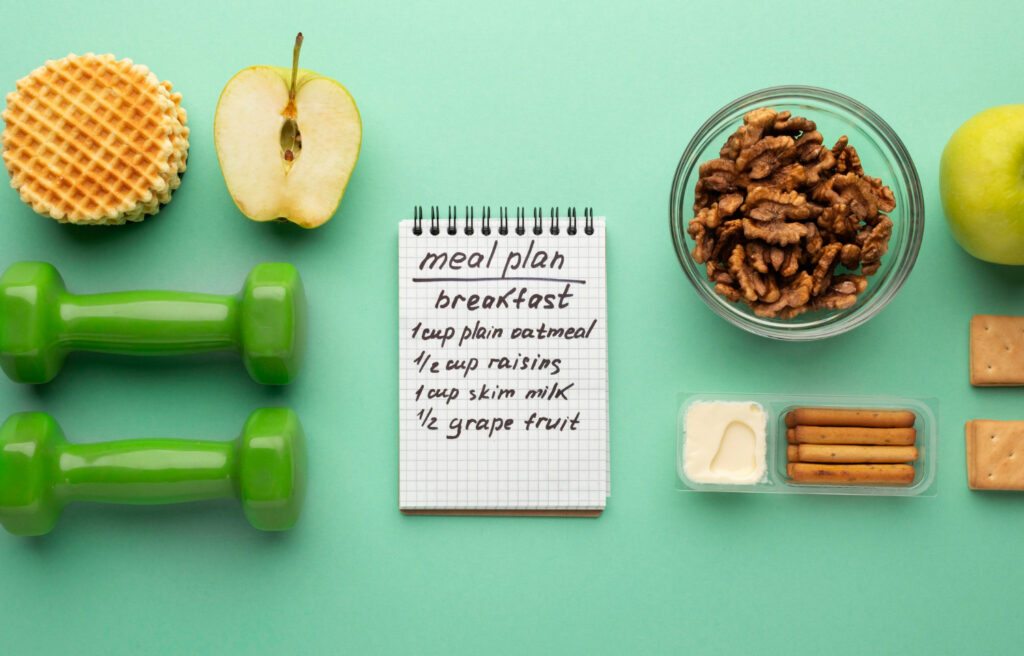
In today’s fast-paced world, juggling work, family, and personal commitments can often leave little room for prioritizing health. However, embracing a modern lifestyle doesn’t have to mean sacrificing your well-being. By incorporating simple yet effective daily habits, you can maintain a healthy and balanced life. In this blog, Pediatric Clinics in Pimpri Chinchwad -ONP Hospitals is among the leading Pediatric Clinics in Pimpri Chinchwad, providing expert child specialists, newborn care, vaccination services, growth monitoring, and pediatric emergency care.we’ll explore some essential habits to help you stay healthy while navigating the demands of a modern lifestyle.
Prioritize Sleep:
In the age of technology, it’s easy to fall into the trap of staying up late, scrolling through screens. However, quality sleep is non-negotiable for good health. Aim for 7-9 hours of uninterrupted sleep each night. Create a calming bedtime routine, limit screen time before bed, and keep your sleep environment comfortable and conducive to rest.
Mindful Nutrition:
Busy schedules often lead to grabbing convenience foods on the go, which may not always be the healthiest option. Embrace mindful eating by choosing nutrient-dense foods like fruits, vegetables, lean proteins, whole grains, and healthy fats. Plan your meals and snacks in advance to avoid impulsive choices.
Stay Hydrated:
Water is essential for various bodily functions, including digestion, circulation, and temperature regulation. Keep a water bottle with you throughout the day and make a conscious effort to drink water regularly. Herbal teas and infused water can also be enjoyable alternatives.
Incorporate Physical Activity:
Despite busy schedules, finding time for physical activity is crucial. Aim for at least 30 minutes of exercise most days of the week. Incorporate activities you enjoy, whether it’s walking, dancing, yoga, or a gym workout. You can even break your exercise into shorter segments if needed.
Practice Stress Management:
Modern life can be stressful, but chronic stress takes a toll on your health. Engage in stress-reducing practices like deep breathing, meditation, mindfulness, or hobbies you love. Taking breaks during the day to relax and recharge can improve your overall well-being.
Digital Detox:
Constant connectivity to screens can strain your eyes and contribute to mental fatigue. Implement a regular digital detox by setting boundaries on screen time. Designate tech-free zones or times, especially before bed, to promote better sleep.
Cultivate Relationships:
Strong social connections contribute to mental and emotional well-being. Make time for family and friends, whether it’s a phone call, video chat, or face-to-face interaction. Building meaningful relationships provides a sense of belonging and support.
Practice Gratitude:
The hustle and bustle of modern life can sometimes overshadow the positives. Cultivate gratitude by reflecting on what you’re thankful for each day. This practice can improve your mood and overall outlook on life.
Hygiene and Preventive Care:
In the midst of a busy life, don’t neglect hygiene and preventive care. Wash your hands regularly, maintain oral hygiene, and schedule regular check-ups with healthcare professionals.
Set Realistic Goals:
Maintaining health in a modern lifestyle requires balance. Set achievable goals that align with your schedule and preferences. Avoid aiming for perfection and instead focus on progress and consistency.
Conclusion
While the modern lifestyle may come with its challenges, it’s entirely possible to prioritize your health and well-being. By incorporating these daily habits into your routine, you can navigate the demands of your busy life while maintaining a healthy and balanced lifestyle. Remember, small changes can make a significant impact, and your well-being deserves the attention and care you give to other aspects of your life.
FAQs
1. What are the most important daily habits for maintaining good health?
The most important daily habits include eating a balanced diet, staying physically active, getting 7–9 hours of quality sleep, drinking enough water, managing stress, and scheduling regular health check-ups. Consistency in these habits supports long-term physical and mental well-being.
2. How much exercise should I do every day to stay healthy?
Adults should aim for at least 30 minutes of moderate physical activity on most days of the week. Activities such as walking, cycling, yoga, swimming, or strength training can help improve overall health and fitness.
3. Why is sleep important for a healthy lifestyle?
Sleep allows the body to repair tissues, regulate hormones, strengthen immunity, and support mental health. Poor sleep can increase the risk of obesity, diabetes, heart disease, and stress-related conditions.
4. How can I maintain a healthy lifestyle while working a busy schedule?
You can maintain a healthy lifestyle by planning meals in advance, taking short movement breaks, staying hydrated, prioritizing sleep, managing stress, and limiting excessive screen time. Small daily habits can make a significant difference.
5. What are the health risks of a sedentary lifestyle?
A sedentary lifestyle may increase the risk of obesity, high blood pressure, diabetes, cardiovascular disease, poor posture, and mental health concerns. Regular movement throughout the day can help reduce these risks.
6. How does stress affect overall health?
Chronic stress can impact both physical and mental health by increasing blood pressure, weakening immunity, disrupting sleep, and contributing to anxiety and depression. Stress management techniques such as meditation, exercise, and relaxation exercises can be beneficial.
7. How much water should I drink each day?
Daily water requirements vary based on age, activity level, and climate. Most adults benefit from drinking enough water throughout the day to stay hydrated and support normal body functions.
8. Why are regular health check-ups important?
Regular health check-ups can help detect potential health issues early, monitor risk factors, and support preventive healthcare. Early diagnosis often leads to better treatment outcomes and improved long-term health.
9. What foods should be included in a healthy daily diet?
A healthy diet should include fruits, vegetables, whole grains, lean proteins, healthy fats, nuts, seeds, and adequate hydration. Limiting processed foods, excess sugar, and unhealthy fats can help maintain overall health.
10. How can I improve my mental well-being in daily life?
Maintaining social connections, exercising regularly, practicing mindfulness, getting enough sleep, and taking time for hobbies and relaxation can positively impact mental well-being and emotional health.
Our Gallery








Visit Our Hospital
Related Blogs

Importance of Regular Health Checkups
Balancing Act: Daily Habits to Maintain Health in a Modern Lifestyle November 30, 2023 Our...
Read More
Winter Infections in Kids. Early
Balancing Act: Daily Habits to Maintain Health in a Modern Lifestyle November 30, 2023 Our...
Read More