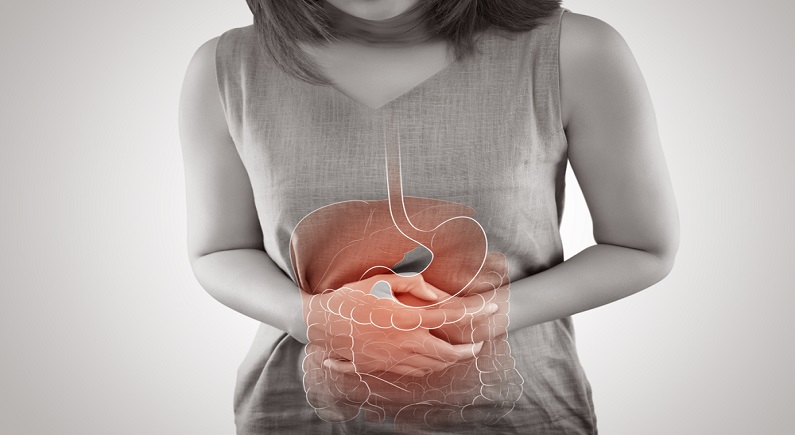
More than 6.8 million people worldwide are estimated to be living with inflammatory bowel disease (IBD). IBD is believed to be the result of a malfunctioning immune system, which results in an inappropriate immune response that attacks the lining of the intestines.
There is no cure and no exact cause, though researchers continue to look at how genes, the microbiome, and environmental factors play a role in this chronic disease.
IBD is a broad term for chronic inflammation of your digestive tract. Two types are Crohn’s disease and ulcerative colitis.
Ulcerative colitis really tends to only involve the colon and be more of a superficial type of inflammation; whereas Crohn’s disease can impact anything in the intestine, essentially, from the mouth all the way down to the anus.
Diet alone does not cause IBD. While some foods may reduce symptoms, there is no one proven diet to control inflammation.
The right diet is probably different for each individual, based on the type of IBD that they have, the location of their disease, and whether they’ve had surgeries or other complications.
Focus on fresh fruits and vegetables, and whole grains. Avoid ultra-processed foods, added sugars, and animal fats. And drink plenty of fluid to stay hydrated.
Unfortunately, diet alone does not replace medical treatment. There are effective treatment options, so it is important to work with your physician.
The tenant of therapy we have is immune-suppressing-type therapies that try to target that inappropriate response to the intestines and then calm down that inflammation within the gut. To know more, talk to our experts:
https://www.onphospitals.com/internal-medicine/
FAQs
1. Who is the best Physician in Shivajinagar Pune?
A skilled Physician in Shivajinagar Pune diagnoses and manages a wide range of adult health conditions while emphasizing preventive care and long-term wellness. ONP Hospitals offers experienced physicians supported by advanced diagnostics and multidisciplinary care.
2. What conditions does a physician treat?
A physician commonly treats:
- Fever and viral infections
- Diabetes
- High blood pressure (Hypertension)
- Thyroid disorders
- Respiratory infections
- Asthma
- Digestive disorders
- High cholesterol
- Seasonal illnesses
- General health concerns
3. When should I consult a physician?
You should consult a physician if you experience:
- Persistent fever
- Fatigue or weakness
- Unexplained weight loss
- Chest discomfort
- High blood pressure
- Uncontrolled blood sugar
- Frequent infections
- Chronic cough
- Digestive problems
- General health concerns
4. Does ONP Hospitals provide preventive health check-ups?
Yes. ONP Hospitals offers preventive health check-ups, routine screenings, and wellness assessments to help detect medical conditions early and promote better long-term health.
5. Can a physician help manage chronic diseases?
Yes. Physicians specialize in managing chronic conditions such as diabetes, hypertension, thyroid disorders, high cholesterol, asthma, and other long-term illnesses through regular monitoring, medications, and lifestyle guidance.
6. What tests may a physician recommend?
Depending on your symptoms, your physician may recommend:
- Blood tests
- Urine analysis
- ECG
- Chest X-ray
- Ultrasound
- Thyroid profile
- Diabetes screening
- Liver and kidney function tests
7. Do I need to see a physician for a routine health check-up?
Yes. Regular visits to a physician help monitor your overall health, identify risk factors early, and prevent serious illnesses through timely intervention and lifestyle recommendations.
8. Can a physician treat infections and seasonal illnesses?
Yes. Physicians diagnose and treat viral infections, bacterial infections, influenza, dengue, malaria, respiratory infections, urinary tract infections, and other common illnesses with appropriate medical care.
9. Why choose ONP Hospitals for physician consultation in Shivajinagar?
Patients choose ONP Hospitals because of:
- Experienced internal medicine specialists
- Advanced diagnostic facilities
- Personalized treatment plans
- Preventive healthcare services
- Comprehensive chronic disease management
- Multidisciplinary medical support
- Patient-centered care
- Convenient location in Shivajinagar
10. How can I book an appointment with a Physician in Shivajinagar Pune?
You can book an appointment with a physician at ONP Hospitals through the hospital’s appointment desk or the official website to receive timely consultation and expert medical care.